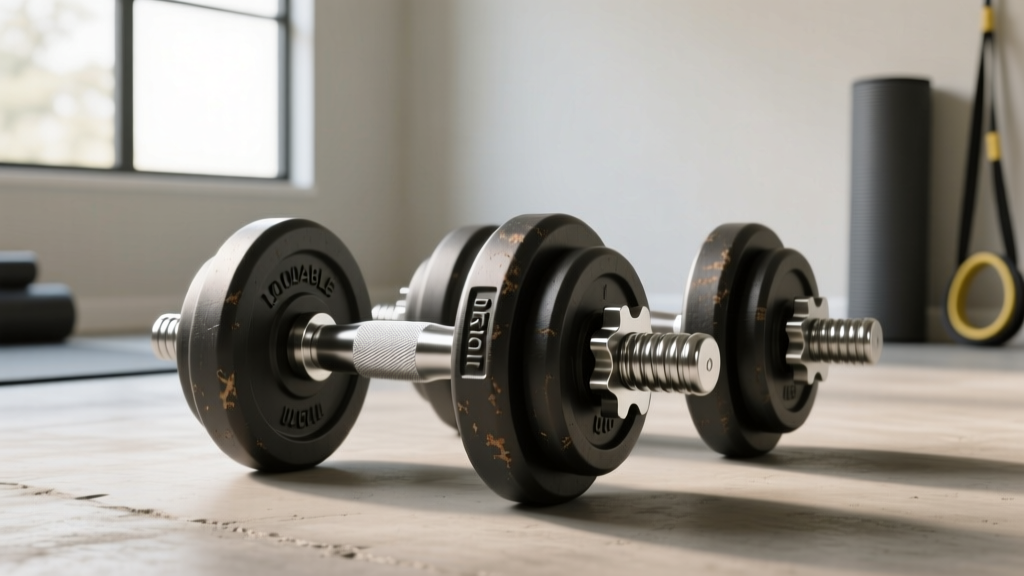
How to Maintain Loadable Dumbbells for Farmer Carries
Learn how to maintain loadable dumbbells for farmer carries. Expert tips on knurling care, sleeve lubrication, and extending the life of your gear.

The Hidden Toll of Farmer's Carries on Loadable Handles
In the modern strength and conditioning landscape, the farmer's walk remains one of the most brutally effective full-body exercises. While fixed-weight dumbbells cap out at specific increments, a loadable dumbbell with interchangeable plates offers unmatched scalability for progressive overload. However, using plate-loaded handles for dynamic carries introduces unique mechanical stresses that can rapidly degrade your equipment if left unmaintained.
Unlike a controlled dumbbell press or a static hold, farmer carries subject the dumbbell shaft, sleeves, and bushings to continuous lateral sway, centrifugal spinning, and micro-impacts against the thighs. When you combine these physical forces with the highly corrosive nature of human sweat, the longevity of your gear is severely compromised. This comprehensive maintenance guide will show you exactly how to care for your loadable dumbbells to ensure they survive years of heavy carries.
Data Highlight: The Sweat Corrosion Factor
Human sweat has a pH ranging from 4.5 to 7.0, making it mildly acidic. When this acidic moisture settles into the deep valleys of a knurled steel shaft, it initiates galvanic corrosion. According to equipment maintenance guidelines from Rogue Fitness, untreated bare steel or poorly maintained zinc-coated handles can develop surface rust within 48 hours of heavy, sweaty use. Regular neutralization and oiling are non-negotiable for longevity.
Anatomy of a Loadable Dumbbell: Failure Points
Before diving into the maintenance routine, it is critical to understand where loadable dumbbells fail when subjected to the rigors of farmer's carries.
- The Knurling: Accumulates dead skin, chalk, and moisture, leading to oxidation and a loss of grip aggressiveness.
- The Sleeves and Bushings: Interchangeable plates slide onto the sleeves. During a carry, the plates shift, creating rotational friction. If the internal bronze bushings dry out, the sleeve will squeak, grind, and eventually seize.
- The Threads and Collars: The threaded ends that secure the spin-lock or clamp collars are highly susceptible to cross-threading and corrosion, especially when users forcefully slam collars on after a heavy set.
Step-by-Step Maintenance Protocol
To keep your loadable dumbbells spinning smoothly and gripping securely, implement this three-step maintenance routine every 4 to 6 weeks, depending on your training volume and environment.
Step 1: Deep Cleaning the Knurling
Never use wire brushes on your dumbbell shafts; they will strip the zinc or Cerakote finish and accelerate rust. Instead, use a stiff nylon brush.
- Spray the shaft lightly with a 50/50 mix of water and isopropyl alcohol.
- Scrub vigorously with the nylon brush in a circular motion to lift chalk and skin cells from the knurl valleys.
- Wipe completely dry with a microfiber cloth.
- Apply 3 to 4 drops of dedicated barbell oil (or a light 10W-30 synthetic motor oil) to the shaft and brush it evenly into the knurling. Wipe off any excess to prevent a slippery grip.
Step 2: Sleeve and Bushing Lubrication
The rotational force of heavy plates swinging during a farmer's carry demands proper lubrication. Standard WD-40 is a solvent, not a lubricant, and will actually strip existing grease from your bushings.
- Remove all interchangeable plates and collars.
- Using a small flathead screwdriver, carefully pry off the outer snap ring (if your model uses an external snap ring design, like the Titan Fitness Olympic handles).
- Slide the sleeve off the shaft to expose the bronze bushings and the internal shaft surface.
- Wipe away old, blackened grease with a paper towel.
- Apply a generous coat of white lithium grease to the shaft where the bushing makes contact. White lithium grease adheres well to metal and withstands the high-pressure friction of heavy carries.
- Reassemble the sleeve, re-seat the snap ring, and spin the sleeve to distribute the grease evenly.
Expert Tip: If your loadable dumbbells use an internal retaining pin or a sealed end-cap rather than a snap ring (common in higher-end models like the Rogue Loadable Dumbbell Handles), do not attempt to disassemble the sleeve. Instead, use a needle-nose oiler to apply a few drops of 3-in-One oil directly into the seam where the sleeve meets the shaft, spinning the sleeve to work the oil inward.
Step 3: Thread and Collar Care
Stripped threads render a loadable dumbbell useless and dangerous. To protect the threading from corrosion and cross-threading:
- Wipe the threads with a dry cloth after every workout to remove sweat and chalk dust.
- Once a month, apply a tiny dab of copper anti-seize compound to the threads. This prevents the metal collar from fusing to the shaft due to oxidation and ensures smooth locking every time.
2026 Loadable Dumbbell Handle Comparison
Not all loadable dumbbells are built to withstand the lateral abuse of heavy farmer's carries. Below is a comparison of the top plate-loaded handles on the market, highlighting their specific maintenance needs.
| Brand & Model | Approx. Price (Pair) | Sleeve Length | Bushing/Bearing | Maintenance Quirk |
|---|---|---|---|---|
| Rogue Loadable Dumbbell Handles | $195.00 | 6.25 inches | Composite Bushings | Sealed ends; requires needle-oiler for sleeve lube. |
| Titan Fitness Olympic Handles | $89.99 | 7.0 inches | Bronze Bushings | External snap rings; easy full disassembly for deep cleaning. |
| Yes4All 20-Inch Olympic Handle | $55.00 | 7.5 inches | Steel Bushings | Prone to rapid oxidation; requires strict weekly oiling. |
For athletes exclusively focused on heavy farmer's carries, the Rogue Loadable Dumbbell Handles offer the best shaft rigidity and knurling durability, justifying the premium price tag. However, budget-conscious lifters can extend the life of the Titan or Yes4All models significantly by adhering strictly to the snap-ring disassembly and white lithium grease protocol outlined above.
Troubleshooting Common Loadable Dumbbell Issues
Even with diligent care, heavy implements experience wear. Here is how to diagnose and fix the most common failure modes associated with plate-loaded farmer's carries.
Issue 1: Squeaking or Grinding Sleeves
Cause: The bushing has run dry, or fine iron-oxide dust (rust) has mixed with the grease, creating an abrasive paste.
Fix: Do not just add more oil. You must fully disassemble the sleeve, wipe out the blackened grease with a solvent like mineral spirits, dry it completely, and repack with fresh white lithium grease. As noted in comprehensive equipment care guides by Garage Gym Review, masking a grind with thin oil will only lead to permanent scoring of the steel shaft.
Issue 2: Collars Sticking or Refusing to Thread
Cause: Chalk dust has mixed with sweat to form a cement-like residue in the threads, or the collar has been cross-threaded during a rushed plate change.
Fix: Soak the threaded end of the shaft in a cup of white vinegar for 30 minutes to dissolve the calcium carbonate from the chalk and sweat. Scrub with a brass thread brush. If the threads are physically damaged from cross-threading, use a M20x2.5 thread file (standard for most Olympic dumbbell handles) to gently reshape the damaged grooves.
Issue 3: Excessive Lateral Sleeve Play (Wobble)
Cause: Bushing wear. When you load 100+ lbs of interchangeable plates onto a handle and walk, the lateral sway acts like a lever against the internal bushings, slowly widening the tolerance.
Fix: If the sleeve wobbles more than 2 millimeters, the bushings are compromised. For models with external snap rings, you can order replacement bronze bushings from the manufacturer or a hardware supplier for under $15 and press them in yourself. If your handles use molded composite bushings that cannot be replaced, it is time to retire the handles from heavy dynamic carries and relegate them to static floor presses.
Final Thoughts on Gear Longevity
A high-quality loadable dumbbell is a lifelong investment, but only if you respect the physics of the exercises you perform with it. Farmer carries dumbbells through a chaotic environment of sweat, friction, and impact. By dedicating 15 minutes a month to deep-cleaning the knurling, repacking the sleeve bushings with the correct grease, and protecting the threads with anti-seize, you will ensure your interchangeable plates slide on smoothly and your grip remains secure for years to come. Treat your gear with the same discipline you apply to your training, and it will never fail you when the weight gets heavy.
More gear to consider
All reviews
EZ Curl Bar vs Straight Bar: Budget Value & Dumbbell Lat Exercises
Single Leg Romanian Deadlift One Dumbbell: Adjustable Comparison

Olympic vs Standard Plates: Pairing With a Dumbbell Spotter Stand
Olympic vs Standard Plates: Sizing Your Dumbbell Preacher Curl Bench

Dumbbell Squats vs Barbell: 2026 Adjustable Dumbbell Review
