Olympic vs Standard Plates: Sizing Your Dumbbell Preacher Curl Bench
Discover the key differences between Olympic and standard weight plates, and learn which type perfectly complements your dumbbell preacher curl bench setup.

The Home Gym Dilemma: Sizing Up Your Weight Plates
Welcome to the most critical phase of building your home gym. You have already done the hard work of selecting a sturdy, well-padded dumbbell preacher curl bench to isolate your biceps and eliminate cheating on your curls. Now, you need to buy the weight plates to load onto your adjustable dumbbell handles. This is where most beginners hit a wall: Do I buy Standard (1-inch hole) or Olympic (2-inch hole) weight plates?
While the choice might seem like a simple matter of measuring a hole, the decision drastically affects your lifting biomechanics, your equipment longevity, and how effectively you can use your isolation benches. In this step-by-step guide, we will break down the exact specifications of Olympic versus standard plates, and reveal why your dumbbell preacher curl bench setup should heavily influence your final purchase.
Step 1: Understand the Core Specifications
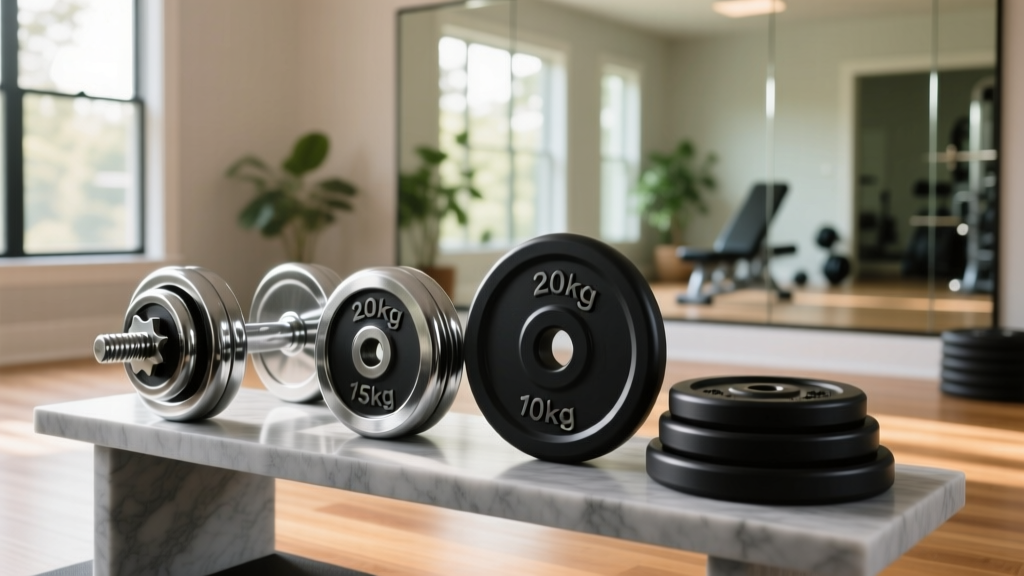
Before we dive into biomechanics, we must establish the physical differences between the two plate types. According to the historical standardization of weight plates, the divergence in sizing originated from the need for heavy-duty barbells in competitive weightlifting versus lighter, accessible home-gym equipment.
| Feature | Standard Plates | Olympic Plates |
|---|---|---|
| Center Hole Diameter | 1 inch (25.4 mm) | 2 inches (50.8 mm) |
| Handle Compatibility | 1-inch threaded or smooth spinlock handles | 2-inch Olympic dumbbell handles or barbells |
| Weight Capacity | Lower (Handles bend past 50-80 lbs) | Extremely High (500+ lbs on quality steel) |
| Average Cost (2026) | $1.20 - $1.80 per lb | $2.00 - $4.50+ per lb |
Step 2: The Preacher Curl Biomechanics Connection
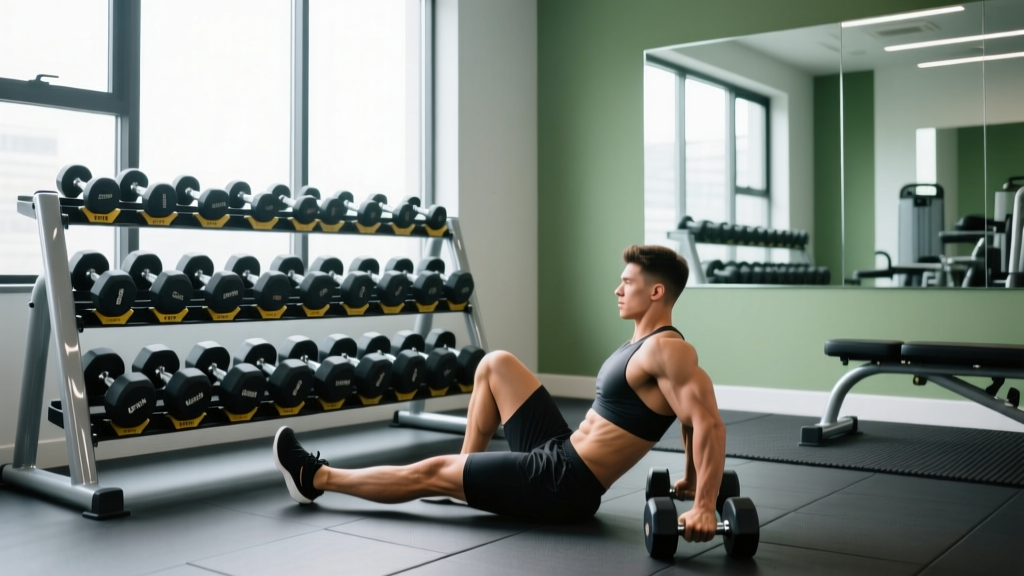
Why does your dumbbell preacher curl bench dictate your plate choice? The answer lies in the handle diameter required to use those plates, and how that handle diameter impacts your wrist and elbow joints during isolation movements.
If you purchase Olympic weight plates, you must use Olympic loadable dumbbell handles. Olympic dumbbell handles feature a 2-inch (50mm) grip diameter to accommodate the thick 2-inch sleeves. While this is excellent for heavy compound movements like farmer's walks or shrugs, it is a biomechanical nightmare for strict isolation work on a preacher bench.
The Grip Thickness Problem
When you sit at a dumbbell preacher curl bench, your armpits are braced against the pad, and your elbows are locked into a fixed track. The goal is pure elbow flexion targeting the biceps brachii and brachialis. As detailed in ExRx.net's biomechanics database for DB Preacher Curls, maintaining a supinated (palms-up) wrist position is crucial for peak bicep contraction.
- Standard 1-Inch Handles: Allow your fingers to wrap fully around the grip, enabling natural wrist supination and keeping the tension isolated on the biceps.
- Olympic 2-Inch Handles: Force your hand into an open, extended position. This shifts the mechanical load away from the biceps and heavily onto the brachioradialis (forearm) and grip stabilizers. Your forearms will fail before your biceps do, entirely defeating the purpose of the preacher bench.
Furthermore, Olympic dumbbell handles have incredibly thick sleeves and heavy steel collars. This limits the physical space available to slide plates on, meaning you might not even be able to fit enough 2-inch plates on the handle to reach your target weight for high-rep hypertrophy work.
Step 3: Your Step-by-Step Buying Decision Framework
Use this practical framework to finalize your equipment order for 2026.
Scenario A: The Isolation & Hypertrophy Focus
If your primary goal is bodybuilding, arm specialization, and utilizing your dumbbell preacher curl bench for strict, joint-friendly isolation work, buy Standard (1-inch) cast iron plates and high-quality 14-inch chrome spinlock dumbbell handles. The 1-inch grip diameter will preserve your wrist mechanics, and the slim sleeves allow you to load up to 40-50 lbs per hand comfortably.
Scenario B: The Heavy Compound Lifter
If you are primarily focused on powerlifting, heavy barbell squats, deadlifts, and bench presses, you must buy Olympic plates. The 2-inch center hole is the universal standard for all commercial and high-end home gym barbells and power racks. In this scenario, do not use loadable dumbbell handles for your preacher curls; instead, invest in a pair of fixed-weight hex dumbbells (e.g., 25 lb and 35 lb pairs) specifically for your bench work.
Step 4: Material and Coating Considerations
Once you have selected your sizing standard, you must choose the plate material. The fitness equipment market in 2026 offers several distinct options:
- Raw Cast Iron: The most cost-effective option. Standard 1-inch cast iron plates are abundant and cheap. However, they can rust if kept in a humid garage gym and will chip your flooring if dropped.
- Rubber-Coated: A step up in durability and noise reduction. Be cautious of cheap rubber that off-gases a strong chemical odor. Look for virgin rubber formulations.
- Urethane: The premium choice for both Standard and Olympic plates. Urethane is virtually odorless, highly resistant to scratching and UV degradation, and maintains a pristine look for decades. Expect to pay a 40% premium over raw iron.
- Crumb Bumper Plates (Olympic Only): Made from recycled rubber, these are thick and designed for dropping from overhead. They are entirely useless for dumbbell work and should only be purchased if you have an Olympic barbell and a lifting platform.
Common Beginner Mistakes to Avoid
As you finalize your home gym setup, steer clear of these frequent purchasing errors:
- Buying "Universal" Plates: Some brands sell plates with a 1-inch hole surrounded by a removable 2-inch plastic adapter ring. These are a frustrating gimmick. The adapters crack, the plates rattle, and they never sit flush on an Olympic sleeve. Buy dedicated plates for your chosen system.
- Ignoring Sleeve Length: If you buy thick rubber-coated standard plates, you will fit fewer plates on your dumbbell handle compared to thin cast iron plates. Always check the "loadable sleeve length" of your dumbbell handles before buying bulky coated plates.
- Mismatching Storage Racks: Standard weight trees and Olympic weight trees are not interchangeable. Ensure the storage rack you order matches the 1-inch or 2-inch pegs required by your new plates.
Final Verdict: Building a Cohesive Gym
Ultimately, the choice between Olympic and standard weight plates is not just about the plates themselves—it is about the entire ecosystem of handles, bars, and benches you intend to use. For dedicated arm work on a dumbbell preacher curl bench, the superior ergonomics of a 1-inch standard handle make standard cast iron or urethane plates the undisputed champion of isolation training. However, if your gym is centered around a power rack and a 7-foot barbell, Olympic plates are a mandatory investment.
By understanding the biomechanical realities of grip thickness and the physical limitations of sleeve lengths, you can build a home gym that is safe, effective, and perfectly tailored to your 2026 fitness goals. Measure twice, buy once, and enjoy the pump.
"The best equipment doesn't just add resistance; it respects the natural mechanics of the human body. Never let a 2-inch steel handle compromise a movement designed for strict 1-inch isolation." — FitGearPulse Editorial Team
More gear to consider
All reviews
Olympic Barbell Knurling Setup & Jump Squats with Dumbbells Guide

Bumper vs Iron Plate Care & Lunges Exercise with Dumbbells Tips
Best Adjustable Dumbbells for a Fast Dumbbell Workout (2026)
Power Rack vs Squat Stand for Benching with Dumbbells

EZ Bar vs Straight Bar Care & Dumbbell Plie Squats Gear Longevity