EZ Curl Bar vs Straight Bar: Budget Value & Dumbbell Lat Exercises
Compare the EZ curl bar vs straight bar for home gym budgets. Discover cost-per-exercise value, wrist biomechanics, and dumbbell lat exercises alternatives.

The 2026 Home Gym Economy: Specialized Bars vs. Versatile Free Weights
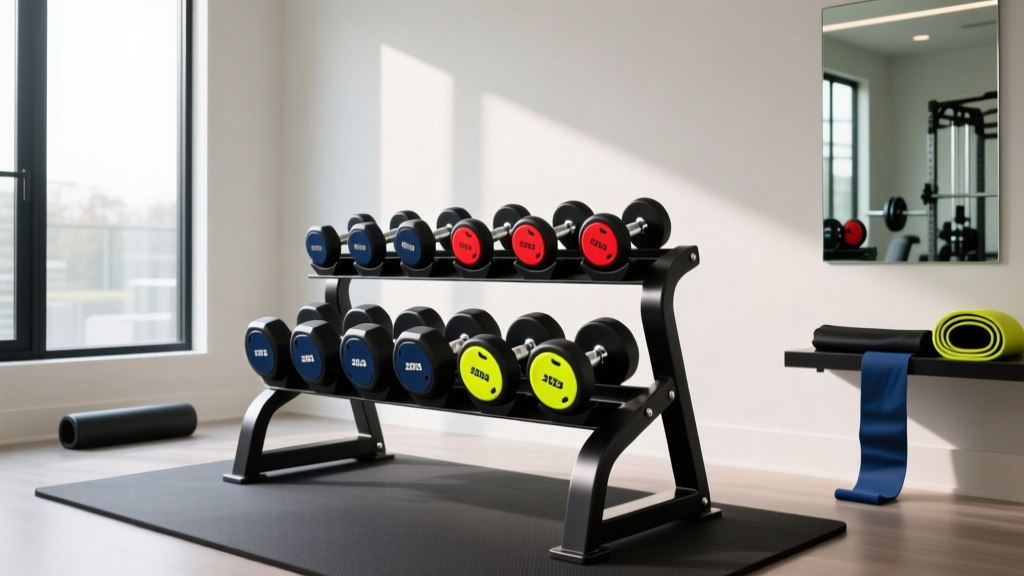
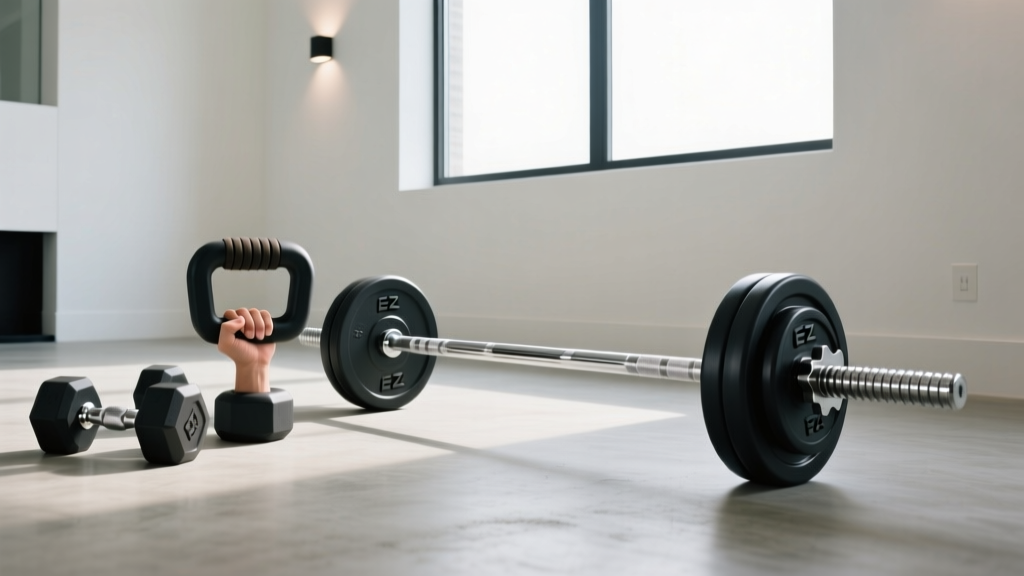
When outfitting a home gym on a strict budget, lifters often fixate on arm isolation, sparking the endless EZ curl bar vs straight bar comparison. However, a true value analysis in 2026 requires looking beyond the biceps. With inflation impacting fitness equipment manufacturing and shipping, every dollar spent on steel must justify its footprint and utility. While a straight barbell allows for heavy barbell rows, an EZ curl bar is largely relegated to arm work. To maximize a limited budget, many modern home gym owners are pivoting to adjustable dumbbells, which not only replicate the ergonomic grip of an EZ bar for curls but also unlock a massive library of dumbbell lat exercises that a dedicated curl bar simply cannot perform.
This guide breaks down the exact costs, biomechanical trade-offs, and long-term ROI of straight bars, EZ curl bars, and adjustable dumbbells to help you make the most financially sound decision for your training.
The Hardware Breakdown: Straight Bar vs. EZ Curl Bar
To understand the budget implications, we must compare apples to apples. The market is generally split into Standard (1-inch diameter) and Olympic (2-inch diameter) setups. Here is how the pricing and material quality stack up for entry-level and premium tiers in 2026.
| Equipment Type | Model / Tier Example | Avg. Price (2026) | Tensile Strength | Primary Utility |
|---|---|---|---|---|
| Standard 5' Straight Bar | CAP Barbell OB-5 | $35.00 | ~35,000 PSI | Curls, Rows, Presses |
| Standard EZ Curl Bar | CAP Barbell OB-47 | $28.00 | ~35,000 PSI | Biceps, Triceps |
| Olympic Straight Bar | Rogue 29mm Ohio Bar | $295.00 | 190,000 PSI | Heavy Compounds, Rows |
| Olympic EZ Curl Bar | Rogue Curl Bar | $245.00 | 190,000 PSI | Heavy Arm Isolation |
The Hidden Cost of Plates
The bar is only the entry fee. A standard straight bar requires standard plates (roughly $1.20/lb), while an Olympic setup demands 2-inch bumper or iron plates (averaging $1.50 to $2.00/lb). If your budget is under $150, the Standard 5-foot straight bar offers vastly superior full-body utility compared to the EZ bar, as it can be used for floor presses, barbell rows, and Romanian deadlifts.
Biomechanical Value: Wrist Health vs. Load Capacity
From a physiological standpoint, the value of an EZ curl bar lies in joint preservation. A straight barbell forces your wrists into 100% supination (palms facing completely up). According to the National Strength and Conditioning Association (NSCA), maintaining full supination under heavy loads places significant valgus stress on the medial elbow and wrist joints, often leading to medial epicondylitis (golfer's elbow) over time.
Expert Insight: The angled grips of an EZ bar allow for a semi-supinated grip (roughly 45 degrees). This shifts a portion of the load from the biceps brachii to the brachialis and brachioradialis, reducing wrist strain while allowing for heavier overload than dumbbells.
For a detailed biomechanical breakdown of how grip angle alters muscle recruitment, refer to the ExRx guide on EZ bar curl mechanics. If you have a history of wrist pain, the $28 investment in a standard EZ bar yields a massive "injury prevention ROI," keeping you in the gym and out of physical therapy.
The Versatility Pivot: Factoring in Dumbbell Lat Exercises
Here is where the traditional barbell debate falls short for budget-conscious lifters. A straight bar allows for barbell bent-over rows, but an EZ curl bar is virtually useless for heavy back training due to its limited length and awkward grip angles for pulling. If you buy an EZ curl bar, you still need a dedicated back solution.
This is where adjustable dumbbells (like the Nuobell 80lb or Bowflex 552, priced between $300 and $400 per pair) completely disrupt the budget calculus. Adjustable dumbbells allow you to perform neutral-grip hammer curls, which perfectly mimic the wrist-relieving benefits of an EZ bar. More importantly, they unlock a vast array of dumbbell lat exercises that bars cannot replicate effectively.
Top Budget-Friendly Dumbbell Lat Exercises
- Single-Arm Dumbbell Rows: Allows for a greater range of motion and unilateral core engagement. See the ExRx breakdown of the DB bent-over row for proper spinal alignment.
- Dumbbell Pullovers: An exceptional movement for targeting the lats in their stretched position, requiring only a single dumbbell and a bench (or floor).
- Renegade Rows: Combines a plank hold with a pulling motion, maximizing caloric expenditure and core stability—ideal for small home gyms.
- Chest-Supported Incline Rows: Eliminates lower-back momentum, ensuring strict lat isolation without the need for a $400 cable machine.
Cost-Per-Exercise ROI Matrix
Standard Straight Bar ($35): High ROI. Covers biceps, triceps, back (rows), legs (RDLs), and chest (floor press).
Standard EZ Curl Bar ($28): Low ROI. Covers biceps and triceps almost exclusively. Cost-per-exercise is high.
Adjustable Dumbbells ($350): Ultimate ROI. Covers every muscle group, replaces both bars, and enables unilateral dumbbell lat exercises and ergonomic curls.
Real-World Budget Scenarios for 2026 Home Gyms
How should you allocate your funds based on your specific financial constraints and training goals?
Scenario A: The $100 Arm-Focused Starter
The Budget: $100 total.
The Strategy: Buy the CAP Barbell 5-foot Standard Straight Bar ($35) and 60 lbs of standard cast-iron plates ($65).
The Verdict: Skip the EZ bar at this tier. The straight bar gives you the versatility to train your back and legs while still allowing for bicep curls. If your wrists hurt, simply use a false (thumbless) grip or switch to neutral-grip towel curls to mitigate joint stress without buying specialized steel.
Scenario B: The $450 Functional Minimalist
The Budget: $450 total.
The Strategy: Invest entirely in a pair of 5-50 lb adjustable dumbbells (e.g., Bowflex 552 on sale, or entry-level Nuobells, ~$350-$400) and a basic adjustable bench ($50).
The Verdict: This is the gold standard for budget value. You completely bypass the EZ vs. straight bar debate. You get the wrist-friendly neutral grip for arm isolation, and you gain access to heavy, unilateral dumbbell lat exercises that build a wider, thicker back. The footprint is less than 4 square feet, making it perfect for apartments.
Scenario C: The $600+ Serious Powerbuilder
The Budget: $600+ total.
The Strategy: Rogue 29mm Ohio Bar ($295) + Rogue Curl Bar ($245) + 100 lbs of Olympic plates ($150).
The Verdict: If you have the budget and the space, buying both Olympic bars is the ultimate setup. The straight bar handles heavy barbell rows and deadlifts, while the high-quality knurling on the Rogue Curl bar allows for heavy, joint-friendly arm days. However, you will still eventually need to buy dumbbells to fix unilateral imbalances in your lats and arms.
Final Verdict: Maximizing Your Equipment ROI
The EZ curl bar vs straight bar comparison ultimately comes down to your budget and your willingness to compromise on versatility. If you are strictly limited to under $50, the straight bar wins the value analysis by a landslide due to its multi-joint utility. The EZ curl bar is a luxury item that should only be purchased if you already own a primary straight bar or a set of dumbbells to handle your back training.
However, if you are looking at the broader picture of home gym economics in 2026, adjustable dumbbells represent the true budget champion. By providing ergonomic grip options for arm work and enabling a full spectrum of dumbbell lat exercises, they offer a cost-per-exercise ratio that no specialized barbell can match. Invest in versatility first, and add specialized bars only when your strength outgrows the adjustable mechanisms.
More gear to consider
All reviews
Home Gym Setup: Full Arm Exercises With Dumbbells Using Neoprene

Best Loadable Dumbbells 2026 & Seated Shoulder Press GIF Form Guide

Cast Iron vs Competition Kettlebells & Dumbbell Rear Lat Raise Swaps

Best Adjustable Dumbbells for the Dumbbell One Arm Swing (2026)

Bumper vs Iron Plates: Care & Standing Ab Exercises with Dumbbells