Preserving Loadable Dumbbell Grips: Maintenance and Longevity Tips
Learn how to clean, protect, and maintain your loadable dumbbell grips and sleeves. Expert tips to prevent rust, preserve knurling, and extend lifespan.

The Hidden Wear and Tear on Loadable Dumbbells
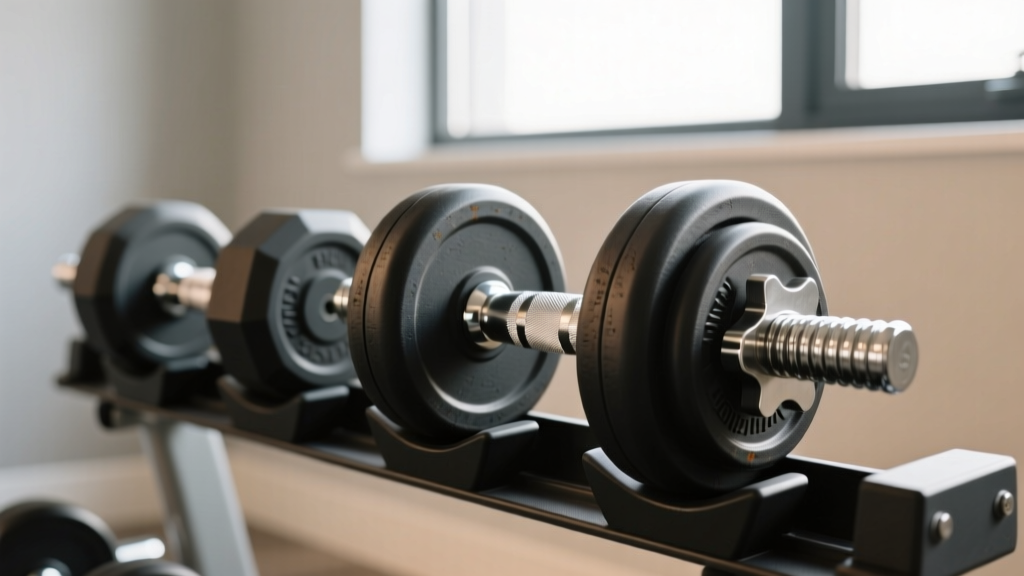
Loadable dumbbells with interchangeable plates are the undisputed champions of space efficiency in home and garage gyms. Instead of purchasing a $2,500 rack of fixed urethane dumbbells, lifters can invest in a pair of high-quality loadable handles—such as the Rogue Loadable Dumbbell Handle (retailing around $125 per handle in 2026) or the Titan Fitness Olympic Dumbbell Handle (approximately $79.99)—and a set of bumper or steel plates. However, this modular design introduces unique maintenance challenges that fixed dumbbells simply do not face.
Unlike rubber-encased hex dumbbells, the exposed steel shafts, sleeves, and locking collars of loadable handles are constantly subjected to friction, sweat, chalk dust, and the mechanical shock of plate loading. Preserving your dumbbell grips (the knurled shaft) and the interchangeable sleeve mechanism is critical. If neglected, the knurling will pit and rust, the sleeves will gall, and the collars will slip, turning a premium piece of equipment into a hazardous liability.
⚠️ Critical Warning: Never use a stainless steel or brass wire brush on the knurling of your loadable dumbbells. While brass is softer than steel, it will still strip away protective coatings like Cerakote, black oxide, or hard chrome, accelerating galvanic corrosion and permanently ruining the tactile feel of the dumbbell grips.Anatomy of Wear: Grips, Sleeves, and Collars
To properly maintain a loadable dumbbell, you must understand the three distinct zones of wear:
- The Knurling (Dumbbell Grips): This is the textured steel shaft you hold. Human sweat has a pH ranging from 4.5 to 7.0 and contains high levels of sodium chloride (salt) and urea. When left in the microscopic valleys of the knurling, this saline solution initiates rapid surface oxidation (rust), particularly on carbon steel or black oxide handles.
- The Sleeves and Bushings: The outer cylinders where interchangeable plates slide on. These rotate independently of the shaft via internal bronze bushings or needle bearings. Plate dust and microscopic metal shavings can infiltrate the sleeve gap, causing grinding and rotational stalling.
- The Collar Mechanism: Whether you use traditional spin-lock nuts, clamp collars (like the Rogue DM-15), or specialized locking systems, the threads and set-screws are highly susceptible to chalk buildup and vibrational loosening during heavy drops.
Step-by-Step Cleaning Protocol for Dumbbell Grips
According to equipment maintenance guidelines detailed by BarBend's knurling care experts, consistent mechanical cleaning is the only way to preserve the aggressive "bite" of volcano or diamond-pattern knurling without damaging the steel. Follow this protocol weekly, or immediately after heavy, high-sweat sessions.
Step 1: Dry Brushing (Chalk and Skin Removal)
Use a stiff nylon bristle brush (a standard nail brush or a dedicated gym equipment brush works perfectly). Scrub the dumbbell grips dry to dislodge packed magnesium carbonate (chalk) and dead skin cells. Chalk acts as a desiccant, but when mixed with sweat, it forms a mildly acidic paste that eats into the steel valleys.
Step 2: Solvent Application and Agitation
Apply a light coating of a dedicated cleaning oil or solvent. Break-Free CLP (Clean, Lubricate, Protect) or 3-IN-ONE Multi-Purpose Oil are industry standards. Avoid WD-40, as it is primarily a solvent and water-displacer that leaves behind a gummy residue which attracts more dust and chalk. Let the oil sit on the knurling for 3 to 5 minutes to break down sebum and salts, then scrub vigorously again with the nylon brush.
Step 3: Microfiber Wipe-Down
Use a clean, dry microfiber towel to wipe away the suspended dirt and excess oil. The knurling should feel tacky and aggressive, not slick. If the grips feel slippery, you have left too much oil behind; wipe again with a dry towel.
Sleeve, Collar, and Interchangeable Plate Maintenance
The interchangeable nature of loadable dumbbells means the sleeves endure constant scraping from the inner hubs of cast-iron or bumper plates. Here is how to maintain the loading mechanism:
Sleeve Lubrication and Rust Prevention
If your plates are getting "stuck" on the dumbbell sleeves, you are likely dealing with surface oxidation or galling.
- Remove all plates and collars.
- For hard chrome or stainless steel sleeves, use ultra-fine #0000 steel wool lightly dampened with mineral oil to polish away surface rust without scratching the chrome.
- For black oxide sleeves, avoid steel wool entirely. Use a Scotch-Brite pad and a dedicated rust remover like Evapo-Rust, followed by a heavy coat of 3-IN-ONE oil to re-seal the porous oxide layer.
Collar and Thread Care
Spin-lock threads are notorious for cross-threading when chalk dust gets trapped in the grooves. Use a toothpick or a soft-bristled detailing brush to clean the threads weekly. For clamp-style collars, the internal polyurethane lining compresses over time. Check the hex set-screws on the collar housing every 30 days; the micro-vibrations from dropping the dumbbells during floor presses or farmer's walks will slowly back these screws out, leading to dangerous plate slippage.
Comprehensive Maintenance Schedule & Product Matrix
Implementing a structured maintenance matrix ensures your loadable dumbbells survive decades of heavy use. Below is a 2026-tested maintenance framework for home and commercial garage gyms.
| Frequency | Component | Action Required | Recommended Product |
|---|---|---|---|
| Daily / Post-Workout | Dumbbell Grips & Sleeves | Wipe down sweat; dry brush chalk from knurling valleys. | Dry Nylon Brush, Microfiber Towel |
| Weekly | Knurling (Grips) | Deep clean with solvent/oil to remove sebum and salts. | Break-Free CLP or 3-IN-ONE Oil |
| Monthly | Collars & Threads | Clear thread debris; tighten clamp set-screws with hex key. | Detailing Brush, Metric Hex Key Set |
| Bi-Annually | Sleeves & Bushings | Polish sleeve oxidation; apply white lithium grease to inner bushing gaps. | #0000 Steel Wool, White Lithium Grease |
Troubleshooting Common Failure Modes
Even with diligent care, loadable dumbbells can develop specific issues. Here is how to diagnose and fix the most common problems reported by strength athletes:
1. Pitting and "Black Dust" on the Dumbbell Grips
The Cause: If you notice a black, gritty residue on your hands after gripping the shaft, your knurling is actively corroding. This is common on cheaper, uncoated carbon steel handles (like older Yes4All models) exposed to high humidity.
The Fix: You must halt the oxidation immediately. Submerge a rag in Evapo-Rust and wrap it around the shaft for 2-4 hours. Follow up with a nylon brush, neutralize with water, dry completely, and seal with a heavy coat of mineral oil. According to the National Strength and Conditioning Association (NSCA), addressing micro-corrosion early prevents structural degradation of the steel shaft.
2. Sleeve Rattle and Rotational Grinding
The Cause: Loadable dumbbells use internal snap-rings and bronze bushings to keep the sleeve attached to the central shaft while allowing it to spin. If grit bypasses the outer seal, it embeds in the bushing.
The Fix: Stand the dumbbell vertically. Apply a few drops of low-viscosity synthetic oil (like Super Lube Synthetic Oil) directly into the seam where the sleeve meets the shaft. Rotate the sleeve by hand for 60 seconds to work the oil in, then wipe away the black sludge that seeps out. Never use thick greases here, as they will trap abrasive metal particles.
3. Spin-Lock Collars Loosening Mid-Set
The Cause: The smooth outer surface of the spin-lock nut lacks sufficient friction, and the repeated impact of dropping the dumbbell shakes the nut loose along the threaded sleeve.
The Fix: Upgrade to specialized locking collars (such as the Rogue DM-15 Dumbbell Collars or Lock-Jawz). If you must use spin-locks, wrap a thin layer of athletic tape around the sleeve threads before screwing the nut on. The tape acts as a friction lock, preventing vibrational back-out without damaging the steel threads.
Environmental Controls for Longevity
The single greatest enemy of exposed dumbbell grips and interchangeable sleeves is ambient humidity. If your garage gym or basement facility exceeds 55% relative humidity, surface rust can begin forming on raw or black oxide steel within 48 hours.
"Equipment longevity is inextricably linked to facility climate control. Maintaining ambient humidity below 50% and ensuring adequate airflow around stored iron implements reduces oxidative degradation by over 80% compared to unventilated spaces."
Actionable Storage Tips:
- Never store loadable dumbbells fully assembled on the floor. Concrete slabs wick moisture and sweat directly into the bottom sleeve and collar. Always store them vertically on a dedicated dumbbell tree or horizontally on a rack elevated at least 12 inches off the ground.
- Use Silica Gel Desiccants. If you store your interchangeable plates and handles in a closed bin or cabinet, toss in 4-5 large rechargeable silica gel canisters to absorb trapped moisture.
- Separate Cast Iron from Bumpers. If you use cast-iron plates on your loadable handles, be aware that chipped cast iron bleeds rust dust onto the dumbbell sleeves. Wipe the inner hubs of your iron plates with a lightly oiled rag before sliding them onto the chrome or stainless sleeves.
Final Thoughts on Protecting Your Investment
Loadable dumbbells offer unparalleled versatility, allowing you to micro-load presses, perform heavy farmer's walks, and execute drop-sets without needing a commercial gym footprint. However, the exposed mechanical nature of the dumbbell grips, sleeves, and collars demands a proactive maintenance mindset. By investing 10 minutes a week into dry-brushing the knurling, oiling the shaft, and checking your collar set-screws, you will ensure your handles remain aggressive, safe, and mechanically flawless for a lifetime of lifting.
More gear to consider
All reviews
Dumbbell Power Snatch Gear: Bumper Plate vs Iron Plate
Bumper vs Iron Plates: Budgeting for Swing Dumbbell & Barbell Lifts

Olympic vs Standard Plates & Full Body Dumbbell Workout 15 Minutes
Power Rack / Squat Rack / Stand: Reverse Dumbbell Curl Muscles Worked
Power Rack vs Squat Stand: Setup for Single Dumbbell Deadlifts
