Double Dumbbell Front Squat: Loadable Dumbbell Care & Maintenance
Learn how to maintain loadable dumbbells with interchangeable plates to withstand the heavy torque and chalk buildup of the double dumbbell front squat.

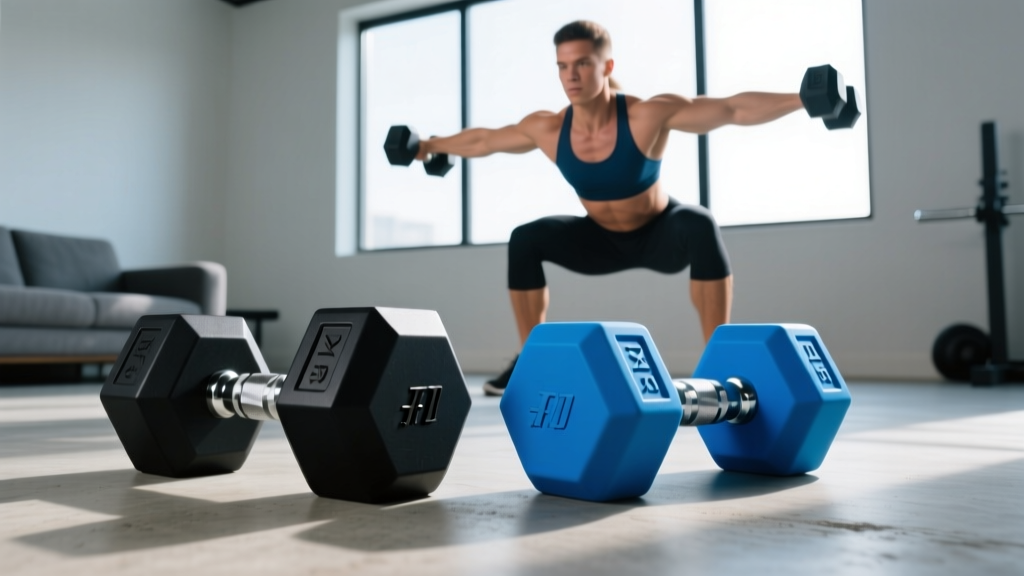
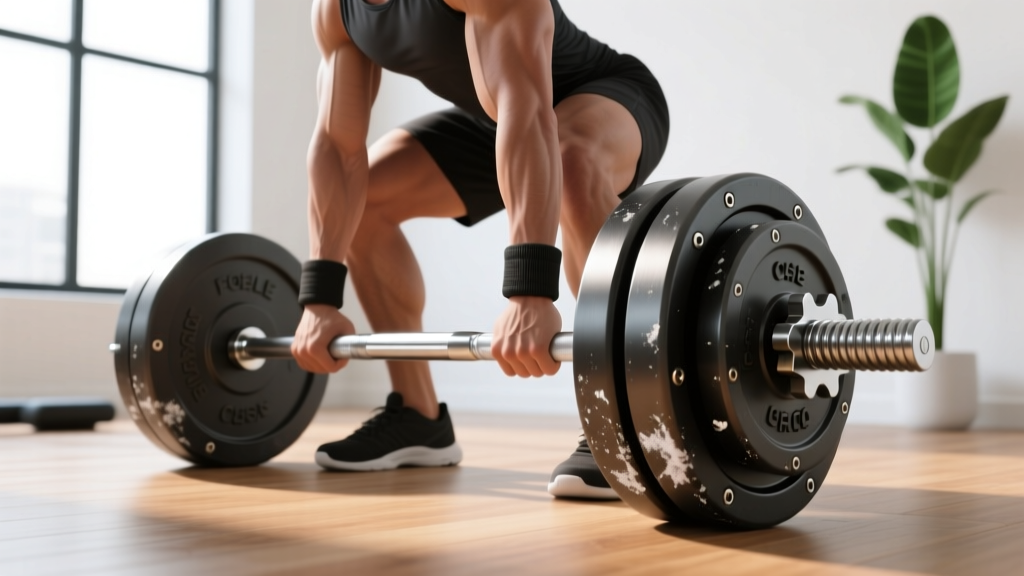
The double dumbbell front squat is a brutal, highly effective movement for building quad mass, improving thoracic mobility, and developing anterior core strength without the severe axial spinal loading of a barbell back squat. However, when you clean two heavily loaded dumbbells into the front rack position, your equipment takes a massive, localized beating. Unlike barbells, which distribute weight evenly across a rotating steel shaft, loadable dumbbells with interchangeable plates concentrate immense sheer force, sweat, and chalk directly into the handle knurling, sleeve threads, and locking collars.
As of 2026, manufacturing tolerances on premium loadable dumbbells—such as the Ironmaster Quick-Lock series or Rogue’s plate-loaded models—are tighter than ever. While this eliminates the notorious "rattle" of older generations, it also means that microscopic debris can easily cause cross-threading or collar seizure. If you are regularly performing double dumbbell front squats with 60 to 120+ lbs per hand, a rigorous maintenance protocol is not optional; it is essential for safety and equipment longevity.
The Biomechanical Toll of the Front Rack Position
To understand why loadable dumbbells fail, we must examine the biomechanics of the front rack. When holding a heavy dumbbell in the front squat position, your wrist is in deep extension, and your fingers are crushing the handle to prevent the dumbbell from rolling backward off your deltoid. This "death grip" drives dead skin, sebum (skin oils), sweat, and magnesium carbonate chalk deep into the knurling and the collar threads.
Furthermore, the clean-and-press motion required to get heavy loadable dumbbells into the front rack introduces sudden kinetic shock. If you are using traditional spin-lock dumbbells, this shock can cause the collar nuts to loosen incrementally over a 10-rep set. A loose collar on a 90 lb dumbbell shifts the center of mass, placing asymmetric torque on the handle sleeve and dramatically increasing the risk of a catastrophic plate slide during the squat's eccentric phase.
Loadable Dumbbell Failure Modes & Prevention Matrix
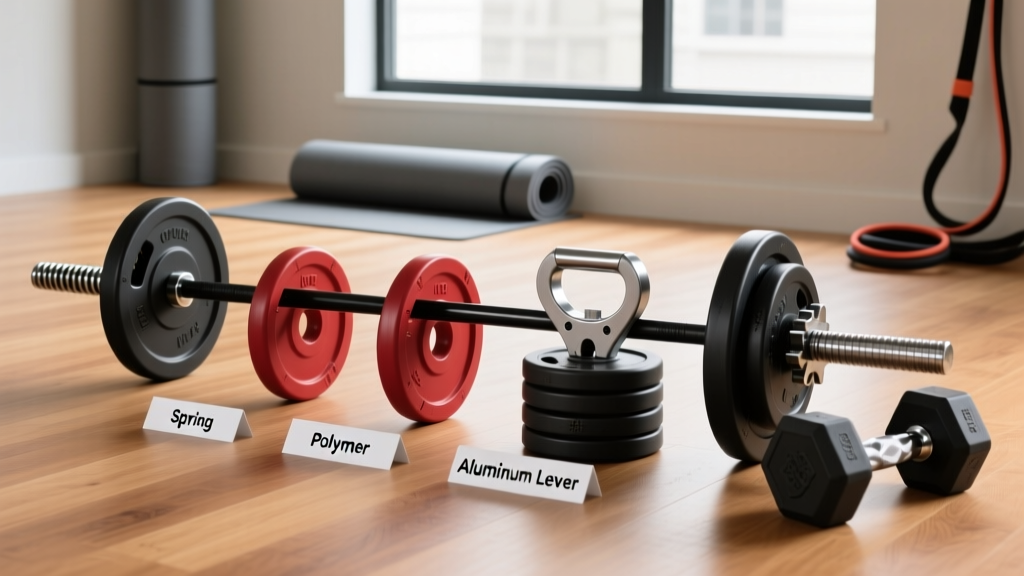
Different interchangeable plate systems suffer from unique failure modes when subjected to the rigors of heavy bilateral front squats. Below is a diagnostic matrix to help you identify and prevent hardware degradation.
| Dumbbell Type | Locking Mechanism | Common Front-Squat Failure Mode | Preventative Maintenance Fix |
|---|---|---|---|
| Standard Spin-Lock (e.g., CAP, Yes4All) | Threaded Star Nut | Thread stripping and nut seizing due to chalk/sweat corrosion. | Weekly nylon brushing of threads; monthly PTFE dry lubricant application. |
| Quick-Lock (e.g., Ironmaster V2) | Threaded Screw Pin | Cross-threading from debris; pin O-ring degradation. | Wipe sleeve threads with a microfiber cloth before every single lock-in. |
| Lever-Lock (e.g., Troy VTX) | Cam Lever & Clamp | Cam tension loss; lever slipping under heavy squat torque. | Quarter-turn hex key tightening of the cam bolt; avoid chalk near the lever hinge. |
Step-by-Step Maintenance Protocol for Heavy Squatters
To keep your loadable dumbbells safe for heavy double front squats, implement this three-phase maintenance routine. According to equipment care guidelines from Garage Gym Reviews, regular maintenance of knurled steel and sleeve tolerances can extend the lifespan of your equipment by over a decade.
Phase 1: Knurling and Sleeve Extraction (Weekly)
The knurling on a loadable dumbbell handle acts like a cheese grater for your calluses, trapping organic matter that holds moisture against the steel. Even stainless steel shafts can suffer from surface oxidation if left caked in sweat.
- Brush: Use a stiff nylon brush (never a wire brush, which will strip zinc or black oxide finishes) to aggressively scrub the knurling and the un-knurled sleeve where the plates sit.
- Solvent: Spray a light mist of Simple Green or diluted dish soap onto the brush. Scrub until the chalk turns into a paste and lifts out of the diamond grooves.
- Dry: Immediately wipe down with a dry microfiber towel. Do not let the dumbbell air dry, as trapped moisture will flash-rust the interchangeable plate inner diameters.
Phase 2: Thread and Collar Lubrication (Monthly)
The threads on spin-lock and quick-lock dumbbells are highly susceptible to galvanic corrosion when exposed to the salt in human sweat. Replacing a stripped spin-lock collar nut costs between $8 and $14, while a replacement Quick-Lock screw assembly can run $25 to $35. Prevention is vastly cheaper.
- The Right Lubricant: Use a PTFE (Teflon) dry lubricant or a light 3-in-One machine oil. PTFE is ideal because it dries completely, leaving a slick, frictionless coating that does not attract dust or chalk.
- The Wrong Lubricant: Never use standard WD-40. WD-40 is a solvent and water displacer, not a long-term lubricant. It will strip away existing factory grease and leave a sticky residue that acts as a magnet for gym chalk and dead skin.
- Application: Apply two drops of PTFE oil to the sleeve threads. Screw the collar on and off three times to distribute the lubricant evenly, then wipe away any excess with a paper towel.
Phase 3: Interchangeable Plate ID Care (Quarterly)
The inner diameter (ID) ring of your interchangeable plates constantly rubs against the dumbbell sleeve during cleans and squats. If the ID ring rusts, it will shave microscopic layers of metal off your dumbbell sleeve every time you load or unload the weight.
Take a Scotch-Brite pad and lightly buff the inner holes of your iron or steel plates. Wipe them down with a light coat of mineral oil before storing. This ensures a smooth, scratch-free glide onto the dumbbell sleeve, preserving the tight tolerances required for heavy, rattle-free front squats.
Warning: The Drop HazardNever drop loadable dumbbells from the front rack position onto rubber flooring. Unlike solid urethane dumbbells or Olympic barbells with rotating bushings, the sudden deceleration of a dropped loadable dumbbell transfers immense shock directly into the locking collar. This can bend quick-lock pins, shatter cast-iron spin-lock nuts, or crack the internal welding of the sleeve. Always lower heavy front squats under strict control, or use a spotter to help guide the dumbbells to the floor.
The Chalk and Sweat Corrosion Loop
When performing heavy double dumbbell front squats, grip failure is usually the limiting factor. To combat this, most lifters use magnesium carbonate chalk. However, chalk is highly hygroscopic—meaning it absorbs moisture from the air and your sweat. When chalk mixes with the sodium chloride in your sweat, it creates a highly corrosive brine that accelerates oxidation on bare steel and zinc-plated handles.
Expert equipment maintenance guides, such as those published by BarBend, emphasize that leaving chalk on knurled handles is the number one cause of premature equipment degradation. If you must use chalk for heavy squat sets, opt for liquid chalk. Liquid chalk contains isopropyl alcohol, which evaporates quickly and leaves a thinner, more uniform layer of magnesium carbonate that is significantly easier to brush out of the knurling and sleeve threads post-workout.
Storage Frameworks: Loaded vs. Unloaded
How you store your loadable dumbbells between heavy squat sessions directly impacts their structural integrity.
"Leaving spin-lock or lever-lock dumbbells fully loaded on the rack creates constant, uneven tension on the sleeve threads and the handle's internal welds. Over months, this static load—combined with microscopic floor vibrations—can warp the sleeve alignment."
For optimal longevity, always store loadable dumbbells completely unloaded. Stripping the interchangeable plates off the handles relieves the mechanical tension on the collar threads and the sleeve welds. Store your plates on a dedicated vertical plate tree or a low-profile plate rack to prevent the ID rings from warping or chipping your concrete floor. Wipe the handles down with a dry cloth before placing them on the dumbbell rack, ensuring no residual sweat is left to pool in the knurling valleys overnight.
Frequently Asked Questions (FAQ)
Can I use rubber-coated interchangeable plates for heavy front squats?
Yes, but be aware that cheap rubber-coated plates often have thick, imprecise inner diameter (ID) rings. If the rubber overlaps the metal ID ring, it will prevent the plate from sitting flush against the dumbbell collar. This creates a dangerous 2-3mm gap that allows the plates to shift and rattle during the eccentric phase of your front squat. Always trim excess rubber from the ID ring with a utility knife if your plates do not sit perfectly flush.
How often should I replace the O-rings on quick-lock dumbbells?
If you are doing heavy bilateral work like double dumbbell front squats 2-3 times a week, inspect the O-rings on your locking pins every 6 months. If the rubber is flattened, cracked, or missing, replace them immediately. A degraded O-ring allows chalk dust to bypass the pin and enter the internal threading of the dumbbell handle. For detailed teardown and maintenance instructions specific to quick-lock systems, refer to the official Ironmaster maintenance guide.
Does handle diameter matter for front squat maintenance?
Handle diameter (typically 25mm for women's/standard and 35mm for men's/Olympic) dictates how tightly you must grip the dumbbell. A thicker 35mm handle requires more crushing force, driving more sweat and skin oils into the knurling. If you use thick-handled loadable dumbbells, increase your knurling brushing frequency from weekly to bi-weekly to prevent deep-seated corrosion.
More gear to consider
All reviews
Best Weight for Dumbbells Women: Neoprene Starter Guide

Squat Variations With Dumbbells: Rubber Hex vs Urethane Picks
Barbell Collar Guide: Bench Press & Chest Workouts with Dumbbells

Kettlebell Value Guide: Upgrading the Dumbbell Farmer's Carry

Power Rack vs Squat Rack: Arm and Back Workout with Dumbbells