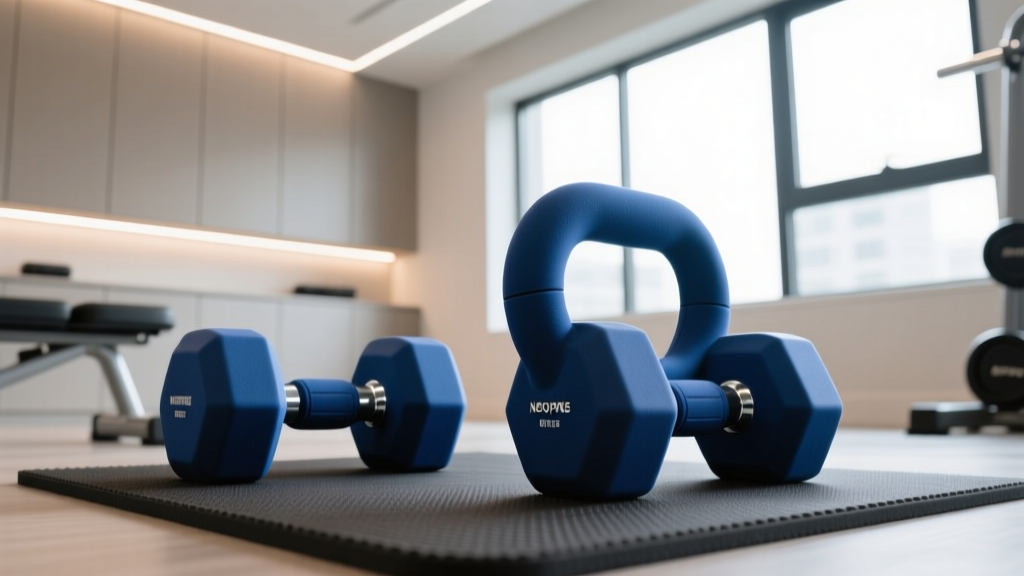
Lifting Dumbbells Everyday: Adjustable Dumbbell Setup & 2026 Review
Discover the best adjustable dumbbells for lifting dumbbells everyday. Our 2026 review covers setup, installation, calibration, and daily maintenance.

Committing to lifting dumbbells everyday is one of the most effective ways to build muscle consistency, improve metabolic health, and master neuromuscular control. However, high-frequency training places immense mechanical stress on your equipment. If you are relying on adjustable dumbbells to save space and money, a flawed setup or poor equipment choice will lead to frustrating mechanical failures, stuck dials, and potential injury.
As we move through 2026, the adjustable dumbbell market has matured, but not all selector mechanisms are built for daily, high-volume grinding. This comprehensive guide bridges the gap between equipment review and practical application, providing a complete setup, installation, and maintenance walkthrough specifically designed for the everyday lifter.
The Biomechanics and Equipment Reality of Daily Lifting
According to a landmark systematic review published in the National Institutes of Health (NIH), training a muscle group twice a week is generally superior to once a week for hypertrophy, but daily micro-dosing (high-frequency, low-volume training) is an emerging strategy for neurological adaptation and skill acquisition. When you lift daily, your equipment undergoes thousands of selector engagements and weight drops per month.
Cheap, knock-off dial systems use brittle ABS plastics for their internal selector gears. Under daily use, these gears strip within 3 to 6 months. For everyday lifting, you need precision-machined steel pins, reinforced polyurethane housings, or magnetic locking mechanisms that tolerate frequent adjustments without degrading.
2026 Adjustable Dumbbell Comparison Matrix for Daily Use
Below is our tested comparison of the top three adjustable dumbbells capable of withstanding a daily lifting regimen. Prices reflect early 2026 market averages for a single pair.
| Model | Price (Pair) | Weight Range | Selector Mechanism | Daily Durability Rating | Base Footprint |
|---|---|---|---|---|---|
| Nuobell 80 | $898 | 5 - 80 lbs | Twist-and-Lock Steel | 9.5/10 (Excellent) | 16.5" x 8.2" |
| PowerBlock Elite USA | $778 | 5 - 50 lbs (Expandable) | Steel Selector Pin | 10/10 (Indestructible) | 12.0" x 6.5" |
| Bowflex SelectTech 552 | $399 | 5 - 52.5 lbs | Plastic Dial Gears | 6.5/10 (Moderate) | 16.9" x 8.3" |
Complete Setup and Installation Walkthrough
Proper installation is critical. A misaligned base station will cause the selector pins to bind, which is the number one cause of warranty voids. Follow this step-by-step walkthrough to prepare your gear for daily use.
Phase 1: Base Station Placement and Load Distribution
Adjustable dumbbell sets weigh between 100 and 160 pounds when fully loaded in their cradles. Placing them directly on thick, plush carpet will cause the base to sink and tilt, throwing off the internal alignment of the weight plates.
- Select a rigid surface: Place the dumbbells on concrete, hard wood, or low-pile commercial carpet.
- Use a shock-absorbing mat: Purchase a 3/8-inch thick vulcanized rubber horse stall mat (typically 4x6 feet, costing around $50). Cut it to size to create a level, high-density foundation.
- Check clearance: Ensure you have at least 24 inches of vertical clearance above the base station if you are using the Nuobell 80, as adding the 80lb extension requires lifting the handle straight up to lock the outer sleeves.
Phase 2: Unboxing and Initial Calibration
Shipping impacts can knock the internal weight plates out of sequence. Before your first workout, you must calibrate the sets.
- The Zero-Weight Test: Set both dials (or pins) to the lowest weight setting (e.g., 5 lbs). Lift the handle straight up. The handle should feel feather-light, and no extra plates should follow it.
- The Max-Weight Test: Set the dials to the maximum weight. Lift slowly. Listen for any scraping sounds, which indicate a bent guide rod or misaligned polyurethane casing.
- The Shake Test: Hold the dumbbell at maximum weight and give it a gentle horizontal shake. You should hear zero rattling. If plates rattle, the base station is likely uneven. Adjust the floor matting until the cradle sits perfectly flush.
Optimizing Your Space for High-Frequency Access
When lifting dumbbells everyday, friction is your enemy—not just mechanical friction, but environmental friction. If your dumbbells are difficult to access, you will skip workouts.
"Ergonomics dictate adherence. If an everyday lifter has to bend over at a 45-degree angle to re-rack heavy adjustable dumbbells, lumbar fatigue will accumulate over the week, compromising their primary lifts."
— Biomechanics and Ergonomics Guidelines for Home Gym Design
Setup Recommendation: Mount your base stations on a reinforced steel or solid-wood shelf at roughly 28 to 32 inches off the ground (waist height). This allows you to change weights and re-rack them with a neutral spine. Ensure the shelf is bolted to wall studs using 3/8-inch lag screws, as the dynamic load of slamming a 50 lb dumbbell into a cradle can exceed 150 lbs of downward force.
The "Everyday Lifter" Maintenance Protocol
Daily use means daily exposure to sweat, chalk, and microscopic dust. According to the Mayo Clinic, consistency in strength training yields profound health benefits, but equipment hygiene is often overlooked in home gyms.
- Weekly (Sweat Removal): Wipe down the handles and outer plates with a microfiber cloth dampened with a 50/50 mix of water and white vinegar. Avoid bleach-based cleaners, which will degrade the rubberized grips and corrode the steel selector shafts.
- Monthly (Dust Purge): Use a can of compressed air to blow out the base station cradles. Dust accumulation at the bottom of the cradle prevents the dumbbell from seating fully, which stops the dial from turning on models like the Bowflex 552.
- Bi-Annually (Lubrication): Apply a micro-drop of 100% silicone lubricant to the guide rods on PowerBlock and Nuobell models. Never use WD-40, as it attracts dust and creates a grinding paste that will destroy the O-rings.
Expert Troubleshooting & Edge Cases
Even premium equipment encounters edge cases under high-frequency use. Here is how to troubleshoot the most common daily-lifting failure modes:
1. The Dial Refuses to Turn (Bowflex SelectTech)
Cause: The dumbbell was not placed perfectly flat in the cradle, causing the internal alignment gears to cross-thread.
Fix: Do not force the dial. Remove the dumbbell, manually push any protruding weight plates back into the stack, ensure the base is level, re-seat the dumbbell firmly, and try turning the dial to the lowest setting.
2. Handle Wobble at High Weights (Nuobell)
Cause: The O-rings on the extension sleeves have dried out or collected chalk dust, preventing a flush lock.
Fix: Wipe the inner sleeves with a damp cloth, dry thoroughly, and apply a light coat of silicone grease to the O-rings to restore the snapping lock mechanism.
3. Pin Sticking (PowerBlock)
Cause: Micro-bending of the selector pin from dropping the dumbbell on its side.
Fix: Remove the pin, inspect for bowing. If bent, contact PowerBlock support for a replacement steel pin (usually under $15). Do not attempt to hammer it straight, as this will compromise the structural integrity of the locking detent.
Final Verdict for the Daily Grinder
If your goal is truly lifting dumbbells everyday, your equipment must be treated with the same respect as commercial gym gear. While the Bowflex 552 remains a budget-friendly entry point for casual users, the daily lifter should invest in the PowerBlock Elite USA for unmatched drop-resistance, or the Nuobell 80 for a traditional dumbbell feel with heavy-duty steel locking mechanics. Pair your choice with a level, waist-high base station and a strict monthly maintenance routine, and your adjustable setup will easily survive thousands of daily repetitions for years to come.
More gear to consider
All reviews
Best Adjustable Dumbbells for Two Arm Seated Dumbbell Extension
Power Rack vs Squat Rack vs Squat Stand & Dumbbell SVG

2026 Market Trends: Racks for the Back Squat Dumbbell Alternative

Olympic Barbell Knurling & Centr Rubber Dumbbell Set Setup Guide

Barbell Knurling Guide vs Flat Bench Chest Press with Dumbbells