
2026 Market Trends: Life Fitness Dumbbells & Kettlebell Guide
Analyze 2026 free weights market trends, from commercial Life Fitness dumbbells to a deep-dive buyer's guide on cast iron vs. competition kettlebells.

The 2026 Free Weights Landscape: Commercial Benchmarks vs. Functional Growth
The commercial and home gym equipment market has undergone a significant bifurcation in 2026. On one side, traditional commercial facilities continue to standardize their core strength zones with ultra-durable, high-density urethane options—most notably the industry-benchmark life fitness dumbbells, which dominate the premium commercial sector with their 12-sided anti-roll heads and ergonomic knurling. On the other side, the functional training and hybrid fitness sectors are experiencing an unprecedented boom in off-axis, ballistic implements. According to recent facility outfitting data from the Health & Fitness Association, functional free weight zones have expanded by an average of 22% in commercial floor plans over the last three years, with kettlebells leading the charge.
While outfitting a commercial rack with premium urethane dumbbells remains a fixed, predictable capital expenditure (averaging $3.75 to $4.50 per pound for top-tier commercial lines in 2026), the kettlebell market is highly fragmented. Facility owners, garage gym builders, and strength coaches are currently facing a critical purchasing decision: invest in traditional cast iron kettlebells or pivot to standardized competition-grade steel? This market analysis and buyer’s guide breaks down the metallurgy, pricing structures, and biomechanical realities of the cast iron vs. competition kettlebell debate.
The Commercial Baseline: Why Urethane Dumbbells Set the Standard
To understand the kettlebell market, we must first look at the commercial dumbbell benchmark. Life Fitness Signature Series Urethane Dumbbells represent the gold standard for drop-resistance, grip ergonomics, and floor protection. They utilize a proprietary urethane formula that resists UV degradation and odor, paired with a chrome-plated, knurled steel handle. However, dumbbells are inherently bilateral and linear. As training methodologies shift toward rotational power, asymmetrical loading, and ballistic hinge movements, the kettlebell has become the indispensable tool for modern athletic development. Yet, unlike the standardized dimensions of commercial dumbbells, kettlebells present a wild west of manufacturing variances.
The Functional Pivot: Cast Iron vs. Competition Kettlebells
The global kettlebell market is broadly divided into two distinct manufacturing categories: Cast Iron (the traditional, variable-dimension workhorse) and Competition/Steel (the uniform, precision-machined standard). Understanding the metallurgical and dimensional differences is critical for 2026 buyers, as raw material costs and shipping tariffs have drastically altered the price-to-performance ratio of both categories.
2026 Market Insight: The Freight Factor
Kettlebells are high-density, low-volume freight. In 2026, global shipping rates for heavy iron and steel imports remain volatile. Consequently, domestic manufacturing (or near-shoring) has become a massive selling point. Brands casting or machining in North America or Western Europe command a 20-30% premium over overseas imports, but they offer vastly superior quality control regarding handle finishing and core integrity.
Cast Iron Kettlebells: The Variable-Dimension Workhorse
Cast iron kettlebells are produced via gravity casting, where molten iron is poured into a mold. This process is cost-effective but results in inherent dimensional variations. As the weight of a cast iron kettlebell increases, its physical size and handle geometry must also change.
- Handle Diameter Variance: A 12kg cast iron kettlebell typically features a 32mm handle diameter, while a 32kg bell may scale up to 35mm or even 38mm. This variance disrupts muscle memory for high-repetition ballistic movements like snatches and cleans.
- Horn Width and Window Size: The space between the horns (the window) shrinks relative to the bell size on heavier cast iron models, often causing the bell to rest awkwardly on the forearm during rack positions.
- Coating Technologies: The 2026 market is dominated by E-coat (electrophoretic deposition) and Powder Coat finishes. Rogue Fitness’s E-Coat and Powder Coat lines remain the benchmark, offering a tactile grip that accepts chalk without the slick, plastic-like feel of cheap enamel paints.
- Pricing Matrix: Cast iron remains the most economical entry point, averaging $1.50 to $2.80 per pound in 2026, depending on the coating and brand prestige.
Competition Kettlebells: The Uniform Precision Standard
Originally developed for the Soviet sport of Kettlebell Lifting (Girevoy Sport), competition kettlebells are machined from a single piece of steel (or feature a hollow steel shell with a precision internal core for lighter weights). Their defining characteristic is absolute uniformity.
- Universal Dimensions: Every competition kettlebell, from a featherweight 8kg to a monstrous 48kg, shares the exact same physical dimensions: 280mm x 280mm x 280mm.
- The 35mm Handle Standard: Regardless of weight, the handle diameter is universally locked at 35mm (with some niche sport brands offering a 33mm variant for smaller hands). This ensures that a lifter’s grip mechanics and rack position remain identical whether they are warming up with 12kg or maxing out with 32kg.
- Steel vs. Iron: Steel is significantly denser and more durable than cast iron. Competition bells will not crack or fracture if dropped on a concrete platform from overhead—a common failure mode for cheap cast iron bells with hidden air pockets.
- Pricing Matrix: The precision machining and higher-grade steel drive costs up significantly. Expect to pay between $3.50 and $6.00+ per pound for authentic competition bells from brands like Kettlebell Kings or Eleiko.
Spec & Market Matrix: Cast Iron vs. Competition
For facility buyers and serious home gym owners, the choice between cast iron and competition steel dictates not just budget, but the type of training the equipment will support. The following matrix outlines the core technical and market differences in the current landscape.
| Feature | Cast Iron (Standard) | Competition (Sport Steel) |
|---|---|---|
| Material | Gravity-Cast Iron | Single-Piece Machined Steel |
| Dimensions | Variable (Grows with weight) | Uniform (28cm x 28cm x 28cm) |
| Handle Diameter | Variable (32mm - 38mm) | Standardized (35mm or 33mm) |
| Base Shape | Rounded or Flat (Varies) | Flat, machined base |
| 2026 Avg. Cost | $1.50 - $2.80 / lb | $3.50 - $6.00+ / lb |
| Best Application | Hardstyle, Grinds, General Fitness | Girevoy Sport, High-Rep Ballistics, CrossFit |
2026 Supply Chain Realities and Pricing Forecasts
According to industry analyses highlighted in BarBend’s comprehensive equipment guides, the manufacturing origin of free weights heavily influences both quality and final retail pricing. In 2026, anti-dumping tariffs on raw Chinese iron and steel have forced many premium brands to shift manufacturing to India, Vietnam, or back to North American foundries.
For the consumer, this means the "budget" tier of cast iron kettlebells (often found on massive e-commerce marketplaces for under $1.20/lb) is increasingly plagued by poor quality control. Common failure modes in these budget imports include asymmetric horn widths (causing wrist impingement during cleans), rough casting seams on the handle (which tear calluses), and brittle iron cores that crack upon impact with rubber flooring. Conversely, premium competition bells from established brands like Eleiko or Kettlebell Kings have maintained price stability due to long-term steel contracts and localized machining facilities.
The Facility Buyer’s Decision Framework
How should a commercial gym owner or dedicated home athlete allocate their 2026 equipment budget? Use the following step-by-step framework to determine your ideal kettlebell fleet.
- Assess the Training Modality: If your facility focuses on Hardstyle kettlebell training (e.g., StrongFirst, RKC) emphasizing heavy grinds, low-rep power, and tension, Cast Iron is ideal. The thicker handles on heavier bells actually aid in grip strength development for heavy deadlifts and swings.
- Evaluate the Athlete Roster: If your gym programs high-repetition ballistic cycles, snatch tests, or CrossFit-style metcons, Competition Kettlebells are non-negotiable. The uniform 35mm handle and consistent window size prevent forearm bruising and allow athletes to focus on cardiovascular output rather than adjusting to a new grip geometry.
- Calculate Floor Space and Storage: Competition bells are uniform, meaning they stack and store beautifully on specialized tiered racks. Cast iron bells, with their variable footprints, require standard shelving and can look visually cluttered in a high-end commercial free weight zone.
- Budget Allocation Strategy: A smart 2026 commercial purchasing strategy is the "Hybrid Fleet." Outfit the heavy lifting platforms with cast iron bells (24kg, 32kg, 40kg) for grinds and heavy swings, while stocking the functional turf zone with competition bells (12kg, 16kg, 20kg, 24kg) for high-rep snatches and jerks.
Final Verdict: Bridging the Gap Between Commercial Standards and Functional Needs
The free weights market of 2026 demands intentionality. Just as a savvy facility manager wouldn't compromise on the urethane density and handle knurling of their life fitness dumbbells, they cannot afford to ignore the biomechanical realities of their kettlebell fleet. Cast iron remains the undisputed king of budget-friendly, heavy-duty general fitness, provided the buyer insists on premium E-coat or powder-coat finishes to ensure grip integrity. However, for any facility or athlete prioritizing high-volume ballistic endurance, technical consistency, and long-term structural durability, the premium investment in standardized competition steel kettlebells yields an undeniable return on performance and safety.
More gear to consider
All reviews
Barbell Buying Guide: Knurling & Half Kneeling Dumbbell Overhead Press
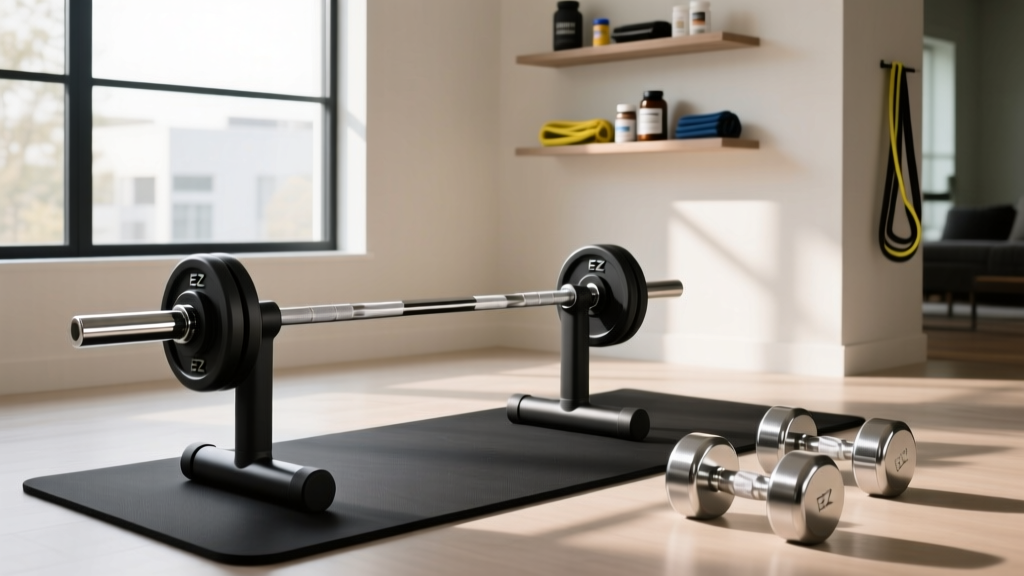
EZ Curl Bar vs Straight Bar: Upgrading Your Dumbbell Workout Regimen

Olympic vs Standard Plates: Guide & Incline Dumbbell Press Form
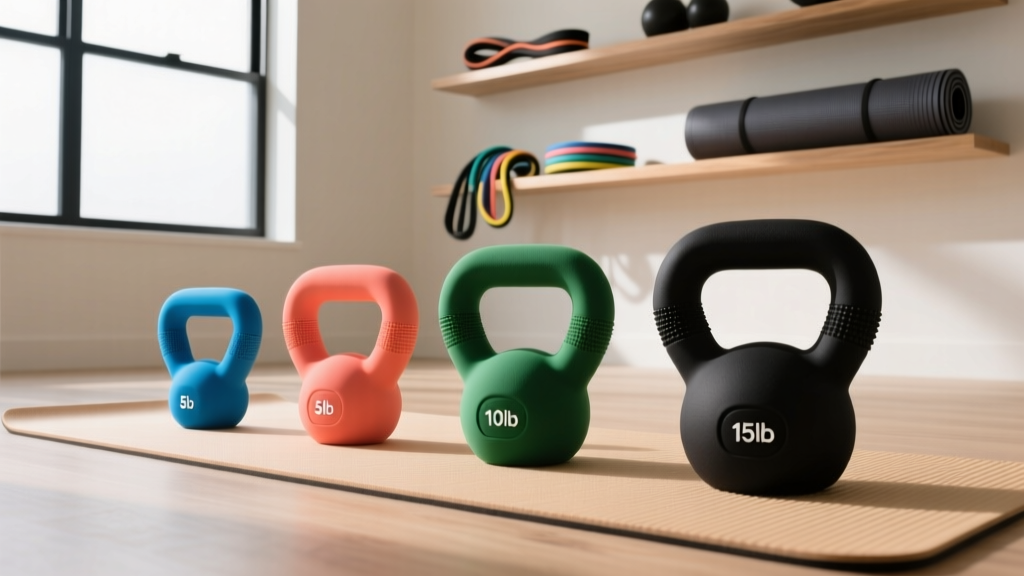
Best Neoprene Dumbbells for a Home Dumbbell Exercise Plan
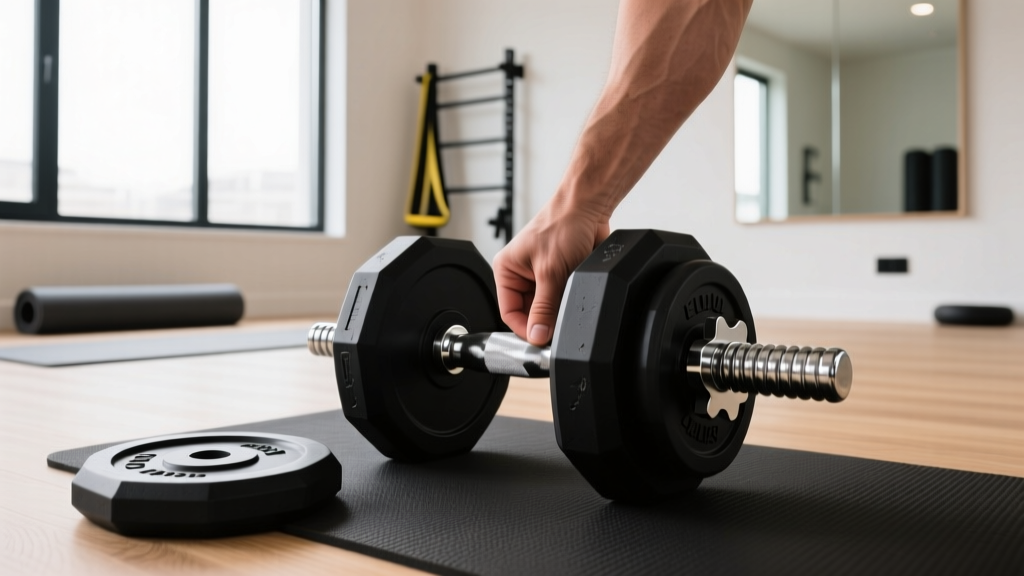
Loadable Dumbbell Maintenance for a Safe Dumbbell Turkish Get Up
