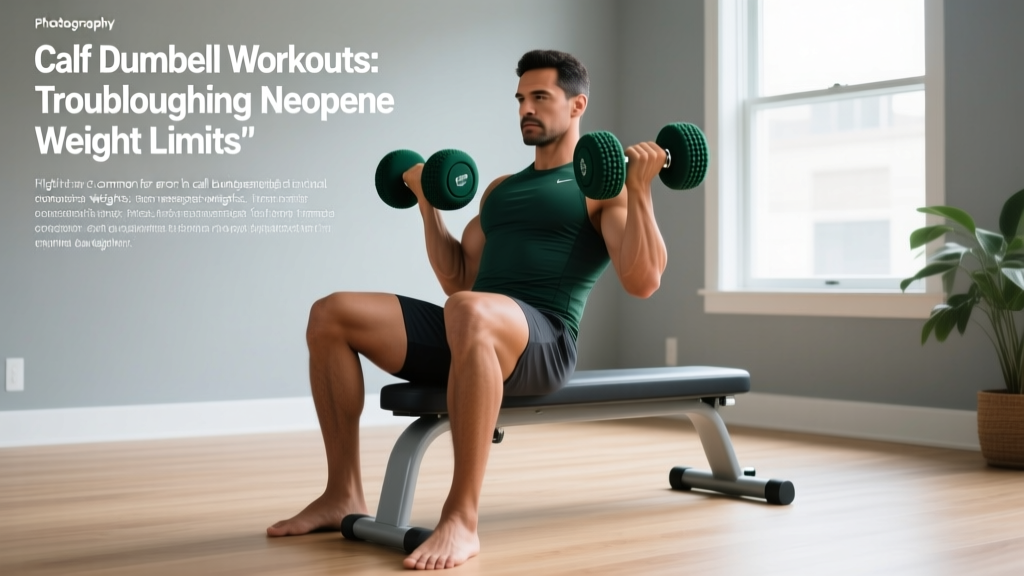
Setup Guide: Lat Muscle Dumbbell Workout With Neoprene Weights
Master your home gym setup and lat muscle dumbbell workout. Learn to organize neoprene dumbbells and structure effective back routines today.

Phase 1: Physical Installation & Home Gym Setup
Building a dedicated home gym space requires more than just purchasing equipment; it demands a strategic approach to spatial configuration, floor protection, and equipment longevity. When your primary modality involves a lat muscle dumbbell workout using neoprene-coated weights, your physical setup must accommodate the unique sweeping ranges of motion required for back training while protecting your subfloors from the inherent density of cast-iron cores.
Floor Protection & Matting Configuration
Neoprene (polychloroprene) is a synthetic rubber that excels at preventing surface scuffs and reducing acoustic vibration. However, it does not absorb high-impact kinetic energy. If you drop a 40 lb neoprene dumbbell from a standing height, the coating will compress, but the force will transfer directly into your floor joists or concrete slab.
- The 3/4-Inch Rule: Install 3/4-inch thick vulcanized rubber mats (commonly sold as horse stall mats, typically priced around $55 per 4x6-foot sheet in 2026). This thickness provides the necessary shock absorption for heavy dumbbell rows and pullovers.
- Clearance Dimensions: Lat training requires significant sagittal and transverse plane clearance. For exercises like the dumbbell pullover or wide-arm renegade rows, you need a minimum clear footprint of 6 feet by 6 feet to prevent striking walls or furniture during the eccentric (lowering) phase.
Storage & Rack Installation
Neoprene coatings are susceptible to mold and degradation if left resting on damp concrete or exposed to direct UV light. Your storage setup must promote airflow.
Expert Setup Tip: Avoid storing neoprene dumbbells directly on the floor of a garage or basement. Invest in a 3-tier A-frame dumbbell rack (such as the CAP Barbell A-Frame, retailing between $65 and $85). The angled tiers prevent moisture pooling and keep the handles easily accessible for quick weight transitions during your lat supersets.
Material Science: Why Neoprene for Lat Training?
Before programming the workout, it is vital to understand the physical properties of your tools. Neoprene dumbbells are manufactured by dipping a cast-iron core into liquid chloroprene rubber. This creates a seamless, ergonomic grip that is highly advantageous for high-repetition back work.
The Grip Thickness Caveat
As neoprene dumbbells increase in weight, the physical volume of the coating increases, leading to thicker handles. According to biomechanical data indexed by the ExRx.net Kinesiology Directory, grip strength is often the limiting factor in pulling movements. If you are using neoprene dumbbells heavier than 35 lbs, the increased handle circumference may cause your forearms to fatigue before your latissimus dorsi reaches true muscular failure. For home setups, keeping a pair of 25 lb and 35 lb neoprene dumbbells is the optimal balance for high-volume lat hypertrophy without requiring lifting straps.
Phase 2: Structuring the Lat Muscle Dumbbell Workout
The latissimus dorsi is a massive muscle group responsible for shoulder extension, adduction, and internal rotation. In a commercial gym, you would rely on cable pulldowns for adduction. In a home setup with dumbbells, you must maximize shoulder extension and sagittal plane movements to fully stimulate the muscle fibers.
Proper form dictates that the elbow drives toward the ipsilateral hip, not straight up toward the ceiling. Pulling toward the chest shifts the load onto the rhomboids and rear deltoids. For a comprehensive breakdown of pulling mechanics, the Cleveland Clinic's guide to back exercises emphasizes keeping the spine neutral and initiating the pull from the elbow to isolate the lats effectively.
The Complete Workout Protocol
This routine is designed for a home gym setup utilizing neoprene dumbbells and a standard flat bench (or the floor, if a bench is unavailable). Use a 3-1-1 tempo: 3 seconds eccentric lowering, 1 second pause at the stretch, and 1 second concentric contraction.
| Exercise | Sets | Reps | Rest | Neoprene Weight Recommendation |
|---|---|---|---|---|
| Single-Arm Dumbbell Row | 4 | 8-10 | 90 sec | 25 - 40 lbs |
| Dumbbell Pullover (Bench/Floor) | 3 | 12-15 | 60 sec | 15 - 25 lbs |
| Renegade Row (Core/Lats) | 3 | 6 / side | 90 sec | 15 - 25 lbs |
| Straight-Arm Floor Pullover | 2 | 15-20 | 45 sec | 10 - 15 lbs |
Execution Nuances for Home Setups
- The Pullover Stretch: When performing dumbbell pullovers on the floor instead of a bench, your range of motion is naturally limited by the ground. To compensate, focus on an intense isometric squeeze at the top of the movement, holding the dumbbells directly over your chest for a full two seconds to maximize lat contraction.
- Renegade Row Stability: Neoprene coatings provide excellent grip against rubber mats, preventing the dumbbells from sliding outward during the plank position of a renegade row. Ensure the flat side of the dumbbell head is firmly planted on the mat before initiating the pull.
Equipment Sourcing & Budgeting (2026 Market Data)
When outfitting your home gym for this specific lat workout, understanding the cost-per-pound metrics of different coatings will help you allocate your budget efficiently.
- Neoprene Coated: $1.50 to $2.20 per lb. Best for light-to-medium home use, floor protection, and ergonomic grip. Caps out around 50 lbs per dumbbell.
- Cast Iron (Bare): $0.90 to $1.20 per lb. Most economical, but requires maintenance to prevent rust and will damage unprotected floors.
- Urethane Coated: $3.00 to $4.50+ per lb. Commercial grade, highly resistant to UV and impact, but often overkill for a standard home garage gym.
For a complete lat-focused home setup, purchasing a neoprene set ranging from 10 lbs to 40 lbs (in 5 lb increments) will cost approximately $450 to $600 in the current market. This provides all the necessary resistance for the workout protocol outlined above.
Troubleshooting Form & Equipment Failures
Even with a perfect physical setup, equipment wear and form breakdowns can derail your progress. Here is how to troubleshoot common issues specific to neoprene dumbbells and lat training.
1. Neoprene Tearing and Peeling
The Failure: The rubber coating begins to split near the handle junction.
The Cause: Dropping the dumbbells on their ends or exposing them to direct sunlight (UV degradation) and ozone.
The Fix: Always place the dumbbells down gently on your 3/4-inch rubber mats. Store the A-frame rack in a shaded, climate-controlled area of your garage or spare room. Once neoprene tears, moisture can seep into the iron core, causing hidden rust that will eventually stain your floors.
2. Grip Slipping During Heavy Rows
The Failure: Your hands slip off the handle during the 40 lb single-arm rows, despite the textured neoprene.
The Cause: Traditional gym chalk (magnesium carbonate) does not adhere well to synthetic rubber; it creates a slick, paste-like barrier when mixed with sweat.
The Fix: Ditch the chalk. Keep a dry microfiber towel on your bench or mat to wipe your hands and the dumbbell handles between every single set. If grip remains the limiting factor for your lats, invest in a pair of cotton lifting straps, which wrap securely around the thick neoprene handles without degrading the material.
3. Lower Back Pain During Bent-Over Rows
The Failure: Lumbar fatigue precedes lat fatigue.
The Cause: Poor hip-hinge mechanics and lack of stabilization.
The Fix: Utilize the 'three-point contact' method. Place your non-working hand and knee on a flat bench, keeping your spine strictly parallel to the floor. This setup entirely removes the lower back from the equation, allowing you to isolate the latissimus dorsi with strict, heavy pulls. The ACE Fitness Exercise Library highly recommends this supported variation for individuals training in home environments without access to specialized chest-supported row machines.
Final Setup Checklist
Before initiating your first lat muscle dumbbell workout, verify the following:
- 3/4-inch rubber matting is laid flat with no tripping hazards.
- A-frame rack is assembled and positioned away from direct sunlight.
- Dumbbell weights are organized by size for seamless transitions.
- Microfiber towel and water are within arm's reach of the workout zone.
- Clearance is verified for full-arm extension during pullovers.
By meticulously setting up your physical space and understanding the biomechanical demands of the latissimus dorsi, your neoprene dumbbells will transform from simple household weights into a highly effective, joint-friendly back-building arsenal.
More gear to consider
All reviews
Power Rack vs Squat Rack vs Squat Stand: Rigging Dumbbell Seal Rows

Cast Iron vs Competition Kettlebells: Leg Workout Gym with Dumbbells
Best Adjustable Dumbbells for the Dumbbell Shoulder Raise (2026)
Barbell Collar Types Compared: Beyond Dumbbell Back Exercises

Power Rack vs Squat Rack vs Squat Stand for Your Nike Dumbbells Set