Cast Iron vs Competition Kettlebells & Pec Flyes Dumbbells Layout
Master your home gym layout with our cast iron vs competition kettlebell guide, plus space-saving storage tips for pec flyes dumbbells.

The Spatial Divide: Cast Iron vs. Competition Kettlebells
When outfitting a high-density home gym in 2026, the debate between cast iron and competition kettlebells is rarely just about grip mechanics or biomechanics—it is fundamentally a question of spatial geometry and storage density. For lifters optimizing a garage gym, spare bedroom, or apartment workout space, understanding the physical footprint of your free weights is just as critical as the programming itself. This guide breaks down the cast iron vs competition kettlebell buying decision through the lens of space optimization, while also addressing how to properly integrate pec flyes dumbbells into your layout without sacrificing crucial floor clearance.
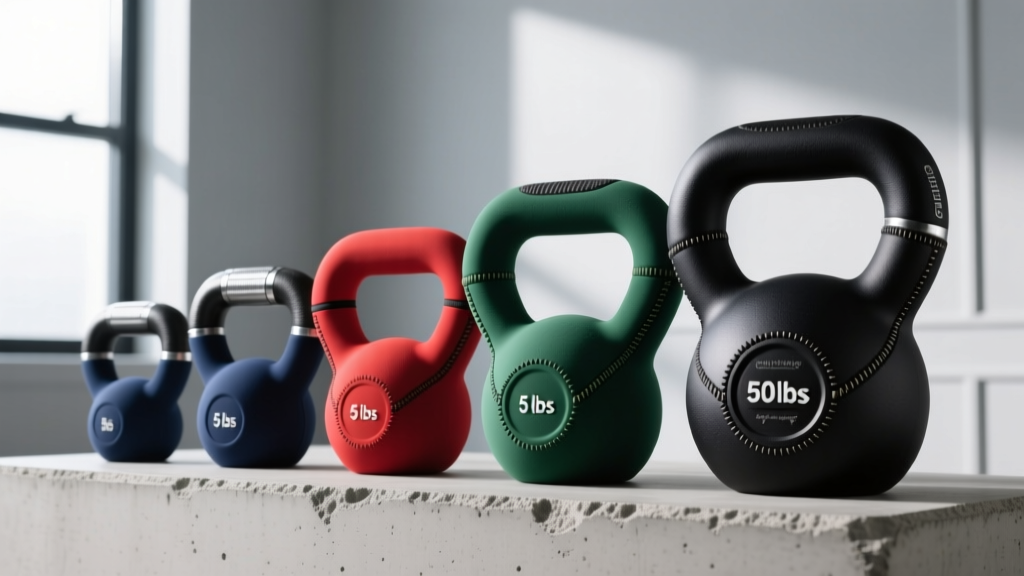
Cast iron kettlebells, such as the Rogue Powder Coat Kettlebells, are forged with a variable footprint. As the weight increases, the physical volume and base diameter of the bell expand. A 16kg cast iron bell might feature a base diameter of 6.5 inches, while a 32kg bell can stretch to 8.5 inches or more. Conversely, competition kettlebells like the Kettlebell Kings Competition line adhere to strict International Union of Kettlebell Lifting (IUKL) standards. Every single bell, from 8kg to 48kg, shares the exact same dimensions: a 210mm height, 210mm width, and a uniform 35mm horn diameter.
Dimensional & Storage Comparison Matrix
| Feature | Standard Cast Iron (e.g., Rogue Powder Coat) | Competition Style (e.g., KB Kings) |
|---|---|---|
| Base Diameter | Variable (6.5" to 8.5"+) | Uniform 8.26" (210mm) |
| Handle Thickness | Variable (33mm - 38mm) | Uniform 28mm |
| Rack Compatibility | Excellent on tiered, angled racks | Poor on angled racks; requires flat shelves |
| Floor Footprint | Compact for lighter weights, sprawling for heavy | Consistent, but requires wider shelf depth |
| Avg. Cost per kg | ~$7.50 - $8.00 / kg | ~$14.00 - $16.00 / kg |
Storage Rack Compatibility and Edge Cases
The uniform dimensions of competition kettlebells are a blessing for muscle memory, but a notorious headache for space-constrained storage. Because the base is wide and perfectly flat, competition bells do not nest well on standard tiered, angled kettlebell racks. If you attempt to store a 24kg competition bell on a rack designed for cast iron, the wide 210mm base will often overhang the lip of the tier, creating a severe tipping hazard.
⚠️ Safety Warning: The Overhang Failure ModeNever store competition kettlebells on angled tier racks meant for cast iron. The center of gravity on a uniform competition bell sits higher and wider than a compact cast iron bell of the same weight. In 2025 and 2026, several home gym owners reported rack tipping incidents due to this exact mismatch. Always use flat-shelf utility racks or vertical horn-storage trees for competition bells.
For small spaces, cast iron kettlebells are generally the superior choice. Their compact, teardrop-shaped base allows them to slot perfectly into 2-tier or 3-tier angled storage racks (like the Rep Fitness 3-Tier Kettlebell Rack, which occupies a mere 30" x 18" floor footprint). This vertical nesting keeps your floor space open for dynamic movements like Turkish get-ups and goblet squats.
Integrating Pec Flyes Dumbbells into Compact Layouts
While kettlebells anchor your posterior chain and ballistic work, upper body isolation requires careful spatial planning. This is especially true when utilizing pec flyes dumbbells in a confined space. The chest flye requires maximum lateral arm extension, meaning the physical length of your dumbbells and your proximity to walls or racks will dictate your range of motion and safety.
If you are relying on adjustable dumbbells to save space, the chassis design drastically impacts your layout. Consider the two market leaders in 2026:
- Nuobell 80lb Adjustables ($399/pair): These feature a traditional dumbbell profile but measure 16.9 inches in length at the highest weight setting. When lying on a standard 17.5-inch high adjustable bench, performing a deep pec flye with Nuobells requires a minimum of 42 inches of lateral clearance from the wall to avoid scraping the drywall or restricting your stretch at the bottom of the movement.
- PowerBlock Elite ($399/pair): The blocky, cage-like design keeps the center of mass incredibly tight. The Elite measures just 12 inches long. This 4.9-inch difference per side means you can position your bench a full foot closer to a wall or power rack upright, making it the undisputed champion for pec flyes dumbbells in micro-gyms.
According to facility guidelines published by the American Council on Exercise (ACE), you should maintain at least 36 inches of clearance on all sides of a bench for free weight movements to ensure safe bail-out zones. If your room is only 8 feet wide, placing the bench dead center leaves exactly 48 inches on either side. Using shorter adjustable dumbbells ensures your elbows and the dumbbell heads never breach that safety perimeter during deep flye stretches.
The 2026 Micro-Gym Floor Plan (8x10 Foot Room)
To visualize how cast iron kettlebells and adjustable pec flyes dumbbells coexist in a space-optimized environment, consider this exact layout for a standard 8x10 foot spare bedroom (80 square feet).
Zone 1: The Dead Zone & Rack Storage (0 - 24 inches)
Reserve the first two feet of the 8-foot width against the back wall for a flat-shelf utility rack. Store your competition kettlebells here if you prefer them, or use a compact 2-tier angled rack for cast iron bells. Mount a foldable wall shelf above it for resistance bands and chalk. This keeps the heavy iron out of the primary movement corridor.
Zone 2: The Adjustable Bench Corridor (24 - 60 inches)
Place an adjustable bench (like the Rogue Adjustable Bench 3.0) lengthwise in the center of the room. By using compact PowerBlock dumbbells for your pec flyes and pressing movements, you maintain a 38-inch clearance on both sides of the bench. This satisfies the ACE safety guidelines while allowing full lateral extension for flyes without wall interference.
Zone 3: The Ballistic Alley (60 - 120 inches)
The remaining 5 feet of the room's length is kept entirely clear of equipment. This 40-square-foot zone is lined with 3/4-inch horse stall mats. This is your dedicated area for kettlebell swings, snatches, and goblet squats. Because you opted for space-efficient storage in Zone 1, this alley remains unobstructed, preventing the dreaded 'shin-bang' against rogue kettlebells left on the floor.
Expert Verdict: Which Style Wins for Small Spaces?
If your primary constraint is physical square footage and storage density, cast iron kettlebells are the undisputed winners for the home gym. Their variable sizing allows for tight, nested storage on angled racks, and their smaller bases take up less visual and physical real estate on the floor between sets. Competition kettlebells should be reserved for lifters who have dedicated flat-shelf storage and prioritize the uniform 28mm handle for high-rep sport-specific conditioning.
By pairing a space-efficient cast iron kettlebell rack with compact, block-style adjustable dumbbells for your pec flyes, you can build a fully functional, commercial-grade hypertrophy and conditioning facility in under 80 square feet. Smart spatial planning isn't just about making the room look clean—it's about ensuring every inch of clearance serves your biomechanics and safety.
More gear to consider
All reviews
Power Rack vs Squat Rack vs Stand: Setup for Dumbbell Box Step Ups
The Golden Dumbbell Setup: Loadable Plates for Small Gyms

Best Neoprene Dumbbells for Dumbbell Complex Exercises (2026)

EZ vs Straight Bar Maintenance & Dumbbell Bench Press Care

Dumbbells vs Kettlebells: Space Optimization With Loadable Plates