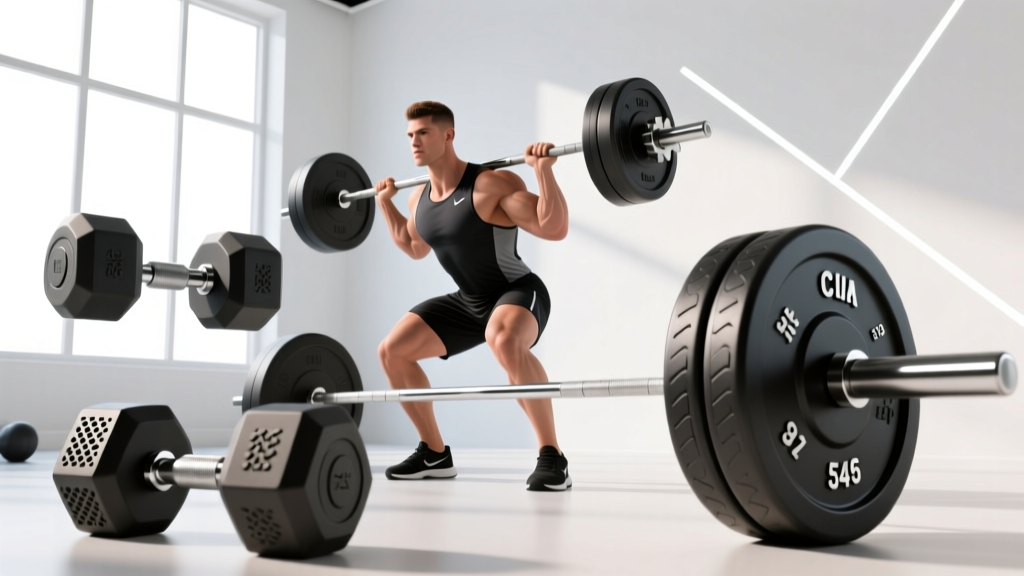
Dumbbell Cross Body Raise to Barbell: Weight & Knurling Guide
Transition from the dumbbell cross body raise to heavy lifting. Our step-by-step Olympic barbell buying guide covers weight tolerances and knurling types.

When you first stepped into the gym, mastering isolation movements like the dumbbell cross body raise was crucial. That specific exercise builds vital anterior and lateral deltoid stability, teaching your central nervous system how to manage unilateral loads across your body's midline. But as your foundational strength grows, isolation exercises eventually hit a ceiling. To trigger systemic muscle growth and raw strength adaptations, you must transition to compound barbell lifts.
However, walking into a fitness equipment store or browsing online retailers in 2026 reveals a bewildering array of Olympic barbells. Prices range from $150 to over $1,200, and the technical jargon—knurling patterns, tensile strength, bushings versus bearings—can easily overwhelm a beginner. This step-by-step Olympic barbell buying guide will demystify weight tolerances and knurling geometries, ensuring you invest in a barbell that perfectly bridges the gap from your dumbbell days to heavy squats, deadlifts, and presses.
Step 1: Decoding Barbell Weights and Manufacturing Tolerances
The term 'Olympic barbell' refers to the 2-inch (50mm) rotating sleeves designed to hold Olympic weight plates. But the shaft weight and dimensions vary strictly based on the intended user and governing body standards. According to USA Weightlifting, competition-grade bars must adhere to rigid specifications, but the commercial and home gym markets offer more variety.
| Barbell Type | Standard Weight | Shaft Diameter | Total Length | Best For |
|---|---|---|---|---|
| Men's Olympic | 20kg (44 lbs) | 28mm - 29mm | 2200mm (86.6') | Powerlifting, CrossFit, General Strength |
| Women's Olympic | 15kg (33 lbs) | 25mm | 2010mm (79.1') | Smaller hands, Olympic Weightlifting |
| Junior / Technique | 5kg - 10kg | 22mm - 25mm | Varies | Beginners learning form, youth athletes |
The Hidden Trap: Weight Tolerances
Not all 20kg bars actually weigh 20kg. Budget manufacturers often utilize loose casting tolerances, meaning a '45 lb bar' might actually weigh 42 lbs or 48 lbs. While this seems minor, it ruins progressive overload tracking. When upgrading from the dumbbell cross body raise to barbell overhead presses, every pound matters. Premium brands adhere to International Weightlifting Federation (IWF) or International Powerlifting Federation (IPF) standards, which mandate a strict weight tolerance of +/- 10 grams. Always check the manufacturer's stated tolerance before purchasing.
Step 2: Understanding Knurling Geometries (The Grip Factor)
Knurling is the cross-hatched pattern machined into the steel shaft. It is the single most important tactile feature of your barbell. In the modern fitness market, knurling is categorized into three distinct geometric profiles. Choosing the wrong one can lead to torn calluses or slipped reps.
1. Hill Knurling (The Beginner's Friend)
Hill knurling features shallow, rounded peaks with wide valleys. Because the peaks are flattened, the steel does not dig aggressively into the dermis.
- Pros: Extremely comfortable for high-repetition workouts; prevents hand tearing; ideal for bare-handed lifting.
- Cons: Lacks the aggressive 'bite' needed for heavy, chalk-loaded deadlifts or max-effort squats.
2. Mountain Knurling (The Aggressor)
Mountain knurling consists of sharp, prominent peaks that resemble a jagged mountain range. It provides immense friction but is notoriously unforgiving on the skin.
- Pros: Unmatched grip security for heavy 1-rep max deadlifts; excellent when using heavy chalk.
- Cons: Will tear calluses during high-rep cleans or snatches; painful for high-volume front squats.
3. Volcano Knurling (The Gold Standard)
Volcano knurling is the most sought-after profile in 2026. It features deep, aggressive valleys, but the peak of each 'mountain' is hollowed out, creating a crater. This design provides a massive surface area for grip without the sharp points that tear skin. As noted in BarBend's Comprehensive Barbell Guide, volcano knurling offers the perfect compromise for hybrid lifters who mix powerlifting with Olympic movements.
Expert Tip: If you are transitioning from dumbbells, your hands are not yet conditioned to the sheer friction of a loaded barbell. Start with a moderate volcano knurl and use a pumice stone weekly to manage callus thickness, preventing sudden tears during heavy pulls.Step 3: Markings and the Center Knurl Debate
Running down the shaft of an Olympic barbell are smooth rings called knurl markings. These dictate hand placement for specific sports.
- IWF Markings (Single Ring): Placed 910mm apart. Used for Olympic weightlifting (snatches, clean and jerks) to ensure a wide, stable overhead position.
- IPF Markings (Double Ring): Placed 810mm apart. Used for powerlifting (bench press) to standardize the maximum legal grip width.
- Dual Markings: Many modern 'multi-purpose' bars feature both rings, making them ideal for general fitness enthusiasts.
Should You Get a Center Knurl?
The center knurl is a small patch of grip in the exact middle of the bar. Powerlifters love it because it 'bites' into the back of their t-shirt or skin during heavy low-bar squats, preventing the bar from sliding up the neck. However, if you plan to do Olympic lifts or CrossFit WODs, the center knurl will painfully scrape your collarbones and chest during cleans. For a beginner building a home gym, a mild center knurl or no center knurl is usually the safest bet.
Step 4: Tensile Strength and Spin (Bushings vs. Bearings)
Weight and knurling are only half the equation. The internal construction dictates how the bar performs under load and how long it will last.
Tensile Strength (Measured in PSI)
Tensile strength measures how much force the steel can withstand before snapping. Never buy a barbell with a tensile strength below 165,000 PSI. For a safe, lifelong investment, look for a minimum of 190,000 PSI. Premium bars forged from high-grade spring steel often exceed 215,000 PSI, ensuring the bar will bend under extreme loads but never permanently deform or snap.
Bushings vs. Bearings
The sleeves of an Olympic barbell must spin to accommodate the momentum of the weight plates.
- Bronze/Brass Bushings: Provide a slow, controlled spin. Ideal for powerlifting (squats, bench, deadlifts) where you want the bar to feel stable and not wobble in your hands.
- Needle Bearings: Provide a lightning-fast, frictionless spin. Mandatory for Olympic weightlifting (cleans and snatches) to reduce wrist torque when catching the bar.
Step 5: 2026 Market Recommendations for Beginners
Based on current market pricing and manufacturing standards, here are three benchmark Olympic barbells that cater to different stages of the beginner-to-intermediate journey.
- The Budget Multi-Purpose Bar ($200 - $250): Look for models like the REP Fitness Deep Dish 2.0. It features a 190k PSI shaft, dual knurl markings, and a moderate volcano knurl. It is an exceptional entry point for those moving past dumbbell isolation work.
- The Mid-Tier Workhorse ($275 - $325): The Rogue Ohio Bar remains the industry standard. Its proprietary volcano knurling is legendary, and the composite bushing system offers a perfect middle-ground spin for both pressing and dynamic movements. Check the Rogue Fitness Barbell Catalog for current Cerakote finish options, which provide immense rust resistance without needing constant oiling.
- The Powerlifting Specialist ($350+): If you know you will exclusively focus on heavy squats, bench presses, and deadlifts, invest in a stiff bar with aggressive mountain knurling and IPF markings, such as the Titan Power Bar.
Final Thoughts on Your Lifting Journey
Progressing from the dumbbell cross body raise to loading up an Olympic barbell is a massive milestone in your fitness career. By prioritizing strict weight tolerances, selecting a volcano knurl profile that balances grip with skin preservation, and ensuring a minimum of 190k PSI tensile strength, you will secure a piece of equipment that outlasts your fitness goals. Treat your barbell with respect—wipe it down after every session, use a nylon brush to clear chalk from the knurling valleys, and it will serve as the foundation of your strength for decades to come.
More gear to consider
All reviews
Bumper vs Iron Plates: 2026 Trends & Supinating Dumbbell Bicep Curls
Budget Breakdown: Loadable Dumbbells for Dumbbell Stationary Lunges
Olympic vs Standard Plates & Standing Side Crunch with Dumbbell Errors

Best Dumbbell for One Arm Bent Over Row: Rubber vs Urethane
Half Kneeling Dumbbell Press: Rubber Hex vs Urethane for Small Gyms
