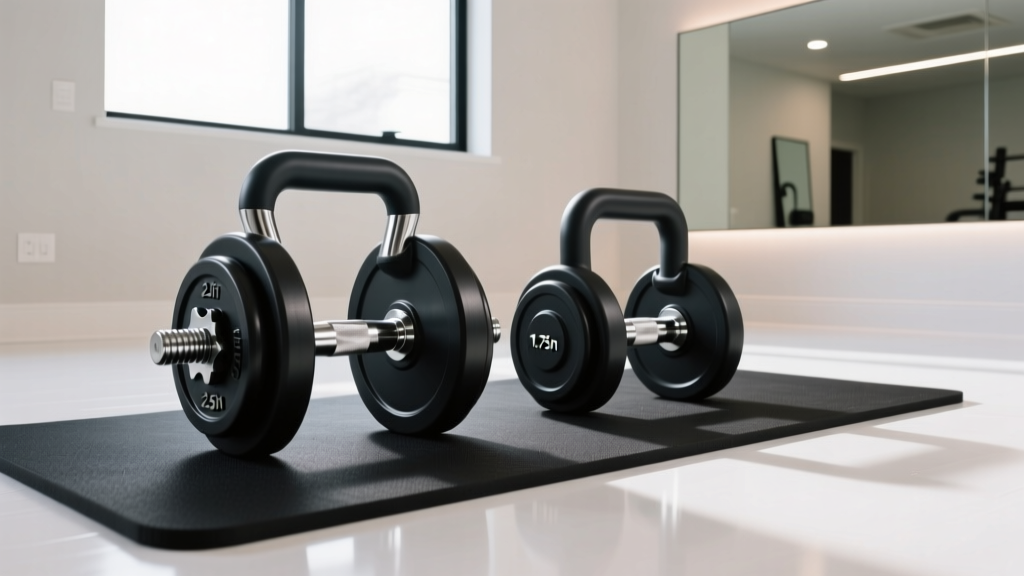
Iron Bull Dumbbell & Bar Care: EZ Curl vs Straight Bar Longevity
Master gym equipment longevity with our guide on Iron Bull dumbbell care and a deep-dive EZ curl bar vs straight bar maintenance comparison.

Building a resilient home gym requires more than just purchasing high-quality equipment; it demands a rigorous, informed approach to maintenance. Whether you are meticulously caring for a premium iron bull dumbbell set or debating the long-term durability of an EZ curl bar versus a standard straight barbell, understanding the metallurgy, coating degradation, and mechanical wear patterns of your free weights is essential. In 2026, with commercial-grade urethane and advanced Cerakote finishes dominating the market, the maintenance protocols have evolved. This comprehensive guide bridges the gap between dumbbell care and barbell longevity, providing actionable frameworks to protect your investment.
The Anatomy of Wear: Straight Bar vs. EZ Curl Bar
When comparing the lifespan of an Olympic straight bar to an EZ curl bar, the primary point of failure is rarely the steel itself, but rather the structural geometry and stress distribution. A standard 7-foot Olympic straight bar features a uniform shaft, distributing bending forces evenly across its 215,000 PSI tensile steel core. Conversely, an EZ curl bar is defined by its 120-degree and 150-degree bends.
Structural Warning: The bends on an EZ curl bar create concentrated stress risers. While modern cold-bent manufacturing has largely eliminated the weak weld points seen in early 2010s models, repeatedly dropping an EZ curl bar from overhead or rack positions can cause micro-fractures at the apex of the inner curves. Never drop an EZ curl bar; always lower it under control.From a maintenance perspective, the crevices of the EZ bar's bends act as chalk and moisture traps. Sweat and magnesium carbonate accumulate in the inner angles, accelerating oxidation if not aggressively brushed out. The straight bar, lacking these tight angles, is inherently easier to wipe down and keep dry, giving it a slight edge in passive longevity for humid garage gyms.
Knurling Care: Preserving the Grip
The knurling on your barbell—and the ergonomic handles of your iron bull dumbbell set—is the most critical interface between you and the weight. Dead skin, chalk, and ambient humidity combine to form a corrosive paste that settles deep into the knurl valleys, leading to rust pits that permanently ruin the grip texture.
The Brass vs. Nylon Brush Debate
Industry experts, including the team at BarBend's Barbell Maintenance Guide, recommend using a brass-bristle brush for bare steel and chrome finishes, as brass is softer than the hardened steel of the bar and will not strip the knurl peaks. However, if your straight bar or EZ bar features a modern Cerakote or black zinc finish, you must downgrade to a stiff nylon brush to prevent scratching the protective coating.
'A 60-second brushing session immediately after your workout, before sweat dries, is the single most effective habit for extending knurl life by decades.' — Garage Gym Reviews Maintenance Guide
After brushing, apply 3 to 5 drops of 3-in-One oil or a specialized barbell rust-preventative mineral oil to the shaft. Wipe it down with a microfiber cloth. This leaves a microscopic hydrophobic barrier that repels moisture without making the grip slippery.
Sleeve Spin and Bushing Maintenance
The sleeve assembly is where the mechanical divergence between straight bars and curl bars becomes most apparent during maintenance. Straight Olympic bars utilize either bronze bushings or needle bearings to facilitate high-speed sleeve rotation during Olympic lifts. EZ curl bars, designed for slower, controlled hypertrophy movements, typically rely on simpler bronze bushings and external snap-rings.
| Equipment Type | Internal Mechanism | Lubricant Required | Maintenance Interval | Common Failure Mode |
|---|---|---|---|---|
| Olympic Straight Bar (Bearing) | Needle Bearings | White Lithium Grease | Every 6 Months | Chalk dust seizing the bearing cage |
| Olympic Straight Bar (Bushing) | Bronze Bushings | 3-in-One Oil / Synthetic | Every 3 Months | Sleeve scoring due to lack of lubrication |
| EZ Curl Bar | Solid Bronze Bushing | Light Machine Oil | Every 4 Months | Snap-ring dislodgement from lateral drops |
| Iron Bull Dumbbell (Fixed) | N/A (Solid Hex Head) | N/A | N/A | Urethane delamination from UV exposure |
To service a straight bar's sleeves, remove the end cap (often requiring a specialized spanner wrench or a flathead screwdriver for friction-fit caps), clean the internal shaft with a solvent, and apply a thin layer of white lithium grease. EZ curl bars rarely allow for internal sleeve removal; maintenance is limited to applying light machine oil to the seam where the sleeve meets the shaft and rotating it manually to work the oil into the bushing.
Coating Longevity: Urethane vs. Chrome vs. Zinc
When outfitting a gym, the coating dictates the cleaning chemicals you can safely use. The iron bull dumbbell line frequently utilizes high-density urethane, a premium polymer that resists chipping and absorbs impact noise far better than traditional rubber. However, urethane is highly susceptible to UV degradation and harsh chemical breakdown.
Cleaning Protocols by Finish
- Urethane (e.g., Iron Bull Dumbbell): Wipe only with a damp microfiber cloth and mild dish soap. Never use bleach, ammonia, or alcohol-based sanitizers, as these will dry out the polymer, leading to micro-cracking and eventual delamination. Keep away from direct sunlight.
- Hard Chrome (Common on EZ Bars): Highly resistant to corrosion but shows fingerprints and chalk easily. Can be cleaned with standard gym wipes, but requires monthly oiling to prevent surface spotting in high-humidity environments.
- Black Zinc / Cerakote (Common on Straight Bars): Offers superior oxidation resistance. Avoid wire brushing. Clean with standard disinfectant wipes, but avoid prolonged exposure to acidic sweat without wiping down.
In 2026, the price gap between urethane and rubber has narrowed, with premium urethane hex sets averaging around $1.80 to $2.20 per pound. Protecting this investment means strictly controlling the chemical environment of your gym floor.
Step-by-Step Monthly Maintenance Routine
Implement this 15-minute monthly protocol to ensure your straight bars, curl bars, and dumbbells remain in commercial-grade condition.
- Visual Inspection (2 mins): Check the EZ bar bends for hairline fractures in the chrome/zinc. Inspect the straight bar sleeves for excessive lateral play. Check the iron bull dumbbell urethane edges for tearing.
- Dry Brushing (5 mins): Use a nylon or brass brush (depending on coating) to aggressively clear chalk and skin from all knurling, paying special attention to the center knurl of the straight bar and the inner bends of the EZ bar.
- Solvent Wipe (3 mins): Dampen a rag with mineral spirits or isopropyl alcohol (for bare steel/chrome only) and wipe down the shafts to strip old, oxidized oil and embedded grime.
- Lubrication (3 mins): Apply 3-5 drops of 3-in-One oil to the barbell shafts and the sleeve seams. Cycle the EZ bar sleeves back and forth to distribute the oil into the bushings.
- Final Buff (2 mins): Use a dry, clean microfiber towel to buff the shafts, removing excess oil to ensure a secure, non-slip grip for your next session.
Frequently Asked Questions
Can I use WD-40 to clean my barbell or dumbbell handles?
No. Standard WD-40 is a solvent and water-displacer, not a long-term lubricant or rust preventative. It will strip away existing protective oils and leave the steel vulnerable to flash rusting. Always use 3-in-One oil, mineral oil, or dedicated barbell oils.
Why is my EZ curl bar making a clicking sound during curls?
A clicking or grinding noise usually indicates that the internal bronze bushing has run dry or that chalk dust has bypassed the sleeve seal. Apply a few drops of light synthetic oil to the sleeve seam and rotate the sleeve vigorously. If the noise persists, the bushing may be permanently scored.
How do I repair a chipped urethane dumbbell?
Minor cosmetic chips on a urethane iron bull dumbbell can be sealed with a flexible, clear polyurethane adhesive to prevent moisture from entering the core and causing internal rust. However, large structural tears cannot be safely repaired and the dumbbell should be retired from heavy use.
More gear to consider
All reviews
Beginner Dumbbell Shoulder Press Workout Using Neoprene Weights

Lying Dumbbell Pullover Muscles Worked: Rubber vs Urethane Care
Rack Guide for Incline Dumbbell Form: Power vs Squat vs Stand

Best Adjustable Dumbbells for the Seated Dumbbell Fly: 2026 Review

Setup Guide: Best Adjustable Dumbbells for a 3 Day Dumbbell Workout