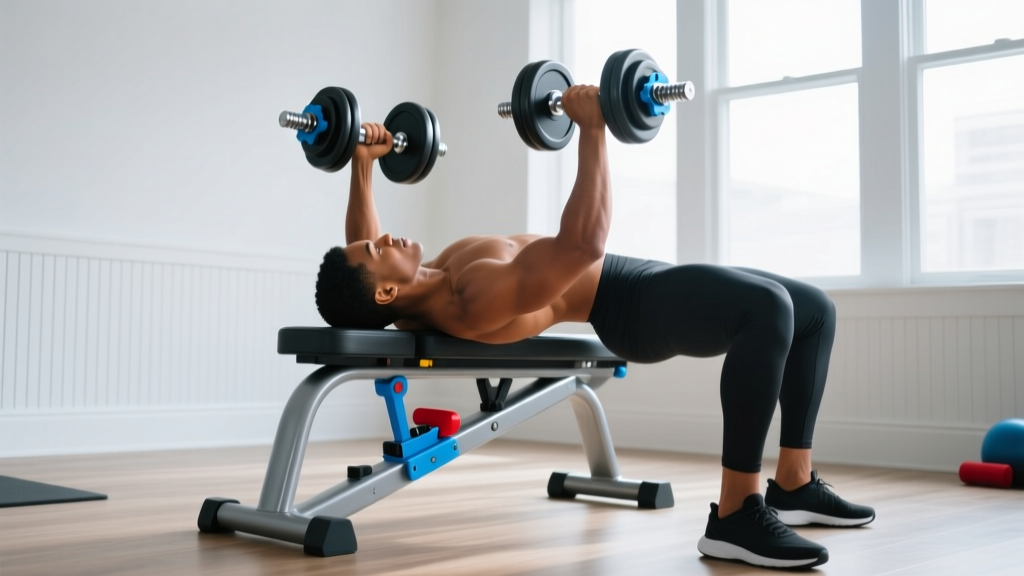
Troubleshoot the Average Dumbbell Shoulder Press: Adjustable Dumbbells
Troubleshoot your average dumbbell shoulder press with our adjustable dumbbell comparison. Fix form, clearances, and equipment limitations today.

Benchmarking Your Lift: The Average Dumbbell Shoulder Press
When evaluating your overhead strength, comparing your numbers to the average dumbbell shoulder press is a standard rite of passage. According to aggregated lifting data from Strength Level, the intermediate male lifter presses roughly 52 lbs per hand for a 1-rep max, while the intermediate female lifter averages around 28 lbs per hand. However, a massive and frequently overlooked variable in hitting or exceeding these benchmarks is the equipment you are using.
Adjustable dumbbells have revolutionized home gyms, but they introduce unique biomechanical and mechanical hurdles for overhead pressing. If your shoulder press has stalled, or if you experience anterior shoulder pain at the bottom of the movement, your adjustable dumbbells might be the culprit. This troubleshooting guide dissects the common mistakes, equipment failure modes, and structural limitations of adjustable dumbbells during overhead presses, and provides actionable solutions to fix your lift.
2026 Market Snapshot: Adjustable Dumbbell Pricing
- Nuobell 80lb Set: ~$449 (Premium compact design)
- Bowflex SelectTech 552: ~$399 (Standard bulky dial design)
- PowerBlock Elite EXP: ~$379 (Cage-style compact design)
The Biomechanical Clash: Adjustables vs. Overhead Pressing
To troubleshoot your press, you must first understand the physics of your equipment. A standard 50 lb fixed hex dumbbell measures approximately 11 inches in total length. In contrast, a dial-based adjustable dumbbell like the Bowflex SelectTech 552 maintains a static overall length of 15.75 inches, regardless of whether it is set to 10 lbs or 52.5 lbs.
This extended length creates a longer moment arm at the bottom of the shoulder press. When you lower the dumbbells to shoulder level, the bulky ends extend far past your forearms. This forces your wrists into extreme ulnar deviation or requires you to flare your elbows outward to prevent the dumbbells from colliding with your torso. According to biomechanical analyses referenced by the American Council on Exercise (ACE), excessive elbow flaring during overhead pressing drastically increases the risk of subacromial impingement and rotator cuff strain.
Common Adjustable Dumbbell Mistakes (And How to Fix Them)
Below is a troubleshooting matrix for the most frequent issues lifters face when pressing with adjustable dumbbells.
| Symptom / Failure Point | Equipment Cause | Form / Technique Fix |
|---|---|---|
| Dumbbells clash at the bottom of the press | Excessive overall handle length (e.g., 15+ inch dial models) | Adopt a neutral (hammer) grip or use a slight forward lean on an incline bench to clear the knees and torso. |
| Wrist pain or grip failure before deltoid fatigue | Thick handle diameter combined with shifted center of mass | Use lifting chalk; ensure the weight plates are fully seated; switch to a cage-style adjustable dumbbell with a shorter lever arm. |
| Dial mechanism slipping or clicking mid-rep | Dust/debris in the dial housing or returning the weight to the rack at an angle | Never drop adjustable dumbbells. Always return them to the cradle perfectly flat before adjusting the dials. |
| Asymmetrical pressing path (one arm lags) | Uneven weight distribution in older dial models; dominant arm compensating for bulky ends | Record your set from a frontal angle. Implement unilateral presses (one arm at a time) to correct stabilizer imbalances. |
2026 Adjustable Dumbbell Comparison for Shoulder Presses
Not all adjustable dumbbells are created equal when it comes to vertical pushing. Here is how the top three contenders on the market compare specifically for the shoulder press.
1. Nuobell 80 (The Biomechanical Favorite)
The Nuobell mimics the feel of a fixed hex dumbbell better than any other model. By utilizing a twist-lock handle mechanism, the overall length of the dumbbell actually decreases as you select lighter weights, and maxes out at a manageable 14.5 inches at 80 lbs. The knurled steel handle provides a secure grip, and the compact profile allows for a natural pronated (palms forward) grip without the ends clipping your forearms.
2. PowerBlock Elite EXP (The Space-Saving Workhorse)
PowerBlock’s cage design is polarizing, but for the shoulder press, it offers a distinct advantage: extreme compactness. Measuring just 12 inches long, the center of mass sits directly over the wrist joint. This minimizes stabilizer fatigue and allows you to push closer to true muscular failure. The downside? The internal cage restricts wrist extension, forcing most lifters into a semi-neutral grip. If you suffer from anterior shoulder pain, this forced neutral grip is actually highly therapeutic and recommended by physical therapists.
3. Bowflex SelectTech 552 (The Clearance Nightmare)
While excellent for floor exercises and lateral raises, the Bowflex 552 is notoriously awkward for heavy shoulder presses. The 15.75-inch length and bulky plastic end-caps mean that at the bottom of the press, the weights often collide with each other or your shoulders. Troubleshooting tip: If you own the 552s and struggle with the shoulder press, switch to a seated neutral-grip press or perform the movement on a 75-degree incline bench to create artificial clearance for the long handles.
Step-by-Step Troubleshooting for Stalled Progress
If you are stuck below the average dumbbell shoulder press standards, follow this 4-step diagnostic protocol during your next workout:
- Audit Your Clean: Getting heavy adjustables into the starting position is a lift in itself. Dial-based dumbbells have fragile base plates. Do not 'kick' them up with your knees aggressively, as the impact can shatter the internal locking tabs. Instead, use a controlled, two-handed scoop clean to rack them at your shoulders.
- Check Scapular Upward Rotation: Adjustable dumbbells often feel heavier at the lockout due to the shifted center of gravity. Ensure you are allowing your scapulae to upwardly rotate at the top of the press. Pinning your shoulder blades down (a common cue for bench pressing) will cause impingement during overhead work.
- Modify the Eccentric: Because the long handles of adjustables increase torque at the bottom position, slow your eccentric (lowering) phase to 3 seconds. This builds the specific connective tissue strength required to stabilize the awkward lever arm of an adjustable dumbbell.
- Evaluate Grip Width: With fixed dumbbells, you can press them close together over your face. With 15-inch adjustables, you must press in a slightly wider arc. Visualize pushing the weights 'up and slightly out' to form a Y-shape at the top, rather than forcing them to touch, which risks dropping a heavy dial-mechanism on your forehead.
Expert Insight: 'The primary reason home-gym athletes fail to progress on the shoulder press is not a lack of deltoid strength, but a lack of stabilizer endurance caused by the awkward lever arms of budget adjustable dumbbells. Upgrading to a compact model or incorporating kettlebell presses can immediately break through this plateau.' — Biomechanics & Strength Conditioning Review, 2025
When to Abandon Adjustables for Overhead Work
There is a ceiling to what adjustable dumbbells can safely provide. If your shoulder press exceeds 70 lbs per hand, the structural integrity of dial-based locking mechanisms becomes a genuine safety hazard. The internal plastic gears and metal retaining clips are rated for vertical drops, but the lateral torque applied during a heavy, grinding shoulder press rep can cause premature wear.
Furthermore, if you are training for pure hypertrophy and require drop-sets on the shoulder press, the 5-to-10 second delay required to adjust the dials on a Bowflex or Nuobell will kill your metabolic stress and time-under-tension. For advanced lifters pressing well above the average dumbbell shoulder press metrics, investing in a dedicated pair of fixed urethane hex dumbbells (in 50, 60, and 70 lb increments) is the ultimate troubleshooting step to ensure safety, ergonomics, and unbroken intensity.
Final Verdict
Hitting or surpassing the average dumbbell shoulder press requires a synergy of raw strength, joint mobility, and equipment compatibility. By recognizing the biomechanical limitations of your adjustable dumbbells—specifically handle length, weight distribution, and mechanism fragility—you can alter your grip, adjust your bench angle, and troubleshoot your form to safely press heavier loads. Evaluate your current gear against the 2026 market standards, prioritize compact designs for overhead work, and never let awkward equipment be the reason your shoulders stop growing.
More gear to consider
All reviews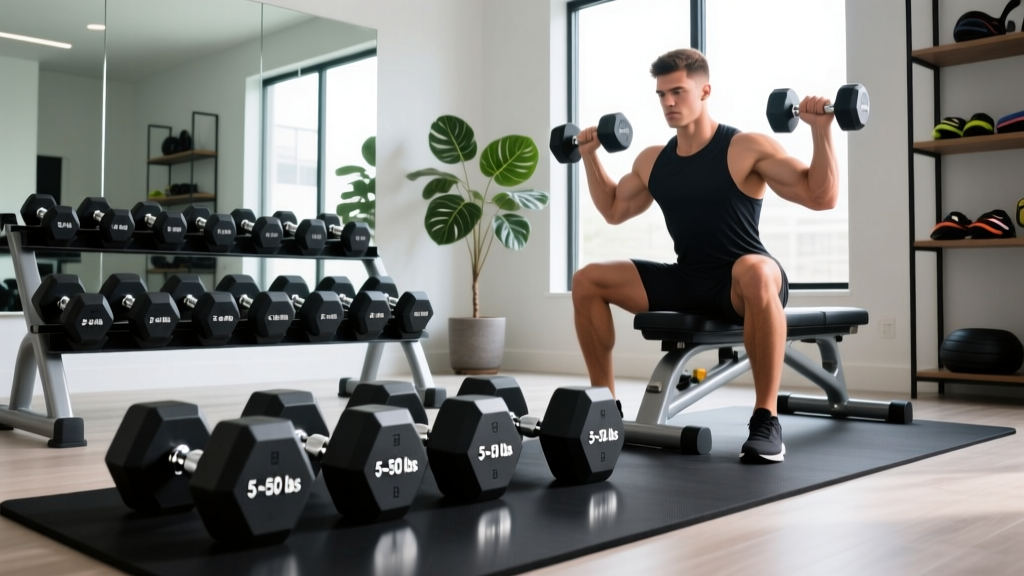
How Heavy Are the Dumbbells You Lift? Form Over Fitness Video Hype
Kettlebell Trends 2026: Beyond Gym Exercises With Dumbbells

EZ vs Straight Bar for a Beginners Dumbbell Workout Program
Barbell Collar vs Clamp Types for the Lat Focused Dumbbell Row

Space Layout: Cast Iron vs Competition Kettlebells & 1090 Dumbbells
