Things to Do with a Dumbbell vs Barbell: Collar Guide
Explore things to do with a dumbbell vs barbell training, plus our in-depth comparison matrix of barbell collar and clamp types for safe, heavy lifting.

The Progression: From Things to Do with a Dumbbell to Heavy Barbell Work
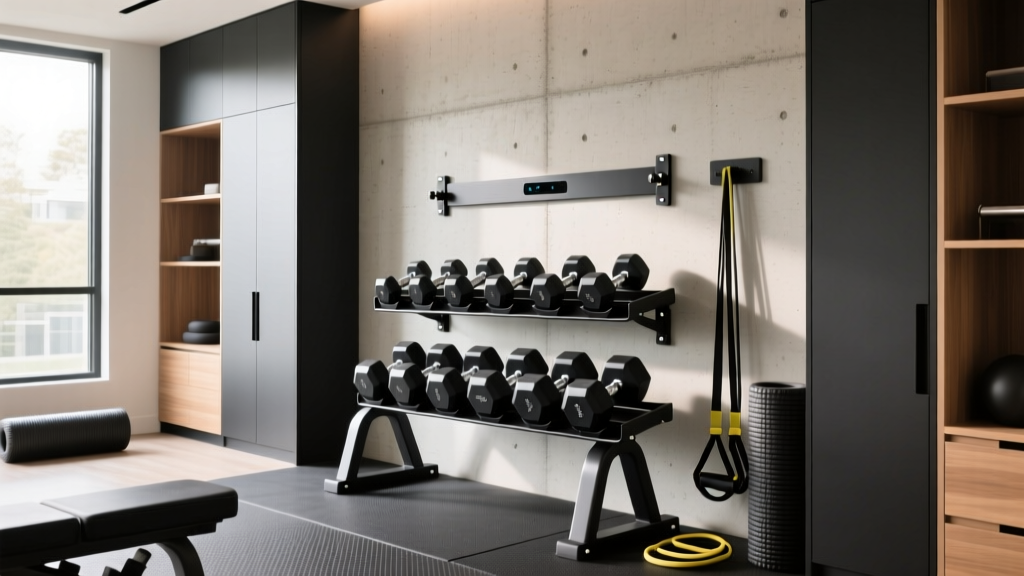
When outfitting a home gym, most athletes begin by mastering the myriad things to do with a dumbbell. From goblet squats and Bulgarian split squats to Renegade rows and heavy dumbbell floor presses, adjustable and hex dumbbells offer unparalleled unilateral versatility. However, as your strength progresses, the physical limitations of dumbbells become apparent. Gripping a 120-pound dumbbell for heavy Romanian deadlifts or stabilizing 100-pound bells for squats taxes your grip and central nervous system long before your target muscle groups reach true failure.
This is the exact inflection point where lifters transition to the barbell. But moving to a 20kg (44lb) Olympic barbell introduces a new, often overlooked variable in home gym safety and performance: how you secure the plates. In 2026, the market is flooded with barbell collars and clamps, ranging from $5 spring clips to $70 competition-grade lever locks. Choosing the wrong collar doesn't just risk plates sliding off during a lift; it can alter barbell whip, damage your expensive barbell sleeves, and ruin your workout flow.
Why Your Barbell Collar Choice is a Critical Safety Variable
A standard Olympic barbell sleeve is 50mm in diameter and typically 16.3 inches (415mm) long. The collar you choose must provide enough lateral clamping force to counteract the inertia of heavy bumper plates dropping from overhead or the violent 'whip' of a heavy deadlift pull. Furthermore, the physical width of the collar eats into your loadable sleeve space. A bulky clamp might cost you an entire 10lb plate's worth of real estate on each side.
⚠️ Safety Callout: The Decline Bench HazardThe most common failure point for cheap collars occurs during declined bench presses or steep incline movements. Gravity constantly pulls the plates against the collar. If the clamping force is insufficient, the collar will slowly inch toward the end of the sleeve, potentially dumping plates onto your face or neck. Never use standard spring collars for declined movements.
Comprehensive Barbell Collar & Clamp Comparison Matrix
Below is our 2026 testing matrix comparing the most prevalent collar types on the market, evaluating them on clamping force, sleeve real estate, and ideal use cases.
| Collar Type | Avg. Price (Pair) | Weight Per Collar | Sleeve Width Used | Best For | Failure Risk |
|---|---|---|---|---|---|
| Spring Clip | $5 - $9 | ~0.05 lbs | 0.5 inches | Light accessory work, empty bar warmups | High (Drops/Whip) |
| Clamp (e.g., Rogue HG 2.0) | $11 - $18 | ~0.18 lbs | 1.2 inches | General powerlifting, home gyms, CrossFit | Low |
| Lever / IWF-Approved | $55 - $75 | 2.5 kg (Pair) | 1.5 - 2.0 inches | Olympic weightlifting, heavy drops, competition | Near Zero |
| Spin-Lock (Threaded) | $10 - $20 | ~0.5 lbs | 1.0 inches | Standard 1-inch bars, budget home setups | Low (but slow to use) |
Deep Dive: 4 Primary Collar Types Analyzed
1. Spring Collars (The False Economy)
Spring collars are the default inclusion with most budget barbell sets. Constructed from coiled steel wire with plastic or rubber grips, they rely on tension to stay on the sleeve. While they are incredibly fast to apply and remove, their clamping force degrades rapidly. According to extensive durability testing by BarBend, spring collars frequently lose their tension after 6 to 12 months of regular use, especially when dropped on rubber flooring. Verdict: Keep a pair for quick empty-bar warmups or light lateral raises, but never trust them with heavy bilateral compounds.
2. Clamp-Style Collars (The Home Gym Standard)
Clamp collars utilize a high-strength polymer or aluminum body with an internal rubberized gasket and a lever-action locking mechanism. The Rogue HG 2.0 Collars remain the gold standard in this category for 2026. Priced around $11.50 per pair, they feature a glass-filled nylon body that resists cracking under extreme temperatures, and their 1.2-inch profile leaves maximum room for plates. The internal rubber pad grips the steel sleeve tightly without marring zinc or cerakote finishes. Edge Case: If you use bare steel sleeves that have developed rust, clamp collars can struggle to seal properly; always keep your sleeves wiped down with 3-in-One oil.
3. Lever & IWF-Approved Collars (The Elite Tier)
For Olympic weightlifters performing heavy cleans and snatches, the barbell undergoes violent oscillation. Standard clamps can occasionally pop open if struck by a bouncing bumper plate. Lever collars, like the Eleiko Olympic Training Collars, use a heavy-duty metal cam lever that physically crushes the collar housing against the sleeve. Per the International Weightlifting Federation (IWF) Technical Rules, competition collars must weigh exactly 2.5 kg each to standardize the total load on the bar. While they cost upwards of $65 and take up more sleeve space, they offer absolute zero-slip security for maximum effort drops from overhead.
4. Spin-Lock and Threaded Collars (The Niche Use-Case)
Spin-lock collars are primarily found on 1-inch standard bars or specialized curl bars. They thread onto the grooved end of the sleeve. While virtually impossible to shake loose, they are painfully slow to load and unload. In a modern 50mm Olympic barbell ecosystem, threaded collars are largely obsolete unless you are using a specialized deadlift jack or specific safety squat bar attachments that require threaded ends.
Real-World Failure Modes & Edge Cases
Even the best gear fails if used incorrectly. Here are the most common edge cases we see in home gyms:
- The 'Cerakote Slip': Ceramic-coated barbells have a slightly smoother, more polished sleeve finish than bare steel or hard chrome. Some budget clamp collars with hard plastic interiors will slide right off a Cerakote sleeve during a heavy deadlift drop. Always ensure your clamp has a dedicated rubberized internal gasket.
- Bumper Plate Bevels: Competition bumper plates have a recessed steel hub. If you are loading fractional plates (e.g., 0.5kg tech plates) on the outside of the bumpers, the collar might clamp against the raised rubber edge rather than the steel sleeve, resulting in a dangerous false-lock. Always load tech plates inside the bumpers, directly against the barbell shoulder.
- Temperature Swelling: If your garage gym experiences freezing winters, polymer clamp collars can become brittle. Glass-filled nylon handles sub-zero temperatures far better than standard ABS plastics, which can shatter if dropped on concrete in 30°F weather.
Expert Insight: 'Your collar is the unsung hero of barbell longevity. Plates that slide laterally during a squat act like sandpaper against the inner barbell shoulder, eventually grinding down the sleeve retention rings and causing the sleeve to detach from the shaft. A $12 clamp collar saves you from a $300 barbell replacement.'
Final Verdict: Matching the Collar to Your Training Style
While exploring the many things to do with a dumbbell is a fantastic foundation for any fitness journey, transitioning to heavy barbell work requires a commitment to safety and equipment integrity. For 90% of home gym owners, a high-quality clamp-style collar like the Rogue HG 2.0 or Lock-Jaw Pro offers the perfect intersection of speed, security, and sleeve real estate. Reserve your budget for premium lever collars only if your training heavily features Olympic lifts or if you are strictly adhering to competition standards. Ditch the spring clips, protect your barbell sleeves, and lift with absolute confidence.
More gear to consider
All reviews
2026 Rack Trends: Storage for Single Dumbbell Exercises for Back

Past the Heaviest Dumbbell Curl: Bumper vs Iron Plate Value Guide

Olympic Barbell Buying Guide: Weight, Knurling & Matrix Dumbbells

Optimizing Gym Layouts: Storage for a Dumbbell Calf Workout

Best Neoprene Dumbbells for Dumbbell Resistance Training (2026)