
The Best Dumbbell Step Up Substitute: 2026 Loadable Dumbbell Trends
Discover why loadable dumbbell handles are the top dumbbell step up substitute in 2026. We analyze market trends, pricing, and heavy unilateral loading.

The 2026 Shift: Why Home Gyms Are Ditching Fixed Dumbbells for Unilateral Work
As we navigate the 2026 fitness equipment market, a distinct shift is occurring in how home gym owners approach heavy unilateral leg training. For years, the gold standard for movements like the Bulgarian split squat and the step-up was a full rack of fixed urethane or rubber hex dumbbells. However, with inflation and supply chain shifts stabilizing into a new normal, the cost per pound of premium fixed dumbbells has settled at a steep $2.50 to $3.50 per pound. Outfitting a gym with pairs ranging from 40 to 100 pounds now requires an investment well over $3,000, not to mention the 8 to 12 feet of linear wall space required for a commercial-grade rack.
This economic and spatial reality has driven a massive surge in the popularity of the loadable dumbbell with interchangeable plates. These Olympic and standard-gauge handles allow lifters to utilize the bumper and iron plates they already own for barbell work, transforming them into heavy, unilateral tools. But how does this equipment trend intersect with specific exercise programming? Specifically, how does a loadable handle serve as the ultimate dumbbell step up substitute when traditional fixed weights become impractical?
Redefining the 'Substitute': Implement vs. Exercise
When athletes and coaches search for a dumbbell step up substitute, the immediate assumption is that they are looking for an alternative exercise—such as swapping the step-up for a reverse lunge or a leg press. However, from a market analysis and equipment design perspective, the most valuable substitute is often an alternative implement that allows the athlete to continue performing the exact movement pattern without the financial or spatial burden of fixed weights.
The dumbbell step-up is a highly demanding unilateral movement that targets the quadriceps, gluteus maximus, and hamstrings while challenging frontal plane stability. To drive hypertrophy and strength adaptations in advanced lifters, loads frequently need to exceed 50 to 70 pounds per hand. This is precisely where the loadable dumbbell handle steps in as the premier equipment substitute for the fixed hex dumbbell.
Biomechanics and the 'Profile Problem'
Transitioning from a compact, fixed hex dumbbell to a loadable Olympic handle introduces a unique biomechanical variable: plate profile and knee clearance. A standard 45-pound bumper plate has a diameter of 450mm (17.7 inches). If you are performing step-ups on a standard 16-inch plyo box, a loadable dumbbell loaded with full-sized bumpers will scrape the floor or clash against your knee at the bottom of the eccentric phase.
Expert Insight: The Fractional Plate SolutionTo use a loadable dumbbell as a viable step-up implement, advanced lifters in 2026 are increasingly purchasing sets of 10lb and 15lb 'technique' bumper plates (which have smaller diameters, typically 10-14 inches) or using steel change plates. This maintains the heavy load while reducing the physical footprint of the dumbbell, ensuring clean clearance during deep knee flexion.
Market Analysis: Top Loadable Dumbbell Models (2026 Pricing & Specs)
The market for loadable dumbbell handles has matured significantly. Early iterations suffered from poor sleeve threading and cheap plastic collars. Today's market leaders offer machined steel, precise tolerances, and ergonomic grips. Below is a comparative analysis of the top three loadable dumbbell handles dominating the home gym sector this year.
| Brand / Model | Price (Pair) | Sleeve Length | Handle Diameter | Max Load Capacity |
|---|---|---|---|---|
| Rogue Fitness Loadable Dumbbell | $125.00 | 15.75 inches | 28.5 mm | ~120 lbs (using bumpers) |
| Titan Fitness Loadable Handle | $89.99 | 11.80 inches | 32.0 mm | ~85 lbs (using bumpers) |
| Yes4All Olympic Loadable Handle | $45.99 | 10.00 inches | 28.0 mm | ~60 lbs (using bumpers) |
Edge Cases and Failure Modes During Heavy Step-Ups
While loadable dumbbells are an exceptional substitute for fixed weights, they introduce specific mechanical failure modes that lifters must manage, particularly during the dynamic stabilization required for step-ups.
1. The 'Sleeve Spin' and Collar Security Issue
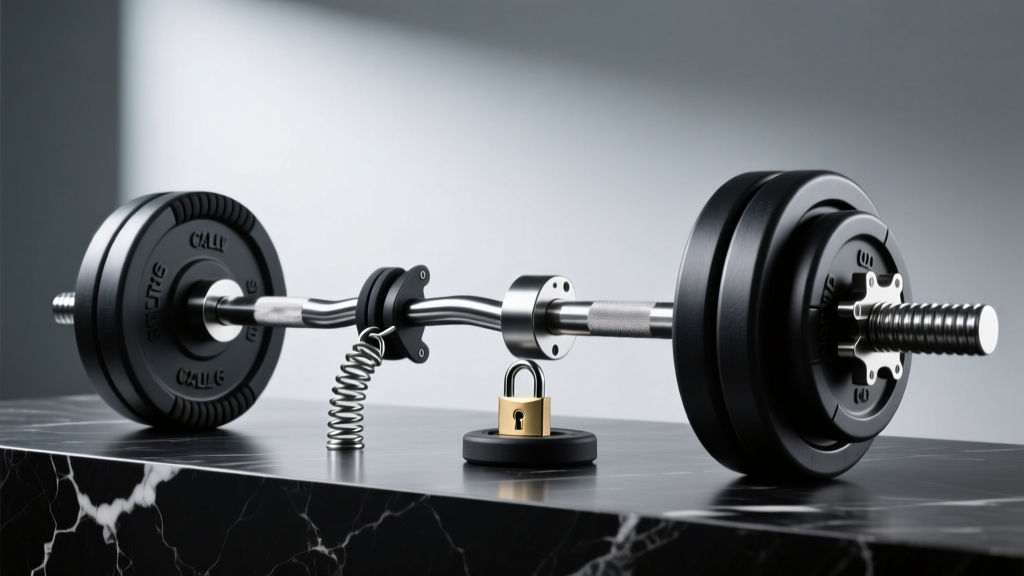
Olympic loadable dumbbell handles feature rotating sleeves designed to reduce torque during explosive movements like snatches or cleans. However, during a heavy, slow-tempo step-up, this rotation can become a liability. If you are using standard 1-inch spring collars, the lateral force of the plates shifting against the collar during the eccentric lowering phase can cause the collar to pop off, resulting in a dangerous plate dump.
- The Fix: Abandon spring collars for unilateral leg work. Invest in machined aluminum clamp collars (like the Rogue HG 2.0 or OSO Barbell collars) which exert over 150 lbs of clamping force per collar, completely neutralizing sleeve spin and lateral plate shift.
- Alternative: Opt for handles with integrated spin-lock threading (common in standard 1-inch gauge handles), though these are slower to load and unload between working sets.
2. Grip Fatigue Preceding Leg Failure
Fixed hex dumbbells typically feature contoured, knurled handles that taper to fit the natural curve of a closed grip. Loadable Olympic handles are essentially straight steel bars, often measuring 28mm to 32mm in diameter. Holding a 70-pound loadable dumbbell by your side for a set of 12 step-ups requires immense grip endurance. In many cases, the lifter's grip will fail before their quadriceps do.
Market Trend: To combat this, 2026 has seen a rise in lifters pairing loadable dumbbells with specialized lifting straps equipped with quick-release magnetic clasps, allowing for rapid securing of the implement to the wrist without sacrificing time under tension.
Cost-Benefit Framework: Fixed Rack vs. Loadable System
To truly understand why the loadable dumbbell is the ultimate dumbbell step up substitute from a purchasing perspective, we must look at the hard data. Below is a cost-benefit breakdown for a home gym owner looking to perform step-ups with loads ranging from 40 lbs to 80 lbs per hand in 2026.
Fixed Urethane Dumbbells
- 40 lb Pair: $240
- 50 lb Pair: $300
- 60 lb Pair: $360
- 70 lb Pair: $420
- 80 lb Pair: $480
- Total Investment: $1,800
- Space Required: 3-Tier Rack (4 ft wide)
Loadable Handle System
- Rogue Loadable Handles (Pair): $125
- Existing 45lb Bumper Plates (x4): $0 (Already owned for barbell)
- 10lb Technique Bumpers (x4): $160
- Premium Aluminum Collars: $45
- Total Investment: $330
- Space Required: 1 square foot (stored on plate tree)
The financial data is undeniable. By utilizing a loadable dumbbell system, the home gym owner saves nearly $1,470 and reclaims valuable floor space, all while achieving the exact same progressive overload stimulus for the step-up movement.
Final Verdict for 2026 Home Gym Builders
The narrative surrounding unilateral leg training is evolving. While the biomechanics of the step-up remain a cornerstone of athletic development and hypertrophy, the tools we use to execute it no longer need to be confined to expensive, space-hogging fixed racks. The loadable dumbbell with interchangeable plates has matured into a premium, highly versatile piece of equipment.
By understanding the nuances of plate profile clearance, upgrading to high-tension clamp collars, and leveraging the plates you already own, a loadable handle transcends its role as a mere budget alternative. In the 2026 market, it stands as the most intelligent, scalable, and cost-effective dumbbell step up substitute available for the serious home gym enthusiast.
More gear to consider
All reviews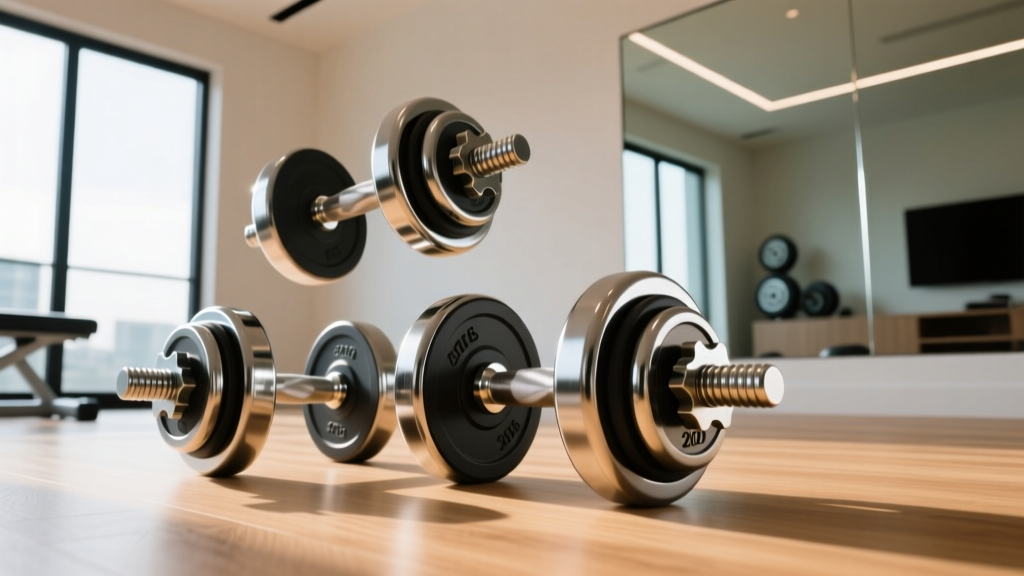
Best Adjustable Dumbbells for Boxing Exercises (2026)

Value Analysis: Loadable Dumbbells for Dumbbell Chest Press Exercises
Barbell Collars vs Clamps: Beyond Push Pull Legs Dumbbells
Maintain Loadable Dumbbells for Chest Exercises Without a Bench
EZ Curl Bar vs Straight Bar: Layouts and Proper Dumbbell Row Form
