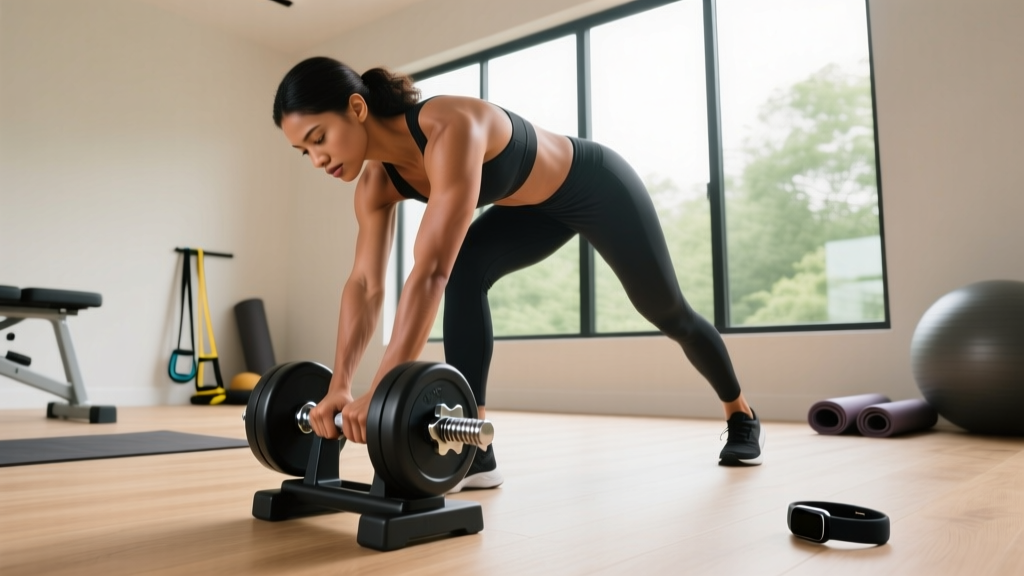
Dumbbell Row Muscles Targeted: Top Neoprene Dumbbells Compared
Discover the exact dumbbell row muscles targeted and compare the best neoprene dumbbells for home use to maximize back gains and grip endurance.

The Biomechanics: Dumbbell Row Muscles Targeted
Before evaluating the equipment, we must understand the movement. The single-arm dumbbell row is a foundational horizontal pull, but many home gym owners inadvertently turn it into a bicep curl or a lower-back strain. According to biomechanics data from ExRx, the primary movers and stabilizers are highly specific.
- Latissimus Dorsi (Primary): The broad muscle of the mid-back responsible for shoulder extension and adduction.
- Rhomboids & Middle Trapezius (Synergists): Crucial for scapular retraction at the peak of the movement.
- Posterior Deltoid (Synergist): Assists in horizontal abduction as the elbow drives past the torso.
- Biceps Brachii & Brachialis (Dynamic Stabilizers): Assist in elbow flexion but should not dominate the lift.
- Erector Spinae & Core (Isometric Stabilizers): Maintain a neutral spine against the rotational pull of the unilateral load.
Why Neoprene? The Grip-Fatigue Connection
When training the back, grip strength is often the limiting factor. The National Strength and Conditioning Association (NSCA) frequently highlights that grip failure can prematurely terminate a set before the target back muscles reach mechanical failure. This is where neoprene-coated dumbbells shine in a home gym environment.
Neoprene (polychloroprene) is a synthetic rubber that offers a slightly tacky surface texture. Unlike bare knurled steel or smooth cast iron, a 3mm to 5mm neoprene coating increases the friction coefficient between your palm and the handle. This allows you to maintain a secure hold on heavy loads (e.g., 50+ lbs) during high-rep rows without relying heavily on chalk or lifting straps, protecting your home gym floors and reducing callous tearing in the process.
Head-to-Head Comparison Matrix (2026 Market)
Not all neoprene is created equal. The market has shifted in 2026, with manufacturers refining their dipping processes to prevent the 'sticky degradation' that plagued older models. Below is a direct comparison of the top three neoprene dumbbells for home use, specifically evaluated for rowing mechanics.
| Feature | CAP Barbell Neoprene Hex | Yes4All Contoured Neoprene | BalanceFrom GoFit Hex |
|---|---|---|---|
| Avg. Price (2026) | $1.60 - $1.90 / lb | $1.30 - $1.60 / lb | $1.00 - $1.25 / lb |
| Handle Design | Straight, 35mm diameter | Ergonomic contour, 38mm | Straight, 34mm diameter |
| Coating Thickness | ~4mm (Dense) | ~5mm (Soft-touch) | ~3mm (Thin) |
| Rowing Grip Rating | 8.5 / 10 | 9.5 / 10 | 7.0 / 10 |
Product Deep Dives: The Contenders
1. CAP Barbell Neoprene Hex (The Durability Pick)
CAP Barbell remains a stalwart in the home fitness industry. Their neoprene hex dumbbells feature a solid cast-iron core that is chemically bonded to the outer layer. For the dumbbell row, the 35mm handle diameter is ideal for users with smaller to average hands, allowing for a tight, secure wrap.
Pros: Exceptional drop resistance; the hex shape prevents rolling when you set the weight down between sets of rows. The dense neoprene formula resists sweat-induced breakdown better than budget alternatives.
Cons: The straight handle lacks ergonomic contouring, which can cause localized pressure points on the palm during heavy 8-12 rep max rows.
2. Yes4All Contoured Neoprene (The Ergonomic Pick)
Yes4All has dominated the online space by offering high-value ergonomics. Their contoured handle features a slight hourglass curve and a thicker 38mm grip. When performing unilateral rows, this curvature naturally aligns with the closed fist, distributing the load across the entire palmar fascia rather than just the finger joints.
Pros: Superior grip comfort for high-volume hypertrophy blocks; color-coded end caps for rapid weight selection in a busy home gym.
Cons: The softer neoprene compound is more susceptible to fingernail gouging and can become slightly tacky if exposed to direct UV light over several years.
3. BalanceFrom GoFit Neoprene (The Budget Pick)
If you are outfitting a home gym on a strict budget, BalanceFrom offers the lowest price-per-pound ratio. However, the 3mm coating is noticeably thinner, and the seam where the handle meets the hex head is a known failure point if the dumbbell is repeatedly dropped on hard surfaces.
Pros: Highly affordable; excellent for lighter, high-rep endurance rows (15+ reps) targeting the rear delts and rhomboids.
Cons: Thin coating provides less friction; handle diameter is narrow, which can cause grip fatigue to set in faster during heavy lat-focused rows.
Execution Guide: Maximizing Lat Activation
Owning the right equipment is only half the battle. To ensure the correct dumbbell row muscles targeted are actually doing the work, follow this step-by-step execution protocol endorsed by ACE Fitness guidelines for unilateral back training:
- The Stance: Place your non-working knee and hand on a flat bench. Your working foot should be planted wide on the floor, creating a stable triangular base to resist rotational forces.
- The Hinge: Keep your torso parallel to the floor. A neutral spine is non-negotiable; do not let the working shoulder droop toward the floor at the bottom of the movement.
- The Pull: Initiate the movement by depressing the scapula (pulling the shoulder blade down), then drive the elbow back toward your hip pocket. Imagine trying to touch your hip with the dumbbell, not your armpit.
- The Eccentric: Lower the weight over a full 2-3 seconds. The stretch at the bottom is where significant muscle damage (and subsequent growth) occurs in the latissimus dorsi.
Neoprene Maintenance & Failure Modes
Home gym owners often neglect equipment maintenance. Neoprene is a porous material that absorbs sweat, oils, and dead skin. Over time, the lactic acid and salts in sweat can break down the polymer chains, leading to a sticky, degrading surface.
Pro-Tip: Never use bleach, alcohol-based solvents, or harsh degreasers on neoprene dumbbells. These chemicals strip the protective outer seal. Instead, wipe them down weekly with a microfiber cloth dampened with a mild dish soap and warm water solution.
If your dumbbells have already become sticky, a light application of talcum powder or a specialized rubber restorer can temporarily revive the surface friction, though replacement is the only permanent fix for advanced polymer degradation.
Final Verdict: Which Neoprene Dumbbell Wins?
When analyzing the intersection of grip endurance, biomechanical alignment, and long-term durability for the dumbbell row, the Yes4All Contoured Neoprene takes the top spot for most home gym users in 2026. The ergonomic handle directly mitigates grip fatigue, allowing the lats and rhomboids to reach true failure before the forearms give out. However, if your training style involves dropping weights frequently or you prefer a firmer, denser grip, the CAP Barbell Neoprene Hex remains an incredibly reliable, close-second investment.
More gear to consider
All reviews
Barbell Collar & Clamp Types Comparison: Lifting to Dumbbell Pilates

Bumper Plate vs Iron Plate Comparison: 2026 Market Trends for Squats and Dumbbell Side Lateral Raises

Beyond the Dumbbell Leg Routine: Olympic Barbell Knurling Compared

Are 20 Pound Dumbbells Good for Building Muscle? The Loadable Fix

Beyond Workouts Using Dumbbells Only: 2026 Kettlebell Trends