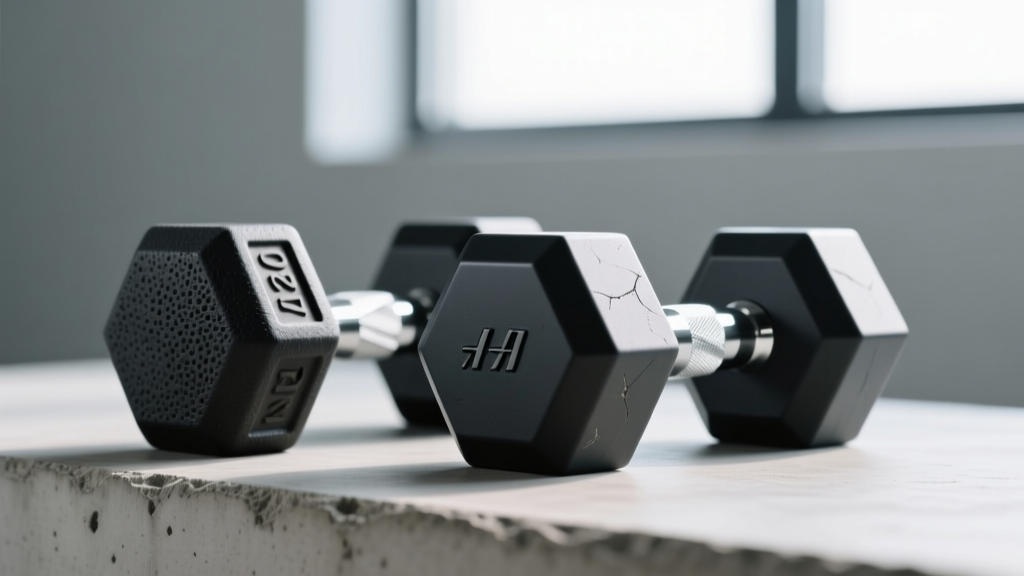
Rubber vs Urethane: Analyzing Dumbbell Images for Wear
Learn how to spot early wear by analyzing dumbbell images. Compare rubber hex vs urethane maintenance, cleaning protocols, and longevity tips.

The Visual Science of Dumbbell Degradation
When outfitting a home gym or managing a commercial facility in 2026, the debate between rubber hex dumbbells and urethane dumbbells usually centers on upfront costs and odor. However, as a domain expert in fitness equipment longevity, I evaluate these materials through a different lens: structural degradation and maintenance overhead. One of the most effective, yet underutilized, methods for tracking equipment health is capturing and analyzing high-resolution dumbbell images over time. By documenting your equipment with macro photography and raking light, you can identify micro-fissures, adhesive separation, and chemical breakdown months before a catastrophic failure occurs.
Rubber and urethane react entirely differently to environmental stressors like UV exposure, ozone, sweat acidity, and mechanical abrasion. Understanding these molecular differences is the first step toward implementing a maintenance protocol that maximizes your investment. Below, we break down the material science, visual diagnostics, and exact care routines required to keep both types of dumbbells in peak condition.
Material Breakdown: Rubber Hex vs. Urethane
To understand how to maintain your weights, you must understand what they are made of. According to Gallagher Corporation's polymer analysis, natural and synthetic rubbers rely on vulcanization—a chemical process that cross-links elastomers. Urethane, specifically Thermoplastic Polyurethane (TPU) used in premium fitness gear, is a block copolymer that offers superior resistance to oxidation and abrasion. This fundamental difference dictates their respective lifespans and failure modes.
| Feature | Rubber Hex (e.g., CAP, Rogue Rubber) | Urethane (e.g., Rep Fitness, Eleiko) |
|---|---|---|
| Average 2026 Cost | $1.65 - $2.10 / lb | $3.25 - $4.50 / lb |
| UV & Ozone Resistance | Low (Prone to dry rot) | High (Inherently stable) |
| Moisture Permeability | Moderate (Can trap moisture at core) | Negligible (Fully impermeable) |
| Primary Failure Mode | Head separation, edge crumbling | Cosmetic yellowing, deep gouging |
| Expected Lifespan | 3 - 7 Years (Heavy Use) | 15+ Years (Heavy Use) |
Visual Diagnostics: Reading Dumbbell Images for Early Warning Signs
Overhead gym lighting is notoriously bad for inspecting equipment. To properly assess wear, take close-up dumbbell images using your smartphone's macro lens or standard camera with the flashlight positioned at a 45-degree angle. This 'raking light' technique casts microscopic shadows, revealing texture anomalies that are invisible to the naked eye under ambient light.
Warning Signs in Rubber Hex Dumbbells
- The Collar Bulge: Look closely at the junction where the steel handle meets the rubber head. If your dumbbell images show a slight bulging or stretching of the rubber near the steel collar, moisture has breached the seal. The steel core is oxidizing (rusting), and because iron oxide expands, it will eventually split the rubber head from the inside out.
- Chalking and Micro-Fissures: Synthetic rubber leaches plasticizers over time. If you see a white, chalky residue or a web of tiny cracks on the flat edges of the hex, the rubber is suffering from UV and ozone degradation. This is commonly seen in garage gyms where weights are exposed to indirect sunlight and temperature fluctuations.
- Edge Rounding: Compare current photos to baseline images taken when the dumbbells were new. Rubber is soft and will slowly round off on the sharp hex edges from repeated drops on rubber matting, altering the stacking geometry.
Warning Signs in Urethane Dumbbells
- Chemical Staining: Urethane is nearly indestructible to physical drops, but it is vulnerable to certain harsh solvents. If your images reveal cloudy, discolored patches, someone has likely cleaned them with an ammonia-based cleaner or bleach, which breaks down the polyurethane bonds.
- Core Delamination (Rare): While the urethane itself won't crack, poor manufacturing over-molding can lead to a hollow sound when dropped. Visual inspection won't catch this, but a tactile 'fingernail test' on the seam line will reveal if the TPU is pulling away from the steel core.
Create a dedicated digital folder for your gym's equipment. On day one, take high-resolution dumbbell images of the handle knurling, the collar junction, and the edges of the heads. Repeat this process every 6 months. This visual timeline is invaluable for warranty claims, as manufacturers like Rogue and Rep Fitness require proof of improper care vs. manufacturing defects when evaluating degraded equipment.
Step-by-Step Maintenance and Cleaning Protocols
As highlighted in BarBend's comprehensive material comparison, treating urethane like rubber is a fast track to ruining expensive equipment. Here are the exact, field-tested maintenance protocols for both materials.
Rubber Hex Maintenance Routine
- Weekly Cleaning: Wipe down with a microfiber cloth dampened with a 1:10 dilution of mild dish soap (like Dawn) and distilled water. Never use Simple Green or degreasers on rubber; they strip the protective factory oils and accelerate dry rot.
- Monthly Hydration: Once a month, apply a light coat of 303 Aerospace Protectant. This polymer-safe UV blocker acts like sunscreen for your dumbbells, replenishing the surface and preventing ozone cracking. Spray it onto a cloth first, then wipe onto the rubber. Buff off the excess to prevent a slippery grip.
- Handle Care: Use a wire brush and rubbing alcohol on the bare steel handles to remove chalk and dead skin. Immediately apply a micro-drip of 3-in-One oil to the knurling to prevent flash rust, wiping it completely dry afterward.
Urethane Maintenance Routine
- Weekly Cleaning: Urethane requires zero chemical coddling. A simple wipe-down with a damp cloth and water is sufficient. For heavy sweat and chalk buildup, use a 50/50 mix of white vinegar and water. The mild acidity cuts through alkaline chalk without harming the TPU molecular structure.
- What to Avoid: Never use Magic Erasers (melamine foam) on urethane. While it might seem like a good way to remove scuff marks, melamine foam acts like 3000-grit sandpaper and will permanently dull the smooth, matte finish of premium urethane bells.
- Steel Core Care: Treat the handles exactly as you would the rubber hex dumbbells—brush, sanitize, and lightly oil the knurling.
Environmental Storage: The Invisible Killer
Where you store your dumbbells matters just as much as how you clean them. Rubber hex dumbbells are highly susceptible to thermal expansion and contraction. If stored in an unclimate-controlled garage where temperatures swing from 30°F in the winter to 100°F in the summer, the rubber will repeatedly expand and contract. Over a 3-year period, this mechanical fatigue causes the adhesive bonding the rubber to the steel core to crystallize and shatter.
'We see countless warranty claims for rubber hex heads snapping off the handle. Nine times out of ten, the user's submitted dumbbell images show the equipment stored on a concrete floor in direct sunlight, which accelerates both thermal fatigue and UV degradation.' — Equipment Warranty Technician, Commercial Fitness Supplier
Urethane Storage: Urethane is largely immune to thermal fatigue and UV damage. You can store urethane dumbbells in a humid, unheated garage for a decade, and the heads will remain perfectly intact. The only casualty will be the bare steel handles, which will rust if not oiled. Therefore, your storage environment should dictate your purchasing decision: if your gym is in a harsh, unclimate-controlled space, the premium paid for urethane is actually a cost-saving measure over replacing rubber sets every four years.
Troubleshooting Edge Cases and Repairs
Even with meticulous care, equipment takes a beating. Here is how to handle specific edge cases when your visual inspections reveal damage.
- Rubber Smell (Off-Gassing): If a new set of rubber hex dumbbells is stinking up your gym, do not use chemical sprays to mask it. Take them outside on a dry, overcast day. UV light and fresh air accelerate the off-gassing of volatile organic compounds (VOCs). Leave them out for 48 hours, then wipe with a baking soda and water solution to neutralize surface odors.
- Urethane Scuff Marks: If your urethane bells have black scuff marks from rubbing against metal racks, do not scrub them. Use a standard pencil eraser. The friction of the rubber eraser lifts the transferred metal and carbon marks off the urethane without scratching the surface.
- Loose Hex Heads: If a rubber hex head feels loose or clicks when dropped, the internal adhesive has failed. While you cannot re-bond it internally, you can drill a 1/8-inch hole through the bottom of the rubber head into the steel core and inject a high-viscosity, slow-cure marine epoxy (like JB Weld Marine). Let it cure for 48 hours, then seal the hole with black silicone caulk. This DIY fix can extend the life of a failing dumbbell by several years.
Final Verdict: Which Requires Less Maintenance?
If your primary goal is a 'buy it for life' asset that requires near-zero maintenance, urethane is the undisputed champion. The ability to simply wipe it down with water and store it in any environment without fear of UV rot or edge crumbling makes it the superior choice for serious lifters and commercial spaces in 2026. However, if you are on a strict budget and willing to commit to a monthly regimen of 303 Protectant and climate-controlled storage, rubber hex dumbbells remain a highly viable, cost-effective workhorse. By consistently capturing and analyzing your dumbbell images, you can stay ahead of the degradation curve, ensuring your free weights remain safe, functional, and visually appealing for years to come.
More gear to consider
All reviews
Kettlebell Longevity: Cast Iron vs Competition Care & What Muscle Do Dumbbell Rows Work
Cast Iron vs Competition Kettlebells & Dumbbell Pulldown Guide

Beginner Brachioradialis Workout With Dumbbells: Neoprene Guide

Olympic Barbell Guide vs Dumbbell Hamstring Curl Alternative
EZ Bar vs Straight Bar: 2026 Single Arm Dumbbell Extension Trends
