Beyond Decline Dumbbell Flyes: Cast Iron vs Competition Kettlebells
Weighing a dumbbell setup for decline dumbbell flyes against kettlebells? We break down the true cost and value of cast iron vs competition bells.

The Home Gym Budget Dilemma: Isolation vs. Ballistic Power
When allocating a $1,000 home gym budget in 2026, lifters often face a critical fork in the road. Do you invest in an adjustable FID bench and a pair of selectorized dumbbells to target specific hypertrophy movements like decline dumbbell flyes? Or do you pivot toward functional, full-body conditioning by building a versatile kettlebell arsenal? While isolation work has its place in bodybuilding, the modern hybrid athlete increasingly favors the ballistic and grind-based power that only kettlebells can provide.
If you decide to route your budget away from traditional dumbbells and toward kettlebells, you are immediately confronted with the market's biggest divide: Cast Iron vs. Competition Kettlebells. This guide breaks down the true cost-per-pound, biomechanical value, and long-term ROI of both styles, helping you maximize every dollar of your equipment budget.
The Quick Value Synthesis
Cast Iron: Best for budget-conscious lifters, general strength, and low-rep grinds (presses, squats, deadlifts). Expect to pay $1.50–$2.50 per pound.
Competition: Essential for high-rep ballistics (snatches, jerks), uniform technique scaling, and serious sport prep. Expect to pay $4.00–$6.50 per pound.
Anatomy of the Investment: What Are You Actually Paying For?
To understand the value proposition, we must look at the manufacturing differences. According to StrongFirst, the gold standard in kettlebell education, the physical dimensions of the bell dictate its use case.
Cast Iron Kettlebells
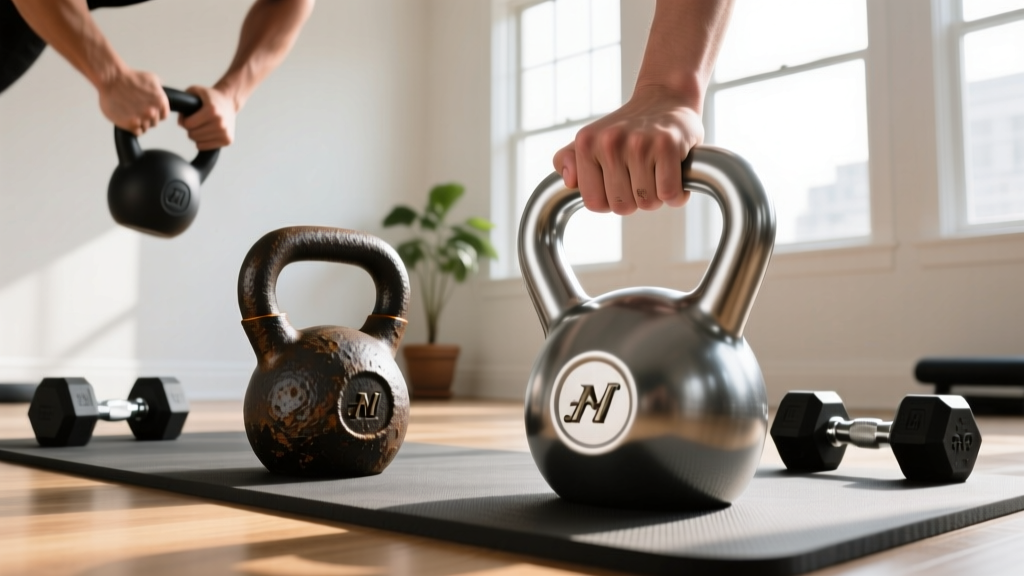
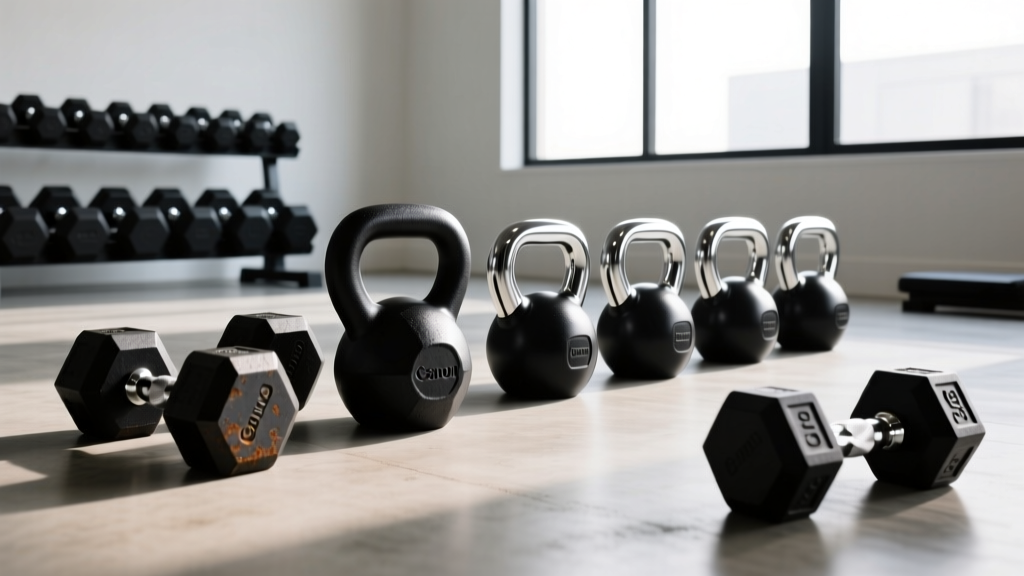
Cast iron bells are poured into molds, meaning their physical size scales with their weight. A 12kg bell is significantly smaller than a 32kg bell. The handle thickness also varies, typically ranging from 30mm on lighter bells to over 40mm on heavier ones. They are rugged, often finished with powder coating or e-coat, and represent the most economical entry point into kettlebell training.
Competition Kettlebells
Competition bells are engineered to exact International Kettlebell Sport Federation (IKSF) standards. Regardless of whether the bell weighs 8kg or 48kg, the dimensions remain identical: roughly 280mm in height, 210mm in width, and a strict 35mm handle diameter. They are constructed from a hollow steel shell, with the interior filled with a precise mixture of steel shot or sand to achieve the target weight without altering the outer volume.
2026 Cost-Per-Pound Matrix & Budget Breakdown
Let us look at the actual financial breakdown. Pricing data below reflects average market rates from premium but accessible brands like Rogue Fitness (for cast iron) and Kettlebell Kings (for competition) as of early 2026.
| Weight (kg) | Cast Iron Price (Approx.) | Competition Price (Approx.) | Price Premium |
|---|---|---|---|
| 12kg (26 lbs) | $55 - $70 | $110 - $130 | +100% |
| 16kg (35 lbs) | $75 - $95 | $140 - $165 | +85% |
| 24kg (53 lbs) | $110 - $140 | $190 - $230 | +70% |
| 32kg (70 lbs) | $160 - $200 | $260 - $320 | +60% |
Value Insight: The percentage premium you pay for competition bells actually decreases as you move up in weight. If you are a stronger lifter buying 24kg and 32kg bells, the financial gap narrows, making competition bells a increasingly logical investment for heavier lifters.
The Opportunity Cost: Isolation vs. Integration
To truly analyze value, we must compare the kettlebell purchase against the alternative. Let us revisit the decline dumbbell flyes setup. To perform this specific chest isolation movement properly, you need a high-quality decline bench ($150–$250) and a pair of 30lb–50lb dumbbells ($200–$350). Total investment: $350 to $600 for a single, highly specific movement pattern.
For that exact same $450 budget, you could purchase a matched set of 16kg and 24kg Competition Kettlebells. Instead of isolating the sternal head of the pectoralis major, you unlock hundreds of movement patterns: double kettlebell front squats, alternating snatches, Turkish get-ups, and see-saw presses. From a pure "cost-per-movement-pattern" perspective, kettlebells offer an exponential ROI over specialized dumbbell and bench setups.
Biomechanical Value: When the Premium is Justified
Why pay double for competition bells? The answer lies in biomechanics and tissue tolerance during high-volume training.
- The Rack Position: During cleans and front squats, the bell rests against the forearm. The wide, flaring horns of a cast iron bell can dig into the radial nerve and bruise the forearm during high-rep sets. Competition bells feature a compact, uniform horn design that rests flush against the body, drastically reducing impact trauma.
- The Snatch & Handle Diameter: Snatching a 32kg cast iron bell often means dealing with a handle thickness exceeding 38mm. This forces the lifter into a "crush grip" that rapidly fatigues the forearm flexors. The universal 35mm handle of a competition bell allows the lifter to hook the bell with their fingers, preserving grip endurance for 10-minute sport sets or high-rep CrossFit WODs.
- Consistency in Motor Patterning: Because competition bells are identical in size, your technique on a 12kg warm-up bell translates perfectly to a 24kg working bell. With cast iron, the changing dimensions force micro-adjustments in your swing arc and clean timing.
"If your training involves more than 50 snatches or cleans per session, the tissue damage caused by the variable dimensions of cast iron bells will eventually bottleneck your progress. The competition bell is not just a tool; it is an injury-prevention investment."
Hidden Costs: Maintenance, Flooring, and Resale Value
A true budget breakdown must account for the lifecycle of the equipment.
1. Floor Protection
Cast iron bells, especially those with rubber or urethane coatings, are somewhat forgiving if dropped. Bare steel competition bells, however, act like cannonballs. Dropping a 24kg competition bell on hardwood or standard garage concrete will cause catastrophic structural damage. You must factor in the cost of 3/4-inch horse stall mats (approx. $60–$85 per mat) to protect your flooring.
2. Coating Degradation
Cheap cast iron bells painted with glossy enamel will chip and flake within a year of outdoor or garage use, leading to rust. Powder-coated cast iron holds up better but can become slick when chalked heavily. Competition bells feature bare, polished steel handles that absorb chalk beautifully and require only occasional wiping with a wire brush and 3-in-1 oil to maintain their grip profile.
3. Resale Retention
Competition kettlebells hold their value exceptionally well. Because they are standardized for sport, a used 24kg competition bell will routinely sell for 70% to 80% of its retail price on the secondary market. Cast iron bells, being more commoditized and prone to cosmetic wear, typically recoup only 40% to 50% of their original cost.
The Final Verdict: Your Decision Framework
Use this step-by-step framework to finalize your purchase:
- Choose Cast Iron If: Your primary goals are general strength, hypertrophy, and low-rep grinds (e.g., sets of 5-8 reps). You have a strict budget, limited space, and do not plan on competing in kettlebell sport or doing high-rep ballistic conditioning.
- Choose Competition If: Your programming features high-rep snatches, cleans, and jerks. You have larger forearms that struggle with the thick handles of heavy cast iron bells, or you value the long-term resale value and uniform motor patterning of standardized equipment.
- The Hybrid Approach: Buy a heavy cast iron bell (e.g., 32kg or 40kg) for slow grinds like goblet squats and deadlifts, but invest in 16kg and 24kg competition bells for your dynamic, high-rep ballistic work.
Ultimately, whether you are walking away from the bench to abandon decline dumbbell flyes, or simply expanding your home gym's capabilities, understanding the nuanced value of cast iron versus competition kettlebells ensures your 2026 fitness budget yields maximum physical and financial returns.
More gear to consider
All reviews
Loadable Dumbbells for the Dumbbell Box Squat: 2026 Budget Guide
EZ Curl Bar vs Straight Bar & Pec Deck Fly Dumbbell Layouts

Single Arm Dumbbell Row Muscles Worked: Rack Maintenance Guide
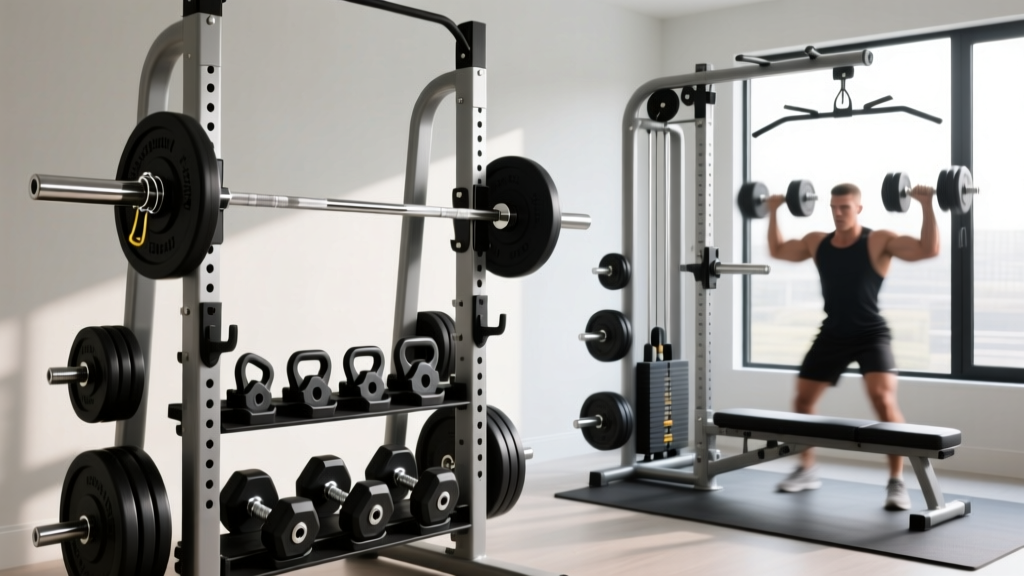
Barbell Collar Comparison & Dumbbell Overhead Press Machine Setup

Beyond Upper Arm Exercises With Dumbbells: 2026 Kettlebell Trends