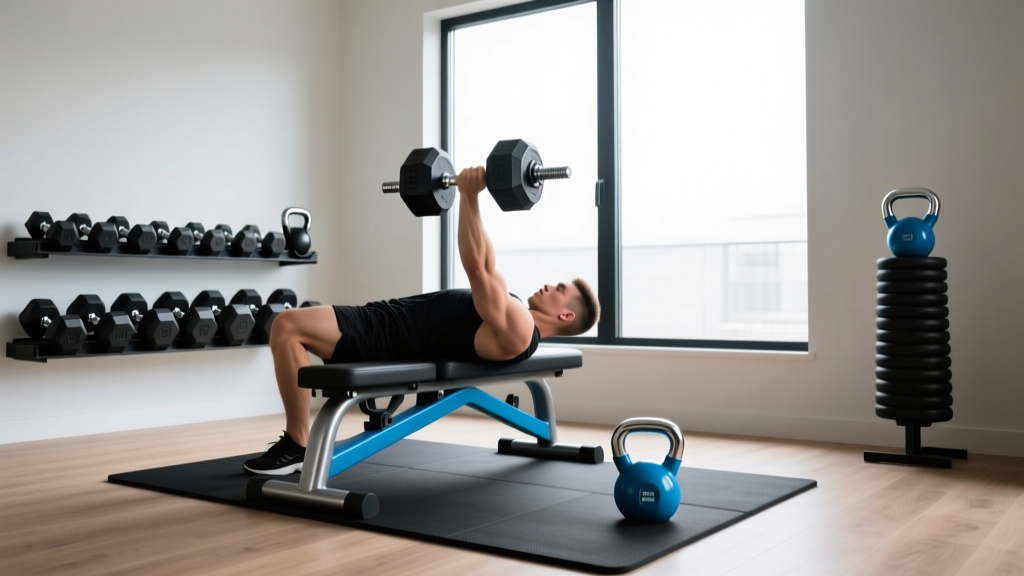
Barbell Collar and Clamp Comparison: Biceps Workouts with Dumbbells
Compare barbell collar and clamp types to prevent plate shifts. Troubleshoot common mistakes in heavy lifts and biceps workouts with dumbbells and spinlocks.

The Hidden Danger of Loose Plates: Beyond the Barbell
When lifters think of weight securing, they immediately picture heavy barbell squats or deadlifts. However, equipment failure and plate shift are equally dangerous during isolation movements. If you are performing intense biceps workouts with dumbbells using adjustable spinlock handles, or executing dynamic Olympic lifts, the collar or clamp you choose is the only thing standing between a successful set and a catastrophic injury. As of 2026, the market has evolved significantly, with glass-filled nylon and aerospace-grade aluminum replacing cheap ABS plastics and weak steel springs.
In this troubleshooting guide, we will compare the primary barbell collar and clamp types, analyze their failure modes, and address the specific mechanical stresses placed on adjustable dumbbell sleeves during supinating biceps curls.
The Physics of Plate Shift and Rotational Torque
To troubleshoot collar failures, you must understand the forces at play. According to biomechanical analyses of dumbbell curls, the supination phase of a biceps curl generates significant rotational torque through the wrist and into the dumbbell handle. If you are using standard adjustable dumbbells, this rotational force transfers directly to the sleeve and the securing nut.
On a barbell, the issue is often lateral inertia. During a drop or a rapid eccentric descent, the plates want to keep moving while the sleeve decelerates. A weak clamp will allow the plates to slide outward, creating an asymmetric load that can instantly tear a rotator cuff or cause a severe wrist sprain.
Barbell Collar and Clamp Types Comparison Matrix
Not all collars are created equal. Below is a data-driven comparison of the most common securing mechanisms available on the market today.
| Collar Type | Model Example | Avg. Price (Pair) | Holding Force | Best Application | Common Failure Mode |
|---|---|---|---|---|---|
| Spring Collar | Standard Chrome Spring | $12 - $18 | Low (10-15 lbs lateral) | Light accessory work, quick changes | Spring fatigue; slips on dusty sleeves |
| Lever Clamp | Rogue AH-1 | $45 - $55 | High (100+ lbs lateral) | Powerlifting, heavy squats, bench | Chalk buildup on the nylon latch |
| Pro Lock-Jaw | Lock-Jaw Pro V2 | $35 - $40 | Medium-High (60-80 lbs) | CrossFit, Olympic weightlifting | Plastic housing cracks in cold garages |
| Competition Collar | Eleiko Olympic | $80 - $95 | Maximum (IWF Spec) | Sanctioned meets, heavy cleans | Over-tightening damages sleeve finish |
| Spinlock Nut | CAP Barbell Cast Iron | $15 - $25 | Variable (Thread dependent) | Adjustable dumbbells, home gyms | Cross-threading from angled tightening |
Troubleshooting Heavy Barbell Lifts: Mistakes and Fixes
Mistake 1: Using Spring Collars for Dynamic Movements
Spring collars are ubiquitous in commercial gyms, but they are fundamentally flawed for dynamic movements like power cleans or snatches. The tensile strength of the steel wire degrades over time. The Fix: Reserve spring collars strictly for static or slow-tempo lifts. For any movement where the bar leaves the shoulders or is dropped to the floor, upgrade to a lever clamp like the Rogue AH-1, which utilizes a glass-filled nylon latch that resists deformation.
Mistake 2: Ignoring Sleeve Chalk and Dust Buildup
Lever clamps rely on friction against the steel sleeve. If you lift in a heavily chalked environment, a layer of magnesium carbonate builds up on the barbell sleeves, acting like a dry lubricant. The Fix: Keep a stiff nylon brush in your gym bag. Before locking down a lever clamp, give the end of the sleeve a three-second scrub. This single habit increases clamp holding force by up to 40%.
⚠️ Cold Weather Warning for Home Gyms: If your garage gym drops below 40°F (4°C) in the winter, avoid standard ABS plastic lock-jaw clamps. The plastic becomes brittle and can shatter upon impact when dropping a barbell. Opt for aluminum-bodied lever clamps or store your plastic clamps indoors until workout time.Troubleshooting Adjustable Dumbbells for Biceps Workouts
While barbell collars get all the attention, the adjustable spinlock dumbbell remains a staple for home gyms. When performing targeted biceps workouts with dumbbells, the securing mechanism faces unique rotational stresses that standard barbell collars do not.
The Supination Torque Problem
Exercises like Zottman curls or standard supinating dumbbell curls require the lifter to rotate the wrist from a pronated to a supinated position. This twisting motion transfers kinetic energy down the dumbbell handle. If the spinlock star-nut is not seated perfectly flush, this vibration and torque will gradually back the nut off the threaded sleeve mid-set.
- Symptom: You hear a metallic 'clinking' sound during the eccentric phase of your curl, indicating the plates have shifted laterally.
- Edge Case: Using smooth cast-iron plates without rubber mats exacerbates this. The vibration of iron-on-iron contact acts as a mechanical shaker, loosening poorly tightened nuts in as little as 8-10 reps.
Mistake: Cross-Threading the Star Nut
The most common reason spinlock dumbbells fail is user error during assembly. Because lifters are often fatigued or rushing between sets of biceps workouts with dumbbells, they force the star nut onto the sleeve at a slight angle. This cross-threads the zinc or chrome plating, destroying the friction required to keep the nut tight.
The Fix: Always start the spinlock nut by turning it counter-clockwise (lefty-loosey) until you feel and hear a distinct 'click' as the threads align. Only then should you begin tightening clockwise. This guarantees perfect thread engagement every time.
Mistake: Overloading 14-Inch Handles
Standard 14-inch dumbbell handles can physically fit four 10lb plates and a collar on each side. However, this leaves zero clearance for your hand to grip the handle comfortably during close-grip hammer curls, and it puts the spinlock nut at the absolute edge of the sleeve where the threading is often weakest. The Fix: If your biceps workouts with dumbbells require loads over 45 lbs per hand, upgrade to 20-inch dumbbell sleeves or transition to modular adjustable dumbbells (like Nuobell or PowerBlock) which utilize internal locking pins rather than external threaded nuts.
Step-by-Step Equipment Maintenance Protocol
To ensure your collars, clamps, and spinlock nuts perform flawlessly in 2026 and beyond, implement this bi-weekly maintenance routine:
- Degrease the Sleeves: Use a microfiber cloth dampened with isopropyl alcohol to wipe down barbell and dumbbell sleeves. This removes chalk, sweat, and oxidized metal dust.
- Lubricate the Threads: For spinlock dumbbells, apply a single drop of 3-in-One oil or lithium grease to the threads. Wipe off excess. This prevents rust-jacking, where rust expands and permanently seizes the nut to the handle.
- Inspect Nylon Latches: Check the interior of your lever clamps. If the nylon insert shows deep grooving or cracking, the clamp has lost its clamping tolerance and must be replaced immediately.
Expert Verdict
Securing your weights is not an afterthought; it is a critical component of lift safety and biomechanical efficiency. For heavy barbell work, the investment in a premium aluminum lever clamp like the Rogue AH-1 is non-negotiable. For isolation movements and biceps workouts with dumbbells using adjustable handles, mastering the counter-clockwise thread-alignment technique and understanding the rotational torque of supination will save your equipment and your joints. Treat your collars and clamps with the same respect you give your lifting program, and they will keep you safe under the iron.
More gear to consider
All reviews
Barbell Collar and Clamp Types Comparison: Beyond Dumbbell Romanian Lifts

Best Adjustable Dumbbells for the 1 Arm Dumbbell Snatch (2026)
Loadable Dumbbell Maintenance for the Dumbbell Waiter's Carry

Power Rack vs Squat Rack for the Thomas Inch Dumbbell Weight

Barbell Weight, Knurling Mistakes & Good Dumbbell Exercises for Biceps