
Cast Iron vs Competition Kettlebells & Hex Dumbbells Rack Care
Compare cast iron vs competition kettlebells for longevity. Learn coating maintenance, rust prevention, and hex dumbbells rack storage tips.

The Longevity Matrix: Cast Iron vs. Competition Kettlebells
When outfitting a home gym for the long haul, the debate between cast iron and competition kettlebells extends far beyond aesthetics or handle geometry. From a strict maintenance and longevity perspective, the material composition and coating technologies dictate how much time you will spend fighting oxidation, chipping, and base degradation. As of 2026, manufacturing standards have evolved, with electro-coat (e-coat) finishes and precision-machined steel shells becoming the industry benchmark for durability.
According to extensive durability testing by BarBend's fitness equipment analysts, the primary failure point for any kettlebell is the handle-to-bell transition and the base. Understanding the metallurgical differences between standard cast iron and hollow-core competition steel is the first step in establishing a lifelong maintenance protocol.
Expert Insight: Cast iron is porous and brittle under extreme sheer force, meaning dropped bells can micro-fracture their powder coatings. Competition bells, made from stamped and welded steel, flex microscopically upon impact, preserving their painted exteriors but risking structural weld failure if dropped repeatedly on bare concrete.Material & Coating Comparison Chart
| Feature | Standard Cast Iron | E-Coated Cast Iron | Competition Steel |
|---|---|---|---|
| Core Material | Solid Pig Iron | Solid Pig Iron | Hollow Steel Shell |
| Handle Diameter | 32mm - 35mm (Varies) | 32mm - 35mm | 33mm (Strict Standard) |
| Coating Type | Powder Coat / Paint | Electro-Deposition | Industrial Paint |
| Rust Susceptibility | Moderate (If chipped) | Low (Highly resilient) | High (At base welds) |
| Avg. Cost (2026) | $1.40 - $2.00 / lb | $2.10 - $2.80 / lb | $3.50 - $5.50 / lb |
The Chemistry of Degradation: Sweat, Chalk, and Steel
The greatest enemy of kettlebell longevity is not the impact of the floor, but the chemical reaction between human sweat, magnesium carbonate (chalk), and iron. Sweat has an average pH of 4.5 to 7.0, making it mildly acidic. When mixed with chalk, it forms a damp, abrasive paste that clings to the textured surface of powder-coated cast iron bells.
Over time, this paste traps moisture against the handle. On bare steel or poorly sealed e-coat handles, this accelerates galvanic corrosion, leading to handle pitting. Pitted handles tear calluses and degrade the tactile feedback required for high-repetition ballistic movements like snatches and cleans.
Environmental Factors: The Garage Gym Threat
If your gym is located in an unclimate-controlled garage, ambient humidity is a critical variable. Raw and e-coated iron begins to oxidize rapidly when relative humidity (RH) consistently exceeds 60%. Furthermore, concrete floors act as a moisture sponge. Through capillary action, bare concrete wicks ground moisture upward. Storing your kettlebells directly on a garage floor guarantees base rust, which eventually transfers to your flooring and degrades the bell's flat footprint.
Storage Solutions: Why Your Hex Dumbbells Rack Isn't for Kettlebells
A common mistake in garage gym space planning is attempting to consolidate storage to save square footage. Many lifters try to stack their kettlebells onto a tiered hex dumbbells rack. From a maintenance and structural longevity perspective, this is a critical error.
A standard hex dumbbells rack features sloped steel trays (typically angled at 15 to 25 degrees) designed specifically to cradle the flat, rubberized or urethane edges of hexagonal dumbbells. Kettlebells, with their spherical bodies and narrow, uneven bases, cannot sit flush on these slopes. This geometry mismatch causes two major failure modes:
- Coating Grind-Off: The kettlebell will naturally roll or tilt until its handle or base wedges against the steel lip of the rack tray. This constant steel-on-steel or steel-on-paint friction will grind away the kettlebell's protective coating, exposing the raw iron core to oxidation.
- Weld Stress and Warping: Hex dumbbells distribute weight evenly across a wide, flat tray. A 32kg (70lb) kettlebell resting on the edge of a dumbbell tray creates an off-center, concentrated point load. Over months of loading and unloading, this sheer stress can warp the rack's spot welds, compromising the structural integrity of the entire unit.
The Longevity Fix: Invest in a dedicated, flat-shelved 3-tier kettlebell tree, or use heavy-duty horizontal storage shelves with rubber matting. Reserve your hex dumbbells rack exclusively for its intended hexagonal free weights to preserve the coating on both the bells and the rack itself.
Base Flattening and Handle Care: Advanced Maintenance
Even premium cast iron kettlebells from top-tier brands can suffer from 'base wobble' due to the casting process leaving microscopic bubbles or uneven cooling ridges on the bottom. When a kettlebell wobbles during renegade rows or push-ups, the user compensates with uneven force, which can eventually lead to hairline fractures in the handle arch.
According to equipment care guidelines highlighted by Garage Gym Reviews, maintaining a perfectly flat base is essential for both user safety and equipment lifespan. If your cast iron bell rocks on a flat surface, use a metal hand file or a coarse-grit sanding block to gently level the high spots on the base rim. Never use a power grinder, as the heat can warp the thin cast iron at the base.
The Monthly Hydration Protocol (For E-Coat and Bare Steel)
If you opt for e-coated or bare steel kettlebells to enjoy a superior, chalk-friendly grip, you must commit to a hydration routine to prevent rust. Powder-coated and competition painted bells do not require this, but they must be monitored for chips.
- Step 1: The Solvent Wipe. Once a month, wipe the handle and bell body with a microfiber cloth dampened with isopropyl alcohol to strip away built-up skin oils and chalk residue.
- Step 2: The Oil Application. Apply 3 to 4 drops of mineral oil, 3-in-One oil, or a specialized barbell rust-preventative spray to a clean cloth.
- Step 3: The Buff. Vigorously buff the handle and the un-painted base rim of the kettlebell. The goal is to leave a microscopic hydrophobic barrier, not a greasy residue. If you can see streaks of oil, you have used too much.
Summary: Choosing for the Decade Ahead
Ultimately, choosing between cast iron and competition kettlebells comes down to your maintenance bandwidth. If you want a 'buy it and forget it' implement and don't mind a slightly thicker handle, a high-quality powder-coated cast iron bell is your best bet—provided you store it properly and keep it off your hex dumbbells rack. If you demand uniform sizing, precise 33mm handles, and are willing to perform monthly oiling and base inspections, competition steel bells will outlast almost any other free weight in your arsenal.
By respecting the metallurgy, managing your gym's humidity, and utilizing purpose-built storage solutions, your kettlebells will easily survive decades of high-volume ballistic abuse.
More gear to consider
All reviews
Olympic vs Standard Plates for Your Dumbbell Triceps Press
Troubleshooting Neoprene Dumbbell Bench Press Equipment Mistakes
Dumbbell Lateral Lifts: Beginner Guide for Neoprene Weights
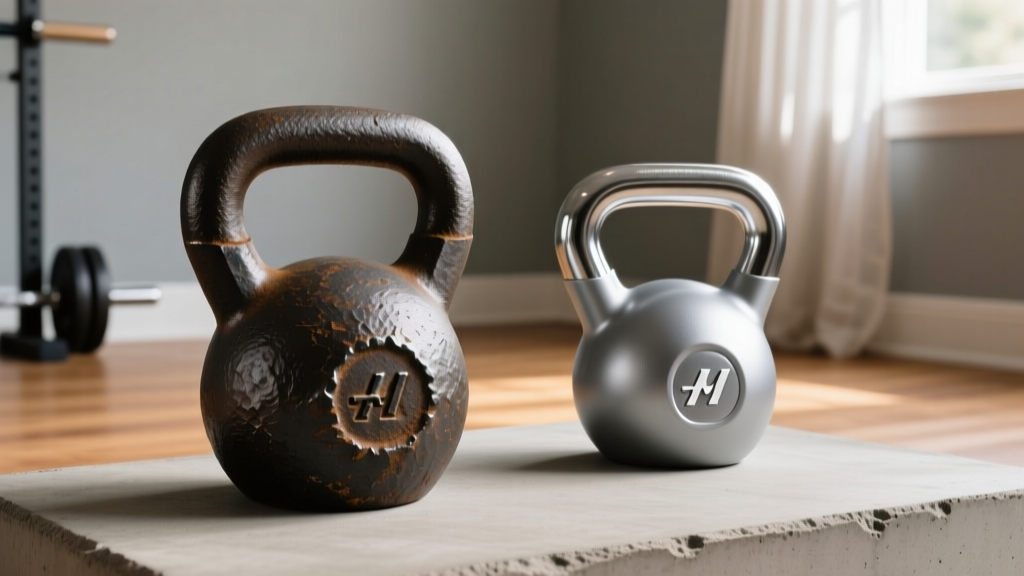
Beyond a Picture of Dumbbells: Cast Iron vs Competition Kettlebells

The Ultimate Home Setup for Seated Bicep Curls with Dumbbells
