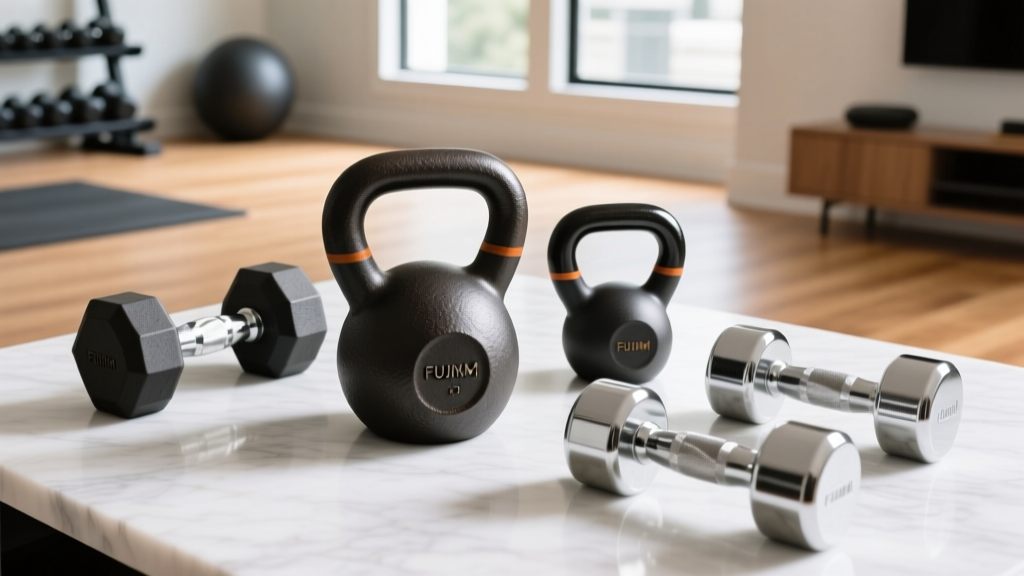
Cast Iron vs Competition Kettlebells & Dumbbell Squat Snatch
Analyze the 2026 budget breakdown of cast iron vs competition kettlebells and how they compare to dumbbells for the dumbbell squat snatch in your home gym.

The Home Gym Dilemma: Cast Iron, Competition, or Dumbbells?
Building a functional free-weight setup in 2026 requires navigating a complex landscape of material costs, shipping surcharges, and specialized manufacturing. When athletes set out to develop explosive hip-hinge power, the debate almost always narrows down to three equipment paths: standard cast iron kettlebells, uniform competition kettlebells, or fixed/loadable dumbbells for movements like the dumbbell squat snatch.
As a senior equipment analyst, I see too many home gym owners misallocate their budgets. They either overspend on competition-grade steel for casual weekend workouts or risk wrist injuries by using poorly balanced cast iron for high-velocity snatch variations. This comprehensive budget breakdown and value analysis will dissect the true cost-per-pound, durability failure modes, and biomechanical ROI of each option, ensuring your hard-earned dollars translate directly to athletic performance.
Cost-Per-Pound Breakdown: Cast Iron vs. Competition Kettlebells
To understand the value proposition, we must first look at the raw financial data. The pricing landscape for kettlebells has shifted over the last few years. While global freight stabilization has helped, raw steel and precision manufacturing costs keep competition bells at a premium. According to extensive equipment testing and pricing trackers like Garage Gym Reviews, the gap between entry-level cast iron and professional-grade competition bells remains stark.
| Equipment Type | Avg. Price Per Pound (2026) | Handle Diameter | Best Use Case | Budget Impact |
|---|---|---|---|---|
| Standard Cast Iron (Powder Coat) | $1.80 - $2.50 / lb | 32mm - 35mm (Varies by weight) | Grinds, presses, general conditioning | Low (High ROI for basics) |
| Competition Kettlebell (Steel Shell) | $5.00 - $7.50 / lb | 33mm (Uniform across all weights) | Girevoy sport, high-rep snatches, jerks | High (Premium for specificity) |
| Loadable Dumbbell Handle + Plates | $2.20 - $3.00 / lb (Total system) | 28mm - 32mm (Olympic/Standard) | Dumbbell squat snatch, heavy unilateral pulls | Medium (Highly scalable) |
The Value Synthesis: If your primary goal is general strength and hypertrophy, cast iron is the undisputed budget champion. However, if you are training for endurance-snatch events or require the exact same spatial dimensions regardless of the weight loaded, the 3x price premium of competition bells becomes a necessary investment.
Biomechanics of the Snatch: Kettlebell vs. Dumbbell Squat Snatch
Why bring the dumbbell squat snatch into a kettlebell buying guide? Because many athletes substitute or supplement kettlebell snatches with the dumbbell squat snatch to build unilateral overhead stability and correct left-to-right power asymmetries. The biomechanical demands of this movement dictate entirely different equipment requirements.
Expert Insight: The Center of Mass Shift
During a kettlebell snatch, the bell flips over the wrist, resting in the rack or overhead position with the bulk of the mass sitting behind the forearm. In a dumbbell squat snatch, the center of mass is perfectly bisected by the handle. This requires significantly more grip strength and wrist stabilization to prevent the dumbbell from rotating forward or backward during the rapid descent into the squat catch phase.
Equipment Failure Modes During Explosive Snatches
When programming high-velocity Olympic variations, equipment failure is not just an inconvenience; it is a severe safety hazard. Here is how different free weights hold up under the extreme G-forces of the snatch:
- Adjustable Dumbbells (Dial/Selectorized): Critical Failure Risk. Dropping a dial-adjustable dumbbell from an overhead snatch position will almost certainly shatter the internal plastic locking mechanisms. Never use selectorized dumbbells for the dumbbell squat snatch.
- Fixed Hex Dumbbells: Moderate Risk. The rubber heads can degrade or separate from the steel core over time if repeatedly dropped on concrete without proper flooring.
- Loadable Dumbbell Handles with Locking Collars: Safest Option. Using an Olympic loadable handle paired with calibrated fractional plates and high-quality OSO-style locking collars mimics the feel of a fixed dumbbell while allowing micro-loading.
- Competition Kettlebells: Dent Risk. While the steel handles won't break, dropping a hollow steel competition bell onto a concrete garage floor will dent the outer shell, potentially altering the aerodynamics and balance of the bell.
Durability Analysis: Coating Degradation vs. Shell Damage
A true budget breakdown must account for the lifespan of the equipment. Buying cheap gear that needs replacing in three years is a poor financial strategy.
Cast Iron: The Powder Coat Battle
Most budget cast iron kettlebells feature a powder-coated handle. While this prevents rust, it creates a high-friction surface. During high-rep snatch cycles (like the 10-minute Girevoy sport sets standardized by organizations like StrongFirst), this friction will tear through calluses and cause severe grip fatigue. To mitigate this, athletes often sand down the handles of cast iron bells—a process that voids warranties and exposes the iron to humidity and rust.
Competition Bells: The Steel Shell Advantage
Competition kettlebells feature machined steel handles that are inherently smoother. They require less chalk, preserve the hands during high-volume snatch work, and maintain their structural integrity indefinitely. The hollow core is filled with steel shot or scrap to achieve the exact target weight, meaning a 16kg bell and a 32kg bell are the exact same physical size. This uniformity is crucial for mastering the timing of the kettlebell snatch without adjusting your trajectory for different bell volumes.
Budget Allocation Strategy: Where Should Your Money Go?
To maximize your free weight ROI in 2026, use this decision framework based on your specific training goals and budget constraints.
Scenario A: The Generalist Athlete (Budget: $300 - $500)
Strategy: Prioritize cast iron kettlebells and a loadable dumbbell system.
- Buy two cast iron kettlebells (e.g., 16kg and 24kg) for grinds, swings, and basic ballistics. (~$180)
- Invest in a high-quality loadable dumbbell handle and 50lbs of bumper plates to safely train the dumbbell squat snatch and heavy unilateral rows. (~$250)
Scenario B: The Endurance & Ballistics Specialist (Budget: $800+)
Strategy: Bypass cast iron entirely; invest in competition grade.
- Purchase a matched set of competition kettlebells (16kg, 20kg, 24kg) to ensure consistent handling mechanics for snatch and jerk cycles. (~$600)
- Skip the dumbbell squat snatch in favor of double-kettlebell snatches to maintain sport-specific neural adaptations. Use remaining funds for premium drop pads to protect the steel shells. (~$200)
Final Verdict: Maximizing Your Free Weight ROI
The choice between cast iron, competition kettlebells, and dumbbells is not about which is universally 'better'—it is about matching the tool to the biomechanical demand and your financial reality.
Cast iron remains the undisputed king of budget-friendly general strength training, offering the lowest cost-per-pound for foundational movements. However, if your programming heavily features high-rep snatch cycles, the hand-tearing friction and variable dimensions of cast iron will bottleneck your progress, making competition bells a mandatory upgrade.
Finally, do not neglect the dumbbell squat snatch as a vital accessory movement. By allocating a portion of your budget to a safe, loadable dumbbell system, you can correct unilateral imbalances and build immense overhead catching strength without committing to the steep premium of a full set of fixed hex dumbbells. According to strength and conditioning guidelines outlined by the National Strength and Conditioning Association (NSCA), incorporating varied unilateral explosive pulls is essential for long-term joint health and power development. Train smart, buy strategically, and let the data drive your home gym investments.
More gear to consider
All reviews
Dumbbell Routine No Bench? Power Rack vs Squat Rack vs Stand Guide
Best Adjustable Dumbbells for a Dumbbell Shoulder Workout at Home

Rubber Hex vs Urethane: Best Gear for Dumbbell Exercises for Men
Beyond a women's leg workout with dumbbells: Collar & clamp guide

Best Loadable Dumbbells for the Dumbbell Inclined Bench Press (2026)
