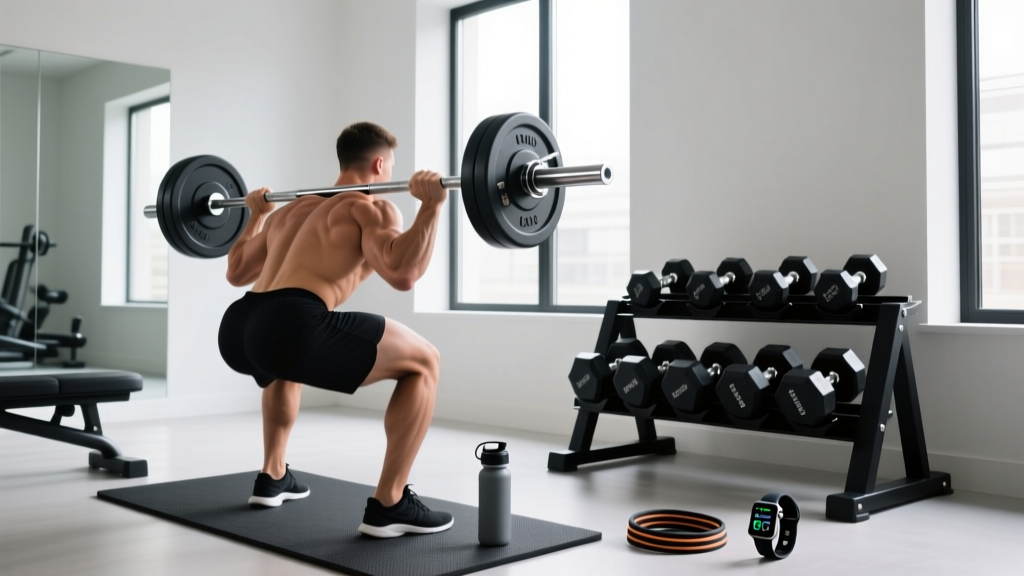
Bumper Plate vs Iron Plate: Upgrading From Pilates with Dumbbells
Transitioning from pilates with dumbbells to barbell training? We break down the 2026 costs, value, and ROI of bumper plates vs cast iron plates.

The Home Gym Evolution: From Light Resistance to Heavy Iron
Many fitness enthusiasts begin their home gym journey focusing on mobility, core stability, and light resistance. Routines centered around pilates with dumbbells typically require 3 lb to 10 lb neoprene or urethane hex dumbbells. A high-quality starter set for these lightweight movements might cost between $40 and $80, offering incredible value for isolated muscle endurance and flexibility work. However, as your fitness evolves toward compound barbell movements—like deadlifts, squats, and Olympic lifts—the financial reality of buying standard 45 lb weight plates sets in.
Transitioning from light dumbbell work to heavy barbell training is a massive leap in both physical demand and financial investment. In 2026, the weight plate market is dominated by two primary categories: traditional cast iron plates and rubber bumper plates. Choosing between them is not just about aesthetics; it is a strict budget breakdown involving cost-per-pound ratios, shipping surcharges, floor protection requirements, and long-term durability. Below, we analyze the true ROI of both options to help you allocate your home gym budget effectively.
Cast Iron Plates: The Budget Lifter’s Workhorse
Cast iron plates are the ancestral standard of weightlifting. For lifters who prioritize raw budget and space efficiency, iron remains the undisputed king. Because iron is significantly denser than rubber, a 45 lb cast iron plate is remarkably thin, allowing you to load well over 500 lbs onto a standard barbell sleeve without running out of real estate.
2026 Pricing and Value Metrics
The average market rate for budget-friendly cast iron plates (such as those from Titan Fitness or Rep Fitness) hovers between $1.35 and $1.60 per pound. Premium machined iron plates, like the Rogue Deep Dish plates, command a higher price of roughly $2.50 per pound due to tighter weight tolerances (within 1% of stated weight) and superior powder-coat finishes.
- Pros: Lowest cost-per-pound, thinnest profile, classic aesthetic, virtually indestructible if maintained.
- Cons: Extremely loud when dropped, prone to flash-rusting in humid environments, requires careful handling to avoid damaging flooring.
When buying budget iron plates, beware of poorly machined center holes. If the diameter is even 2mm too tight, you will scrape the zinc or cerakote coating off your barbell sleeve every time you load or unload. Always check user reviews for 'barbell scraping' complaints before purchasing off-brand iron.
Bumper Plates: Paying for Polymer and Peace of Mind
Bumper plates are constructed with a steel or brass hub encased in dense rubber. They are designed specifically to be dropped from overhead or shoulder height without shattering the plate, breaking the barbell, or destroying your garage floor. If your post-pilates evolution leads you toward CrossFit, Olympic weightlifting, or high-rep deadlift drops, bumpers are mandatory.
Crumb Rubber vs. Virgin Rubber
Not all bumpers are created equal, and the material dictates the price. According to comprehensive testing by Garage Gym Reviews' Bumper Plate Guide, the market is split into two main tiers:
- Crumb Rubber (Recycled): Made from compressed recycled tires. These are cheaper (approx. $1.75 to $2.00 per pound) but have a rough, porous texture that sheds black dust and absorbs moisture over time.
- Virgin Rubber: Made from new, high-density rubber. Premium options like the Rogue Fitness Echo Bumper Plates cost between $3.50 and $4.20 per pound. They offer a dead bounce (minimal rebound), low odor, and a sleek finish that lasts for decades.
A critical edge case in bumper plate budgeting is the 10 lb plate. Because rubber is less dense than iron, a 10 lb crumb bumper plate is exceptionally thick and fragile. If you load only 10 lb bumpers on a barbell and drop it, the leverage will bend your barbell sleeve and crack the rubber hub. Budget Rule: Never buy 10 lb bumper plates. Buy 10 lb cast iron or fractional change plates instead.
Head-to-Head Cost & Value Matrix
To understand the true financial commitment, we must look beyond the sticker price. The following matrix compares a standard 260 lb plate set (two 45s, two 25s, two 10s, two 5s) across different categories in the current market.
| Plate Type | Avg Cost Per Lb | 260 lb Set Cost | Drop Rating | Noise Level |
|---|---|---|---|---|
| Budget Cast Iron | $1.40 | $364.00 | Do Not Drop | Very High |
| Machined Iron (Premium) | $2.50 | $650.00 | Low Drops Only | High |
| Crumb Rubber Bumper | $1.85 | $481.00 | High (8,000+ drops) | Low |
| Virgin Rubber Bumper | $3.80 | $988.00 | Very High (20,000+ drops) | Very Low |
The Hidden Costs: Freight, Floor Protection, and Maintenance
When analyzing the Garage Gym Reviews' Weight Plate Roundup, one factor consistently catches new buyers off guard: the 'landed cost.' Weight plates are incredibly dense. In 2026, UPS and FedEx ground surcharges for packages exceeding 50 lbs can add $15 to $35 per box to your checkout total. Always calculate the shipping cost per pound before pulling the trigger.
Floor Protection Requirements
If you choose cast iron, you cannot drop the barbell. Even if you are gently setting down a heavy deadlift, the acoustic shockwave and localized pressure will crack standard concrete or destroy wooden subfloors. You must invest in proper flooring. A 4x6 foot, 3/4-inch thick horse stall mat costs roughly $55 to $75. For a dedicated 8x8 lifting platform, expect to spend $150 to $250 on flooring alone. Bumper plates also require mats to preserve the concrete and reduce noise, but they forgive the occasional accidental drop far better than iron.
Maintenance and Rust Prevention
Cast iron requires active maintenance. If your garage lacks climate control and experiences high humidity, uncoated or cheaply enameled iron plates will develop flash rust within weeks. You will need to budget time and materials (wire brushes, Evapo-Rust, and 3-in-One oil) to maintain them. Virgin rubber bumpers, conversely, require zero maintenance beyond an occasional wipe-down with a mild soap solution.
"The biggest mistake home gym owners make is buying cheap iron plates to save $100, only to realize they have to spend $200 on flooring and soundproofing because they live in a house with shared walls or an unfinished basement. Bumpers are an acoustic investment as much as a physical one." — Home Gym Engineering Analysis, 2025
Step-by-Step Budgeting Framework for Your Upgrade
How do you decide where to allocate your funds? Use this practical decision framework to match your equipment to your training style.
Step 1: Audit Your Training Modality
If your routine still heavily incorporates pilates with dumbbells for active recovery, but your primary strength work consists of controlled, slow-tempo squats and bench presses where the bar is never dropped, Cast Iron is your most economical choice. If you are doing snatches, clean and jerks, or high-rep touch-and-go deadlifts, you must buy Bumper Plates.
Step 2: Calculate Your Space and Acoustic Limits
Do you live in a suburban home with a detached garage, or an attached townhome? The acoustic shock of dropping 200 lbs of cast iron can rattle windows and trigger noise complaints. If acoustic dampening is a priority, virgin rubber bumpers paired with a layered plywood and rubber mat platform are non-negotiable.
Step 3: Execute the Hybrid Strategy
The smartest budget hack in 2026 is the Hybrid Plate Approach. Buy your heavy weights (45 lb and 25 lb plates) in cast iron to save money and sleeve space. Then, purchase 10 lb and 5 lb plates in bumper format (or fractional steel change plates) to protect the barbell during lighter drops and to fine-tune your progressive overload without breaking the bank.
The Final Verdict
Choose Cast Iron if: You are on a strict budget, perform controlled powerlifting movements, have ample sleeve space needs, and possess a dedicated, reinforced lifting platform.
Choose Bumper Plates if: You perform Olympic lifts or CrossFit WODs, require acoustic dampening for a residential garage, and want a zero-maintenance, weather-resistant product.
Frequently Asked Questions
Can I mix iron plates and bumper plates on the same barbell?
Yes, but with a critical caveat: the bumper plate must always be loaded on the sleeve first (closest to the barbell collar), followed by the iron plates. If you place a heavy iron plate on the outside of a bumper plate and drop the bar, the sheer force will tear the rubber hub of the bumper plate right off the steel insert.
Are urethane plates better than rubber bumpers?
Urethane is vastly superior to rubber in terms of durability, odor, and scratch resistance, which is why it is the standard in commercial gyms. However, urethane plates are astronomically expensive for home gym budgets, often exceeding $5.00 to $7.00 per pound. For the home user transitioning from light dumbbell work, virgin rubber offers 90% of the benefit at half the cost.
How do I transition my budget from dumbbells to plates?
When moving away from lightweight routines like pilates with dumbbells, sell your lightly used neoprene dumbbells on local marketplaces—they hold high resale value. Reallocate those funds toward a high-quality barbell first, as the barbell's knurl and whip are far more important to your lifting experience than the plates themselves. Buy plates incrementally, starting with a pair of 45s and a pair of 10s.
More gear to consider
All reviews
Kettlebell vs Dumbbell: Beginner's Adjustable Dumbbell Guide
Power Rack vs Squat Stand: Standing Dumbbell Squeeze Press Guide
Troubleshooting Miniature Dumbbells: Neoprene Home Use Mistakes
Neoprene Dumbbells for the Dumbbell Thruster: Head-to-Head Test

Dumbbell Rack Storage & Value: Does Setup Impact Skull Crusher Form?