
Bumper vs Iron Plates: Value Analysis & Wide Grip Dumbbell Curl Form
Compare bumper vs iron plates with a 2026 budget breakdown. Plus, master the wide grip dumbbell curl for targeted bicep hypertrophy in your home gym.

The Home Gym Foundation: Evaluating Your Weight Plate Investment
Building a home gym in 2026 requires a strategic approach to capital allocation. With shipping costs stabilizing but raw material prices for steel and virgin rubber fluctuating, the debate between outfitting your rig with traditional cast iron or modern bumper plates is more relevant than ever. Your weight plates are the foundational currency of your training; they dictate the types of lifts you can safely perform, the noise you generate, and the longevity of your flooring.
However, a smart home gym budget does not stop at the barbell. True value analysis means maximizing your equipment for both compound heavy lifting and targeted isolation work. In this comprehensive budget breakdown, we will dissect the bumper plate vs iron plate comparison to help you find the best cost-per-pound ROI. Then, we will apply that investment to a highly effective, often misunderstood isolation movement: the wide grip dumbbell curl.
Bumper Plate vs Iron Plate Comparison: The 2026 Cost Matrix
When evaluating free weights, the initial price tag is only half the story. You must factor in durability, floor protection, and resale value. Below is a snapshot of the current market landscape for standard 45-pound plates from leading industry manufacturers.
| Plate Type | Brand / Model | Avg. Cost Per Lb (2026) | Drop Rating | Thickness (45lb) | Best For |
|---|---|---|---|---|---|
| Cast Iron | Rep Fitness Deep Dish | $1.89 | Low (No drops) | 1.3 inches | Powerlifting, Bodybuilding |
| Cast Iron | Rogue LB Training Plates | $2.25 | Low (No drops) | 1.35 inches | General Strength, Aesthetics |
| Virgin Rubber Bumper | Fringe Sport Black Bumpers | $3.50 | High (10k+ drops) | 3.2 inches | CrossFit, Olympic Lifting |
| Urethane Bumper | Again Faster Competition | $6.50+ | Extreme (IWF Spec) | 2.1 inches | Commercial, Elite Olympic |
Cast Iron Plates: The Powerbuilder's Choice
If your training revolves around the powerlifts (squat, bench, deadlift) or traditional bodybuilding, cast iron remains the undisputed king of value. According to current pricing on Rep Fitness weight plate collections, you can outfit a barbell with 450 pounds of deep dish cast iron for roughly $850.
The Failure Modes: Iron plates are virtually indestructible in terms of structural integrity, but they are hostile to their environment. Dropping a loaded barbell with iron plates will crack concrete, shatter the plates themselves, and bend your barbell sleeves. Furthermore, unless you purchase enameled or rubber-coated variants, raw cast iron is prone to surface oxidation (rust) in humid or garage environments, requiring occasional wire-brushing and a light coat of 3-in-One oil to maintain their condition.
Bumper Plates: The Olympic & Functional Necessity
Bumper plates are engineered with a uniform diameter (450mm / 17.7 inches) across all weights, meaning a 10-pound plate hits the ground at the exact same time as a 45-pound plate. This allows lifters to safely drop the barbell from overhead or the shoulders. As detailed in the Rogue Fitness equipment specifications, high-quality bumpers feature a steel hub insert that anchors the rubber to the barbell sleeve.
The Failure Modes: The most common point of failure in budget bumper plates is 'taco-ing.' This occurs when thin 10lb or 15lb technique plates are dropped on their own without a heavier 45lb plate to absorb the shock. The rubber folds inward, eventually snapping the steel hub insert. To mitigate this in a home gym, always pair lighter bumpers with a heavier 'sandwich' plate when performing heavy cleans or snatches.
💡 The 5-Year ROI Verdict
If you do not plan on performing Olympic lifts (snatches, cleans) or high-rep CrossFit-style barbell cycling, do not pay the bumper tax. The $1.60+ per pound premium for virgin rubber bumpers is wasted on a strict powerbuilding routine. Invest the savings into a high-quality adjustable bench and premium dumbbells.
Maximizing ROI: Programming the Wide Grip Dumbbell Curl
Once you have saved capital by choosing the right plates for your specific training style, you can reallocate those funds toward a premium set of hex dumbbells. This brings us to one of the most effective, yet poorly executed, bicep builders in the free weight arsenal: the wide grip dumbbell curl.
While standard dumbbell curls keep the elbows pinned tightly to the ribs, the wide grip variation fundamentally alters the biomechanical line of pull, shifting the mechanical tension away from the brachialis and long head, and directly onto the short head (the inner 'peak' of the bicep).
Biomechanics of the Wide Grip Dumbbell Curl
According to kinesiology data mapped by ExRx.net, the biceps brachii functions not only as an elbow flexor but also as a powerful supinator of the forearm. By adopting a wider grip—either by holding a single heavy hex dumbbell horizontally with both hands spaced wide, or by flaring the elbows outward to 45 degrees while holding two dumbbells—you introduce a degree of shoulder abduction and external rotation.
This wider track places the short head of the biceps in a mechanically advantageous position to handle the load. It is an essential movement for lifters looking to build inner bicep thickness, which creates the illusion of a wider arm when viewed from the front.
Step-by-Step Execution Guide
- The Setup: Select a heavy hex dumbbell (e.g., 50-70 lbs). The hex shape prevents rolling and provides a secure grip surface. Hold the dumbbell horizontally by the heads with both hands, spaced slightly wider than shoulder-width.
- The Stance: Stand with feet shoulder-width apart. Keep your core braced and glutes engaged to prevent lower back hyperextension.
- The Ascent: Curl the dumbbell upward toward your chest. Unlike a standard curl, allow your elbows to drift slightly forward and outward (abducted) as the weight rises. Maintain a supinated grip (palms facing up).
- The Peak Contraction: At the top of the movement, the dumbbell should be near your upper chest. Squeeze the short head of the biceps hard for a full 1-second pause.
- The Eccentric: Lower the weight slowly over 3 seconds, resisting gravity. Do not let the elbows tuck back into your ribs on the way down; maintain that wide, forward elbow track to keep continuous tension on the short head.
⚠️ Form Warning: Avoid the Ego Swing
Because the wide grip dumbbell curl limits the involvement of the brachioradialis and long head, you will not be able to lift as much weight as you do on standard alternating curls. Drop your ego, reduce the weight by 20%, and focus strictly on the mind-muscle connection in the inner bicep.
Budget Allocation Strategy: Plates vs. Dumbbells
How should you divide a $1,500 home gym equipment budget in 2026 to accommodate both heavy compound lifts and targeted isolation work like the wide grip dumbbell curl? Here is a proven allocation framework for the budget-conscious powerbuilder:
- Cast Iron Plate Set (255 lbs): ~$450 (Using economy deep-dish iron)
- Olympic Barbell (190k PSI): ~$250 (Essential for heavy compounds)
- Heavy Hex Dumbbell Set (20-70 lbs in 10lb jumps): ~$550 (Crucial for unilateral work and wide grip curls)
- 3/4-inch Horse Stall Mats (Flooring): ~$150 (Mandatory for protecting floors from iron plates)
- Remaining $100: Allocate toward fractional micro-plates for progressive overload on isolation movements.
Frequently Asked Questions
Can I drop iron plates on rubber mats?
No. Even with 3/4-inch thick vulcanized rubber horse stall mats, dropping raw cast iron plates from a height of 4 feet will transfer enough kinetic energy to crack the concrete subfloor beneath the mats. Always use a controlled eccentric or invest in bumper plates if your programming requires dropping the bar.
Is the wide grip dumbbell curl better than an EZ-Bar curl?
They serve different purposes. The EZ-Bar curl utilizes a semi-supinated (angled) grip that reduces wrist strain and heavily targets the brachialis and outer bicep. The wide grip dumbbell curl forces full supination and elbow abduction, making it vastly superior for isolating the short head of the biceps. Both should have a place in your arm day rotation.
Do bumper plates smell?
Low-quality, recycled rubber bumper plates (often imported from overseas without strict vulcanization standards) can emit a strong, lingering chemical odor that takes months to off-gas. Virgin rubber and urethane bumpers from reputable brands like Fringe Sport or Rogue have minimal to no odor upon arrival.
More gear to consider
All reviews
EZ vs Straight Bar Budget: How Much Does the Thomas Inch Dumbbell Weigh?

Cast Iron vs Competition Kettlebells & Shoulder Shrugs with Dumbbells

The Dumbbell Vector: Rubber Hex vs Urethane Value Breakdown

Best Adjustable Dumbbells for Dumbbell Workouts for Traps
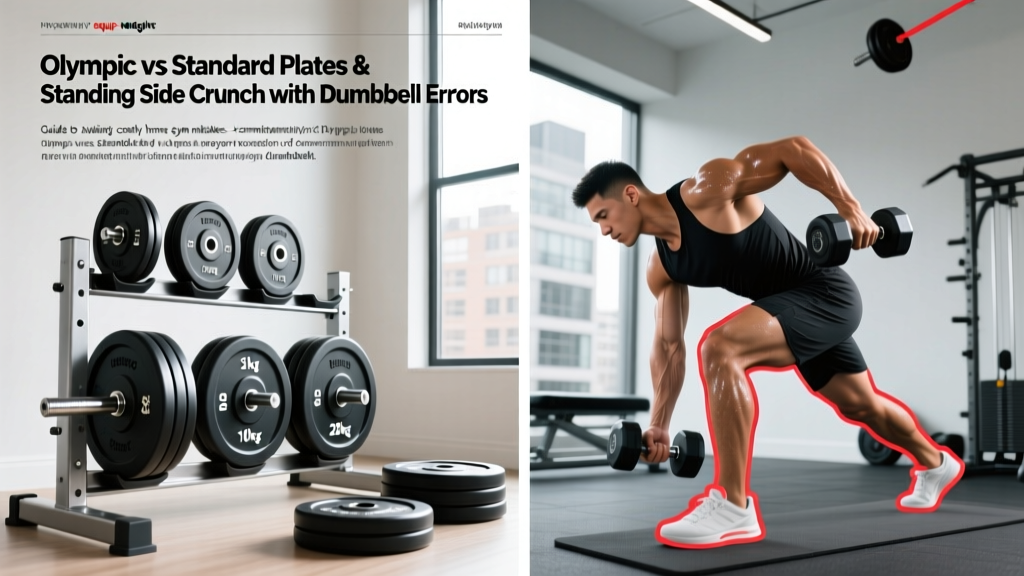
Olympic vs Standard Plates & Standing Side Crunch with Dumbbell Errors
