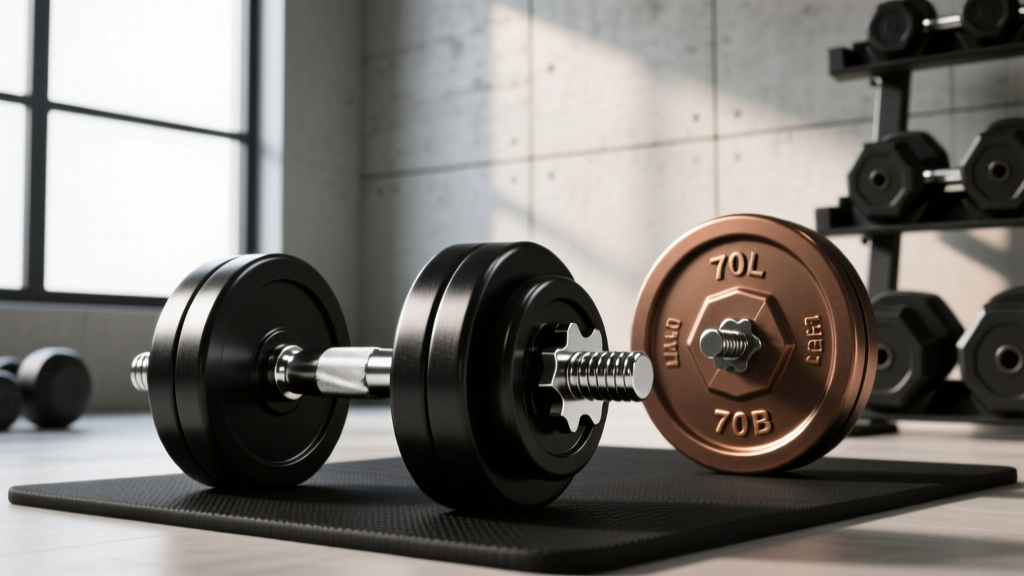
Mistakes Upgrading Past 65lb Dumbbells: Olympic vs Standard Plates
Outgrown your 65lb dumbbells? Avoid costly home gym mistakes. Our troubleshooting guide breaks down Olympic vs standard plates, sizing, and safety.

The 65lb Dumbbell Plateau: Why You Need a Barbell Setup
Reaching the point where you are comfortably pressing, rowing, or goblet-squatting with 65lb dumbbells is a significant strength milestone. For many intermediate lifters, a pair of fixed urethane 65s—like the Rogue Urethane Dumbbells, which retail around $145 per pair—represents the upper limit of their home gym rack. Once you exceed this weight, purchasing heavier fixed dumbbells becomes economically and spatially inefficient. The logical, necessary progression is transitioning to a barbell setup.
However, this exact transition point is where the vast majority of home gym owners make a catastrophic purchasing error. Driven by budget constraints or a misunderstanding of fitness equipment standards, lifters frequently confuse Olympic weight plates with Standard weight plates. This mistake leads to incompatible gear, compromised safety, and a frustrating sunk-cost fallacy. In this troubleshooting guide, we will break down the critical differences between Olympic and Standard plates, highlight the most common buying blunders, and provide a concrete framework for upgrading your home gym safely.
The Core Mistake: Confusing 1-Inch and 2-Inch Sleeves
The fundamental difference between Standard and Olympic equipment lies in the barbell sleeve diameter and the corresponding center hole of the weight plates. This is not merely a branding difference; it is a structural engineering distinction.
- Standard Plates: Feature a center hole of approximately 1 inch (25.4mm). They are designed to slide onto cheap, lightweight, solid-steel bars commonly found in big-box sporting goods stores.
- Olympic Plates: Feature a center hole of exactly 50.4mm (roughly 2 inches). They are engineered to fit onto Olympic barbells, which have thick, hollow, rotating sleeves supported by bushings or bearings.
A common troubleshooting mistake is purchasing a $15 set of '1-inch to 2-inch sleeve adapters' to use cheap Standard plates on an Olympic bar. Never do this for dynamic movements. These plastic or aluminum adapters introduce a secondary point of failure, alter the leverage mechanics of the barbell, and create severe wobbling during cleans or deadlifts. According to equipment safety analyses featured in Garage Gym Reviews plate testing, adapters should only be used for static, light accessory work, never for heavy compound lifts.
Olympic vs Standard Plates: A Deep-Dive Comparison Matrix
To understand why upgrading is non-negotiable for serious lifters, we must look at the raw specifications. The following matrix outlines the mechanical and financial differences you will encounter when moving past your 65lb dumbbells.
| Feature | Standard Plates (1-inch) | Olympic Plates (2-inch) |
|---|---|---|
| Center Hole Tolerance | Low (Often 1.1' to 1.2', causing rattle) | High (Precision machined to 50.4mm) |
| Barbell Tensile Strength | Low (Typically under 30,000 PSI) | High (165,000 to 215,000 PSI) |
| Weight Calibration | Uncalibrated (Can be off by 5-10%) | Calibrated (Within 10-50 grams) |
| Average Cost Per Pound | $0.80 to $1.20 | $1.50 to $4.00+ |
| Plate Material Options | Cement-filled plastic, cheap cast iron | Machined steel, urethane, virgin rubber |
Troubleshooting 3 Common Buying Blunders
When lifters realize their 65lb dumbbells are no longer providing enough stimulus for progressive overload, they rush to buy plates. Here are the three most frequent errors we see in home gym builds, and how to troubleshoot them.
Blunder 1: The Sunk Cost Fallacy of Standard Iron
The Scenario: You buy a $60 standard barbell and 200 lbs of standard cast iron plates from a local classified ad. Six months later, you want to start Olympic lifting or heavy squats, but the standard bar bends permanently under 225 lbs.
The Fix: Accept the loss. Standard bars lack the whippiness and tensile strength required for heavy loading. Sell the standard plates to a beginner or use them as yard decorations, and invest in an Olympic bar and plates. As noted in BarBend's expert weight plate guide, standard bars simply cannot handle the lateral torque of heavy squats or the impact of dropped bumper plates.
Blunder 2: Ignoring Bumper Plate Thickness on Standard Bars
The Scenario: You want to do deadlifts and crossfit-style drops, so you buy standard-sized bumper plates.
The Fix: Standard bars have much shorter and thinner sleeves (usually 10 to 12 inches long). Because standard plates have smaller center holes, the 'lip' of the plate takes up more surface area on the sleeve. Furthermore, standard bumper plates are notoriously thick. You will physically run out of sleeve space before you can load 225 lbs, making heavy deadlifts impossible. Olympic sleeves are typically 16.3 inches long, easily accommodating multiple 45lb bumper plates.
Blunder 3: Misunderstanding Drop Tolerance and Durometer Ratings
The Scenario: Buying cheap, recycled-rubber Olympic plates for high-impact drops.
The Fix: Not all Olympic plates are created equal. If you are dropping weights from overhead, you need Olympic Bumper Plates with a high durometer rating (typically 88A to 90A for dead bounce). Cheap 'crumb rubber' plates will shatter upon impact. For precise specifications on drop-testing and virgin rubber density, always consult the manufacturer's data, such as the Rogue Fitness Echo Bumper specifications, which detail the exact stainless steel hub inserts and rubber vulcanization processes required to survive thousands of drops.
Material Science: Cement, Iron, and Urethane
When troubleshooting your gym build, the material of your plates dictates the longevity of your setup.
- Cement-Filled Plastic (Standard): These are the bulky, oversized plates often sold in big-box stores. They are prone to cracking, leaking sand or cement, and degrading under UV light. Verdict: Avoid entirely.
- Cast Iron (Standard & Olympic): Classic, durable, and compact. Olympic 'deep dish' or machined iron plates feature raised grips and precise weight calibration. They will rust if left outside, but they will last a lifetime indoors. Verdict: Excellent for powerlifting and budget-conscious Olympic setups.
- Urethane (Olympic): The gold standard for commercial and high-end home gyms. Urethane is virtually odorless, highly resistant to scratching, and does not degrade like rubber. A set of Olympic urethane plates will easily outlive the lifter. Verdict: The premium choice for quiet, clean, and permanent home gyms.
Step-by-Step: Transitioning Your Home Gym Safely
If you are currently relying on 65lb dumbbells and need to transition to a plate-loaded system, follow this exact protocol to avoid wasting money:
Step 1: Audit Your Space and Flooring. Olympic plates (especially bumpers) require specialized horse-stall mat flooring (at least 3/4-inch thick) to absorb impact. Standard iron plates will crack concrete if dropped.
Step 2: Buy the Olympic Bar First. Do not buy plates until you have a high-quality Olympic barbell (e.g., a 190k PSI tensile strength bar with bronze bushings). The bar is the most critical point of failure.
Step 3: Purchase a Starter Olympic Plate Set. Buy a calibrated Olympic iron set or a basic Echo-style bumper set. Aim for at least 250 lbs of total plate weight to accommodate your barbell progression over the next two years.
Step 4: Invest in Proper Collars. Standard spring clips are dangerous for Olympic bars. Purchase locking aluminum collars (like the Rogue HG 2.0 Collars) to secure the 50mm sleeves during dynamic movements.
Expert Verdict: Is Standard Ever the Right Choice?
As a domain expert, I am frequently asked if there is any scenario where Standard plates are recommended. The answer is a highly qualified yes, but only in specific edge cases. Standard plates are acceptable for lightweight rehabilitation setups, senior fitness centers focusing on sub-50lb loads, or for use with vintage spinlock adjustable dumbbell handles.
However, for any lifter who has already built the foundational strength to press or squat with 65lb dumbbells, Standard plates will immediately become a bottleneck. The lack of sleeve space, poor weight calibration, and structural weakness of standard bars make them a liability for intermediate and advanced lifters. Invest in Olympic plates from day one, and your home gym will scale with your strength for decades to come.
Frequently Asked Questions (FAQ)
Can I drill out the center of my standard plates to fit an Olympic bar?
No. Drilling cast iron or cement plates compromises their structural integrity, creates dangerous metal shards, and will result in an uneven, unbalanced plate that can snap a barbell sleeve under load.
Why do Olympic plates have a 50.4mm hole instead of exactly 50mm?
The extra 0.4mm provides a crucial tolerance gap. This allows the plates to slide smoothly onto the barbell sleeve without getting stuck due to microscopic rust, chalk buildup, or thermal expansion of the steel.
Do I need bumper plates if I only do powerlifting?
No. If you are strictly doing squats, bench presses, and controlled deadlifts where the weights are not dropped from above the knee, machined Olympic cast iron plates are actually preferable. They are thinner, allowing you to load more weight on the sleeve, and they do not bounce dangerously if you fail a lift.
More gear to consider
All reviews
Rubber Hex vs Urethane Dumbbells for a Space-Saving Dumbbell Circuit

2026 Market Trend: The Classic Dumbbell Shaped Loadable Design

Full Body Strength Workout with Dumbbells: Barbell Knurling Guide

2026 Rack Trends: Enhancing Your Workout for Deltoids with Dumbbells

Dumbbell Squat to Overhead Press: Cast Iron vs Competition
