
Bumper Plate vs Iron Plate & Dumbbell Shrugs Gear Review
Expert comparison of bumper plate vs iron plate for home gyms, plus hands-on reviews of the best gear for heavy dumbbell shrugs and trap development.

Building a comprehensive home gym for posterior chain and trapezius development requires navigating two distinct equipment debates. First, you must choose the right weight plates for your foundational heavy pulls. Second, you need the right isolation tools for targeted trap work. In this 2026 hands-on review, we tackle the ultimate bumper plate vs iron plate comparison, and follow it up with expert gear recommendations to optimize your heavy dumbbell shrugs.
Expert Insight: Many lifters mismatch their gear. They buy expensive competition bumper plates but use cheap, poorly knurled dumbbells for shrugs, leading to grip failure before trap failure. This guide ensures your foundational plates and isolation dumbbells are perfectly matched for high-performance training.The Foundation: Bumper Plate vs Iron Plate Comparison
When outfitting your barbell for deadlifts, rack pulls, and Olympic lifts, the choice between bumper and cast iron plates dictates your floor safety, noise levels, and barbell whip. According to comprehensive equipment analyses by BarBend, the decision largely hinges on your training style and flooring setup.
Material Composition and Durability
Cast iron plates are the traditional standard. Poured into molds and machined for weight accuracy, high-quality iron plates (like those from REP Fitness or Rogue) boast a lifespan of multiple generations. However, they are brittle; dropping a loaded barbell from overhead or even from the lockout of a heavy shrug or rack pull can chip the iron or crack your concrete floor.
Bumper plates feature a steel or brass hub encased in high-density virgin rubber. The durability of a bumper plate is measured by its durometer rating (SH-A scale). A rating of 88-90 SH-A indicates a hard, highly durable rubber that resists tearing and deformation, whereas lower ratings (75-80 SH-A) are softer, quieter, but more prone to warping if stored improperly on the barbell.
Comparison Matrix: Bumper vs. Iron
| Feature | Cast Iron Plates | Training Bumper Plates |
|---|---|---|
| Thickness (45lb plate) | ~1.3 inches | ~2.4 - 3.2 inches |
| Average Cost (2026) | $1.50 - $2.00 / lb | $2.20 - $3.50 / lb |
| Drop Safety | Low (Requires thick mats) | High (Designed for dropping) |
| Barbell Sleeve Capacity | High (Up to 600+ lbs) | Moderate (Max ~450-500 lbs) |
| Best For | Powerlifting, Heavy Rack Pulls | CrossFit, Olympic Lifts, Home Gyms |
Hands-On Plate Reviews: 2026 Top Picks
1. Best Bumper: Rogue HG 2.0 Bumper Plates
The Rogue HG 2.0 remains the gold standard for home and garage gyms in 2026. Featuring a dead bounce (minimal rebound when dropped) and an 88 SH-A durometer rating, these plates are virtually indestructible under normal use. The 45lb plates are 2.36 inches thick, allowing you to load up to 500lbs on a standard Olympic sleeve.
- Price: ~$2.75/lb (Sold in sets or pairs)
- Pros: IWF standard diameter (450mm), minimal odor, exceptional hub durability.
- Cons: Thicker profile limits max loading compared to iron.
2. Best Iron: REP Fitness Cast Iron Plates
For pure powerlifting and heavy rack pulls where barbell sleeve real estate is premium, REP Fitness Cast Iron plates are unbeatable. They feature a machined edge for a clean grip and a baked enamel finish that resists rust and chipping far better than traditional painted plates.
- Price: ~$1.75/lb
- Pros: Ultra-thin profile, precise weight calibration (within 2%), classic aesthetic.
- Cons: Extremely loud; requires 3/4-inch horse stall mats to protect concrete.
The Isolation Finisher: Mastering Dumbbell Shrugs
While plates build your foundational pulling strength, no posterior chain routine is complete without targeted trapezius isolation. The Cleveland Clinic notes that the trapezius is a massive, multi-function muscle responsible for scapular elevation, retraction, and neck stabilization. To target the upper traps effectively, heavy dumbbell shrugs are biomechanically superior to barbell shrugs because they allow your arms to hang naturally at your sides, preventing the barbell from scraping your thighs and restricting your range of motion.
Biomechanics Warning: According to kinesiology data from ExRx.net, the primary action of the shrug is scapular elevation. A common error is rolling the shoulders backward or flexing the cervical spine (chin to chest). Shrug straight up toward your ears, hold for a 1-second isometric contraction, and lower under control.Step-by-Step Execution for Hypertrophy
- The Grip: Use lifting straps (like Rogue Fitness Figure-8 straps) if your grip fails before your traps. Grip fatigue is the number one limiting factor in heavy dumbbell shrugs.
- The Stance: Stand with feet shoulder-width apart. A slight forward hinge (5-10 degrees) can help align the dumbbells with the natural fiber orientation of the mid-to-upper traps.
- The Pull: Drive your shoulders directly toward your ears. Imagine trying to touch your shoulder blades to the back of your neck.
- The Eccentric: Lower the weight over a full 2-3 seconds to maximize muscle damage and stretch-mediated hypertrophy.
Expert Top Picks: Dumbbells for Heavy Shrugs
When loading up 100+ lb dumbbells for shrugs, the knurling pattern and handle diameter dictate your success. Here are our top tested picks for 2026.
1. Rogue Rubber Hex Dumbbells (Best Overall)
Rogue’s Rubber Hex dumbbells feature a medium-depth knurl that bites into the skin just enough to prevent slipping during sweaty, high-rep shrug sets without tearing your calluses. The urethane-rubber blend head is highly resistant to the chipping that plagues cheaper commercial gym dumbbells when dropped after a heavy set.
- Handle Diameter: 35mm (Ideal for heavy grip work)
- Price: ~$2.85/lb
- Verdict: The safest, most durable choice for dropping heavy weights post-shrug failure.
2. Titan Fitness Urethane Dumbbells (Best Premium Feel)
If you train in a mixed-use space where noise and floor protection are paramount, Titan’s Urethane line is exceptional. Urethane is denser than rubber, meaning the physical footprint of a 120lb dumbbell is smaller, keeping the weight closer to your center of gravity during shrugs. The handles feature a hard chrome finish with aggressive knurling.
- Handle Diameter: 34mm
- Price: ~$2.50/lb (Often on seasonal sale)
- Verdict: Superior density and zero rubber odor make these perfect for indoor home gyms.
"The secret to massive traps isn't just the weight on the bar; it's the time under tension during the eccentric phase of a heavy dumbbell shrug. Invest in dumbbells with exceptional knurling so you can focus purely on the mind-muscle connection, not on keeping the weight from sliding out of your hands."
Final Verdict: Building Your Arsenal
Outfitting a complete back and trap-building home gym requires a strategic approach to your budget and space. For your foundational pulling movements, cast iron plates remain the most cost-effective and space-efficient choice for powerlifters, provided you invest in proper rubber flooring. However, if your training involves dynamic movements, or if noise and floor protection are strict requirements, bumper plates are non-negotiable.
For the isolation work, do not compromise on your dumbbell shrugs. Upgrading to high-quality, urethane or premium rubber hex dumbbells with aggressive knurling will immediately cure grip-related bottlenecks, allowing your trapezius muscles to reach true mechanical failure and maximum hypertrophy.
Frequently Asked Questions
Can I use bumper plates for heavy rack pulls?
Yes, but be aware of the thickness. Because training bumpers are thicker than iron plates, you may run out of barbell sleeve space before reaching your maximum rack pull weight. If you routinely pull over 500 lbs, thin iron plates or calibrated steel plates are recommended.
Why do my forearms give out before my traps during dumbbell shrugs?
The trapezius is a massively strong muscle group capable of moving immense loads, while the flexor muscles in your forearms are comparatively small. Using lifting straps (like figure-8 or lasso straps) is highly recommended by strength coaches to bypass grip limitations and fully isolate the upper traps.
How often should I train dumbbell shrugs for optimal growth?
The upper traps recover relatively quickly and respond well to high-frequency training. Incorporating heavy dumbbell shrugs 2 to 3 times per week at the end of your back or shoulder workouts, utilizing rep ranges of 8-12 with a strict 2-second eccentric, will yield the best hypertrophic results.
More gear to consider
All reviews
Olympic vs Standard Setup for Dumbbell Exercises Workout Routines

EZ Bar vs Straight Bar Care for Chest and Triceps Dumbbell Workouts
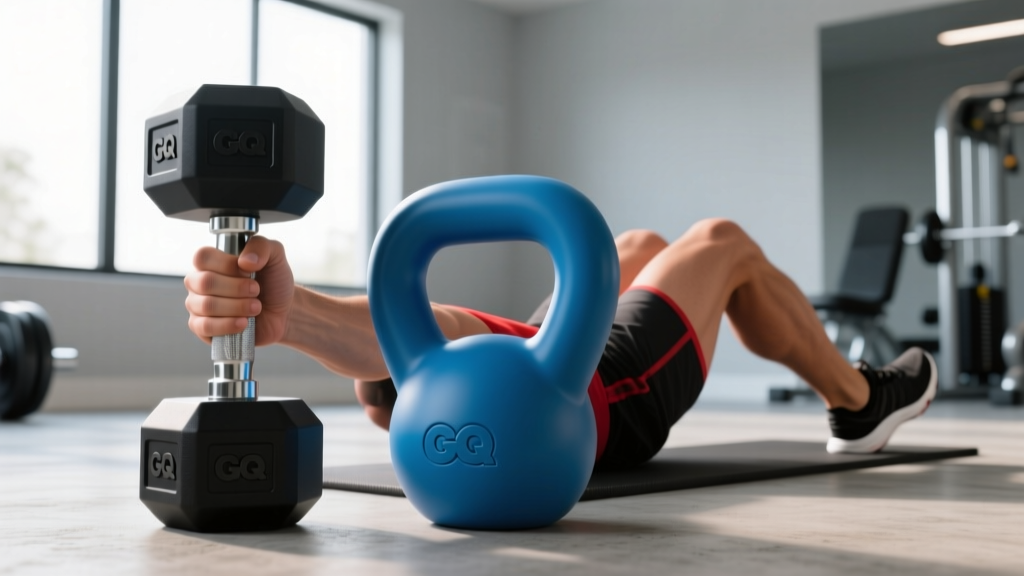
Rubber Hex vs Urethane Dumbbells for Dumbbell Reverse Crunches
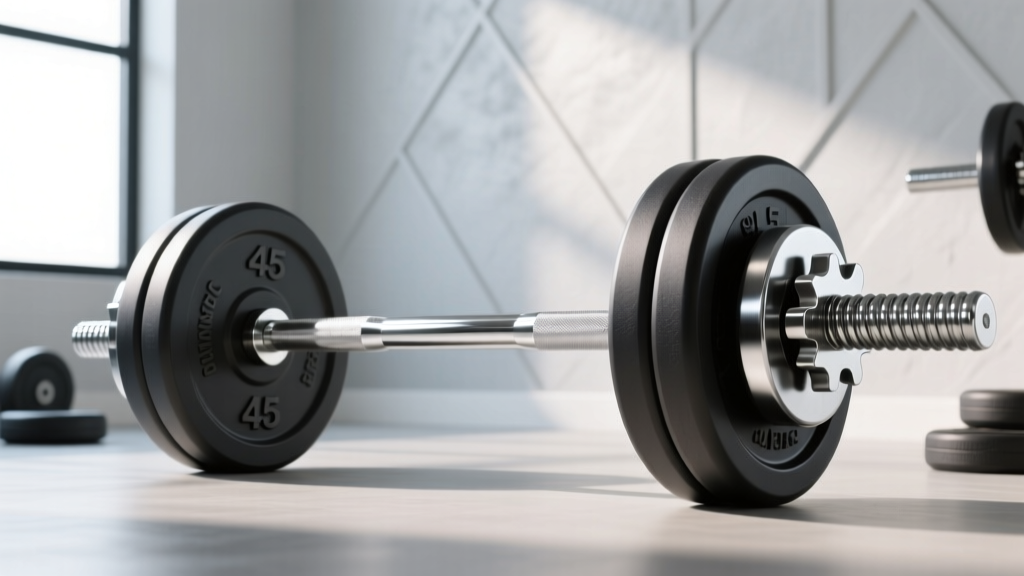
Collar and Clamp Types Comparison for the Unilateral Dumbbell Row

EZ Curl vs Straight Bar: Neutral Grip Dumbbell Bench Layouts
