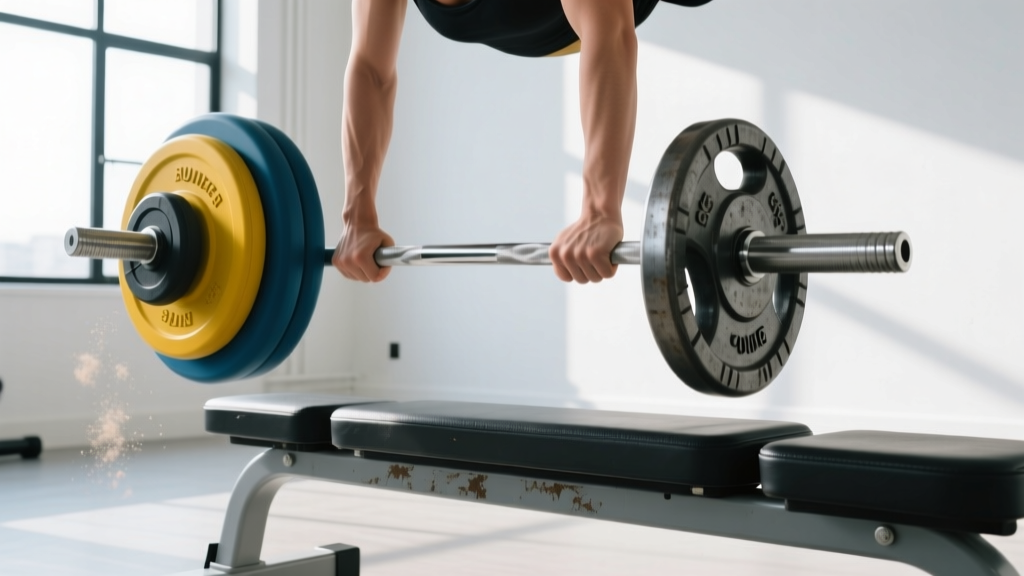
Bumper Plate vs Iron Plate Maintenance & Dumbbell Connector Care
Compare bumper plate vs iron plate longevity. Learn expert maintenance tips to prevent rust, hub warping, and protect your dumbbell connector hardware.

The Material Reality: Bumper Plates vs. Cast Iron
When outfitting a home gym in 2026, the debate between bumper plates and cast iron plates usually centers on noise reduction and drop safety. However, from a strict maintenance and longevity perspective, the material you choose drastically alters your equipment care routine. This is especially true when utilizing specialized hardware like a dumbbell connector—a bridge device that links two plate-loaded dumbbell handles to create a makeshift barbell for heavy pressing or rowing.
The interaction between the plate's center hub and the connector's steel sleeve dictates the lifespan of your setup. Iron plates introduce metal-on-metal friction and rust risks, while bumper plates introduce rubber degradation, hub warping, and micro-particle shedding. Understanding these failure modes is the key to protecting your investment.
| Feature | Cast Iron Plates | Bumper Plates (Virgin Rubber) | Crumb Rubber Bumpers |
|---|---|---|---|
| Average Cost (2026) | $1.50 - $2.20 / lb | $3.50 - $5.00 / lb | $2.00 - $3.00 / lb |
| Hub Material | Cast Iron / Zinc Plated | Stainless Steel Insert | Galvanized Steel Insert |
| Maintenance Frequency | Monthly (Rust Prevention) | Quarterly (UV & Silicone) | Bi-Annual (Deep Clean) |
| Impact on Sleeves | High (Scoring & Scratching) | Low (Smooth Glide) | Medium (Grit Accumulation) |
How Plate Choice Impacts Your Dumbbell Connector
A standard dumbbell connector bar (such as those offered by Titan Fitness or Yes4All) features a central steel sleeve with threaded ends or pin-lock mechanisms. When you slide plates onto this sleeve, the tolerances matter immensely.
⚠️ Equipment Warning: Never force a warped bumper plate onto a dumbbell connector. The standard Olympic sleeve diameter is 50mm. If a bumper plate has been stored improperly and its steel insert has warped to 50.8mm or larger, forcing it onto the connector will strip the zinc coating and permanently damage the snap rings that hold the connector assembly together.The Iron Plate Friction Problem
Cast iron plates, particularly unpainted or enamel-coated models, have rough inner hubs. When loaded onto a dumbbell connector and subjected to the rotational torque of exercises like dumbbell thrusters or heavy floor presses, the iron hub acts like mild sandpaper against the connector's steel sleeve. Over time, this creates micro-gouges in the sleeve. Once the protective zinc or chrome layer is breached, the sleeve will oxidize, causing plates to stick and making the dumbbell connector difficult to disassemble.
The Bumper Plate Shedding Issue
Conversely, recycled crumb rubber bumper plates shed microscopic rubber dust. When this dust mixes with ambient humidity and the light layer of oil required to maintain your dumbbell connector sleeve, it forms a thick, black sludge. This sludge works its way into the threaded ends of the connector bar, degrading the locking nuts and causing them to seize.
Cast Iron Plate Longevity Protocol
If you prefer the density and affordability of iron plates, you must implement a strict anti-corrosion and friction-reduction routine to protect both the plates and your dumbbell connector hardware.
- Degrease and De-rust: Use a brass wire brush (never steel, which will strip zinc) to clean the inner hub of the iron plates. According to BarBend's Guide to Barbell and Sleeve Maintenance, maintaining the inner hub is just as critical as caring for the barbell shaft.
- Apply a Dry Lubricant: Avoid wet oils like standard WD-40 on iron plates, as they attract dust. Instead, use a PTFE-based dry lubricant or a specialized gym equipment oil like Barbell Rx. Apply two drops to a microfiber cloth and wipe the inner hub.
- Connector Sleeve Care: Every 30 days, remove all plates from your dumbbell connector. Wipe the sleeve with a 3-IN-ONE oil solution, let it sit for five minutes, and buff it completely dry. This prevents the iron plates from fusing to the connector during humid summer months.
Bumper Plate Care & Hub Tolerances
Bumper plates require an entirely different maintenance approach, focusing on rubber preservation and steel insert integrity. The Rogue Fitness Bumper Plate Specifications highlight that virgin rubber is highly susceptible to UV degradation and ozone cracking, which compromises the structural bond between the rubber and the steel center hub.
Step-by-Step Bumper Maintenance
- Cleaning: Wipe down plates monthly with a mixture of warm water and mild dish soap. Never use bleach or ammonia-based cleaners, which dry out the rubber and cause edge splitting.
- UV Protection: If your gym is in a sunroom or near a window, apply 303 Aerospace Protectant to the rubber surfaces bi-annually. This replaces lost polymers and prevents the chalky white oxidation that weakens the plate.
- Hub Lubrication: The steel insert of a bumper plate needs lubrication to glide smoothly onto a dumbbell connector, but you must never use petroleum-based oils, which will degrade the rubber bordering the insert. Use a 100% silicone spray applied to a Q-tip to carefully coat the inside of the steel ring.
Troubleshooting Common Hardware Failure Modes
When combining plates with a dumbbell connector, specific failure modes will emerge based on your maintenance habits. Here is how to diagnose and fix them:
- Issue: Dumbbell connector locking nuts refuse to thread smoothly.
Diagnosis: Crumb rubber dust mixed with sweat has calcified in the threads.
Fix: Soak the threaded ends in white vinegar for 15 minutes, scrub with a nylon brush, and re-lubricate with a dry graphite powder. - Issue: Iron plates rattle excessively on the connector sleeve during drops.
Diagnosis: The enamel coating inside the iron plate hub has chipped away, widening the center hole tolerance beyond 51mm.
Fix: Apply a layer of metal epoxy to the inner hub, let it cure for 24 hours, and sand it down with 400-grit sandpaper until it fits snugly on the 50mm sleeve. - Issue: Bumper plate steel insert is rusting and expanding.
Diagnosis: Moisture trapped between the rubber and the steel hub.
Fix: Follow the NSCA Guidelines on Facility and Equipment Maintenance regarding humidity control. Store plates on a vertical tree rather than flat on a concrete floor to prevent moisture wicking. Use a rust converter gel on the insert if oxidation has already begun.
Expert Verdict: Which Setup Lasts Longer?
From a pure longevity standpoint, virgin rubber bumper plates with stainless steel inserts paired with a chrome-plated dumbbell connector offer the longest lifespan with the least destructive friction. While cast iron plates will easily outlast the rubber itself in terms of structural integrity, the secondary damage iron inflicts on barbell and connector sleeves through friction and rust makes it a higher-maintenance choice.
If you are committed to cast iron for its cost-efficiency and compact profile, you must treat the inner hubs and your dumbbell connector sleeves with monthly oiling and strict humidity control. Ultimately, the longevity of your free weight setup is not determined by the price tag of the plates, but by the rigor of your maintenance protocols and your understanding of material tolerances.
More gear to consider
All reviews
Space-Saving Combination Dumbbell Exercises With Loadable Plates

Meadow Rows Dumbbell Trend: 2026 Shift to Loadable Plates
Rubber Hex vs Urethane: Space & 3 Day Dumbbell Workout Plan PDF

Are Dumbbells Better Than Machines? The Neoprene Home Gym Guide
Loadable Dumbbells for Upright Rows: 2026 Value Breakdown