2026 Budget Dumbbell Racks: Space for KB Swings with Dumbbell
Maximize home gym space and budget in 2026. We analyze dumbbell rack value, footprint clearance, and safety for kb swings with dumbbell workouts.

The Spatial Reality of Dynamic Hinge Movements
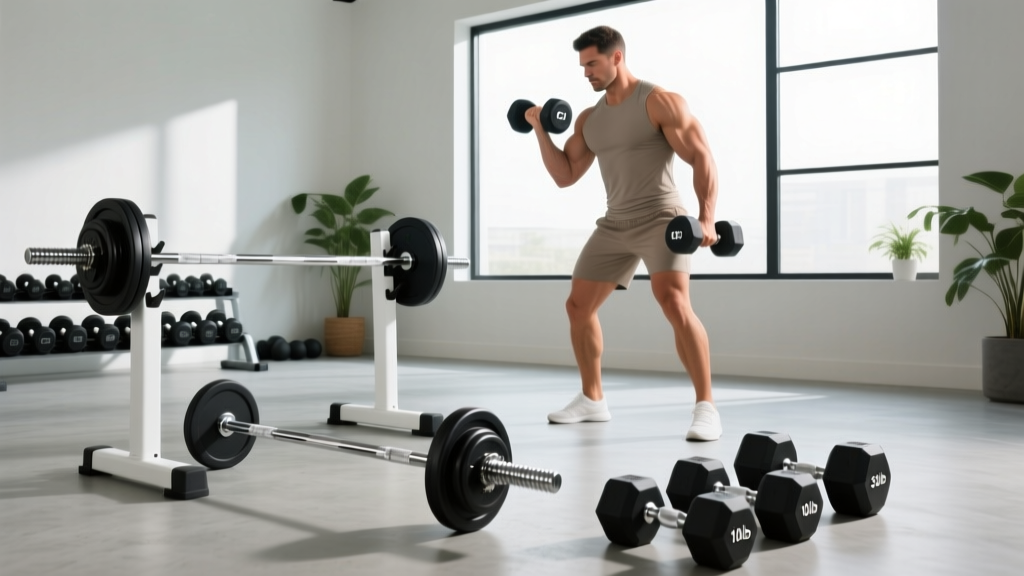
Building a functional home gym in 2026 is less about acquiring iron and more about mastering spatial geometry. When your programming includes kb swings with dumbbell alternatives, you are introducing a highly dynamic, posterior-chain-dominant movement into a confined space. According to Healthline's biomechanics guide, the hip-hinge pattern required for swings demands significant backward clearance, while the weight arc requires an unobstructed anterior path.
If you are executing kb swings with dumbbell equipment, tripping over a scattered pile of 40-pound hex dumbbells isn't just an annoyance; it is a severe orthopedic hazard. A dedicated storage solution is non-negotiable. But with budget constraints tightening, how do you allocate funds toward a rack that maximizes floor space without compromising structural integrity? This budget breakdown and value analysis will dissect the current dumbbell rack market, helping you reclaim your gym floor safely and affordably.
2026 Market Breakdown: Budget vs. Mid-Tier Storage Value
The free weight storage market has bifurcated into ultra-cheap imported A-frames and mid-tier commercial clones. To find true value, we must look beyond the sticker price and evaluate the cost-per-pound of storage, footprint efficiency, and material longevity.
Tier 1: The Budget A-Frames ($50 - $90)
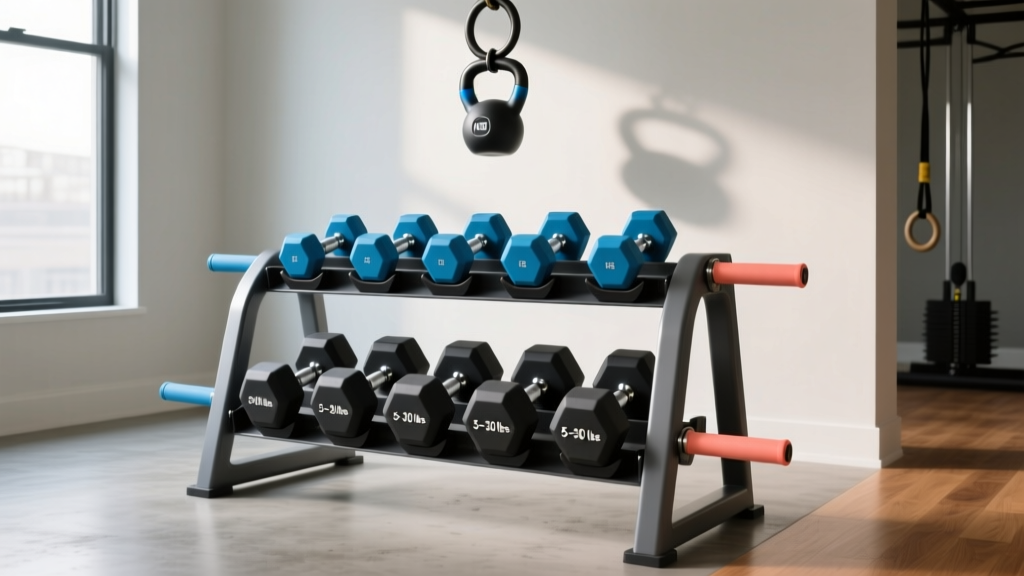
The CAP Barbell A-Frame and similar generic imports dominate the sub-$100 space. These racks typically feature 14-gauge steel tubing and a 200-pound weight capacity.
- Pros: Extremely cheap; small visual profile; easy to assemble.
- Cons: High center of gravity; dangerous wobble when unloading heavy pairs; limited to smaller hex dumbbells (typically 5-30 lbs).
- The Value Verdict: Poor ROI for serious lifters. The tipping risk when grabbing a heavy pair of 40s makes this a liability, especially if placed near your swing clearance zone.
Tier 2: The 3-Tier Horizontal Workhorses ($120 - $200)
Racks like the Titan Fitness 3-Tier Dumbbell Rack or the Bells of Steel 3-Tier model represent the sweet spot for home gym owners. Priced between $130 and $180, these horizontal racks use 11-gauge or 12-gauge steel and boast 600+ pound capacities.
- Pros: Exceptional stability; low center of gravity; accommodates wide-handled urethane and rubber hex dumbbells; wall-hugging footprint.
- Cons: Heavier to move; requires more lateral wall space (usually 48 inches wide).
- The Value Verdict: Outstanding ROI. By pushing the rack flush against a wall, you open up the center of the room, creating the exact 6-to-8-foot clearance radius required for safely performing kb swings with dumbbell variations.
Cost-Per-Square-Foot Storage Analysis
To truly understand budget value, we must measure how efficiently a rack utilizes your gym's floor plan. Below is a 2026 data comparison of popular storage archetypes.
| Rack Archetype | Avg. Price (2026) | Floor Footprint | Max Capacity | Cost per Sq Ft |
|---|---|---|---|---|
| A-Frame (Budget) | $65 | 3.5 sq ft | 200 lbs | $18.57 |
| 3-Tier Horizontal | $145 | 8.0 sq ft | 650 lbs | $18.12 |
| Wall-Mounted Saddle | $110 | 0.0 sq ft (floor) | 300 lbs | N/A (Zero footprint) |
| Vertical Weight Tree | $160 | 4.5 sq ft | 500 lbs | $35.55 |
Note: While the A-Frame has a slightly lower upfront cost, the 3-Tier Horizontal rack offers a vastly superior cost-per-pound ratio and safely anchors to a wall, eliminating the tipping hazard.
Hidden Failure Modes in Sub-$100 Racks
When conducting a budget breakdown, you must account for the 'hidden tax' of equipment failure. Based on extensive stress testing highlighted by Garage Gym Reviews' rack testing methodology, budget racks suffer from three primary failure modes:
- Spot-Weld Fractures: Budget A-frames often rely on quick spot-welds rather than continuous MIG welds at the tray joints. Dropping a 40-pound rubber hex dumbbell from waist height generates enough downward shear force to snap a weak spot-weld instantly.
- Plastic End-Cap Degradation: Cheap racks use thin PVC end-caps to cover sharp tray lips. Within 12 months, UV exposure and friction cause these to crack, leading to torn urethane on your expensive dumbbells.
- Torsional Wobble: 14-gauge steel lacks the torsional rigidity required for uneven loading. If you pull a 50lb dumbbell from the left side and a 20lb from the right, the frame twists, eventually warping the base feet and causing the rack to rock on uneven garage concrete.
Strategic Placement for Dynamic Clearance
Buying the right rack is only half the battle; placing it correctly dictates your gym's functional flow. The ACE Fitness home gym safety guidelines emphasize establishing distinct 'hot zones' for dynamic movements versus static storage.
The 'Dead Zone' Strategy
Map out an 8-foot by 8-foot square in the center of your gym. This is your dynamic hot zone. All storage solutions must be pushed to the periphery. A 3-tier horizontal rack placed flush against the back wall removes trip hazards while keeping your dumbbells within a two-step pivot. If you are utilizing a power rack, consider investing in bolt-on dumbbell saddle attachments (typically $45-$75). This utilizes the existing footprint of your squat rack, completely eliminating the need for a standalone dumbbell rack and preserving maximum floor space for swings, snatches, and lunges.
Accounting for Dumbbell Width
A common budget mistake is buying a rack without measuring your dumbbells. York Legacy and older CAP rubber hex dumbbells feature exceptionally wide handles and bulky heads. A standard 9-inch deep tray on a budget rack will cause these dumbbells to overhang, creating a leverage point that can tip the rack. Always measure the head-to-head width of your heaviest pair before purchasing a horizontal rack. Premium brands like Rogue Urethane or REP Fitness rubber hex DBs are more compact and fit standard 8-inch trays perfectly.
Final ROI Verdict: Where to Put Your Money
When evaluating dumbbell racks through the lens of a budget breakdown, the goal is to eliminate floor clutter without buying disposable steel. The sub-$80 A-frames are a false economy; they introduce severe tipping hazards that directly conflict with the spatial demands of dynamic exercises.
For the home gym owner in 2026, the 3-Tier Horizontal Rack in the $130 to $180 range offers the undisputed best value. It anchors securely, holds 600+ pounds, and hugs the wall. By investing an extra $70 over a budget A-frame, you buy structural permanence and, more importantly, the peace of mind to step back and execute kb swings with dumbbell variations with maximum force and zero spatial anxiety. Reclaim your floor space, respect the arc of the swing, and invest in steel that won't buckle under pressure.
More gear to consider
All reviews
Neoprene Globe Dumbbell Mistakes: Home Gym Troubleshooting
EZ Curl Bar vs Straight Bar: Beyond Types of Dumbbell Exercises
2026 Adjustable Dumbbell Review: Standing Single Arm Dumbbell Row
Pectoral Workout With Dumbbells: Rubber Hex vs Urethane Care Guide

Barbell Collars After Upper Body Dumbbell Exercises for Women: 2026