
Beyond a Big 5 Dumbbell Set: Barbell Collar Comparison
Upgrading from a Big 5 dumbbell set to barbells? Compare spring clips, Lock-Jaw clamps, and aluminum collars to find the safest fit for your gym.

The Limitation of the Big 5 Dumbbell Set (And Why Barbell Safety Matters)
Many home gym owners begin their strength journey with a fixed-weight Big 5 dumbbell set—typically a 5-pair rack of hex rubber or neoprene weights ranging from 15 to 45 pounds. It is an excellent, space-saving foundation for isolation movements, Bulgarian split squats, and light goblet squats. However, as your baseline strength outgrows the heaviest dumbbell in that set, you inevitably migrate to the barbell for heavy compound lifts like deadlifts, squats, and Olympic variations.
This transition introduces a critical, often overlooked safety variable: lateral plate retention. When you are pressing 40-pound dumbbells, gravity keeps the plates secure against the collar of the dumbbell handle. But when a 500-pound barbell is dropped from the hip during a deadlift, the sudden deceleration generates massive lateral kinetic energy. If your barbell collars fail, plates shift, the barbell becomes unbalanced mid-air, and catastrophic injury or equipment damage can occur.
In this 2026 in-depth buying guide, we move beyond the basics and dissect the engineering, failure modes, and real-world performance of every major barbell collar and clamp type on the market.
The Physics of Plate Shift: Understanding Lateral Force
To choose the right collar, you must understand the forces at play. According to biomechanical analyses of barbell drops, a barbell hitting a rubber-matted floor from a height of 1.5 meters experiences a deceleration spike that transfers hundreds of pounds of lateral force directly into the sleeve hardware.
Standard spring clips rely purely on the tension of the steel spring and the friction of the wire against the barbell sleeve. This typically yields a mere 15 to 25 pounds of lateral holding force. While sufficient for bench pressing (where the bar is lowered gently), spring clips are fundamentally unsafe for dynamic drops or heavy eccentrics.
The 4 Main Barbell Collar Categories
1. Traditional Spring Clips (The False Economy)
The ubiquitous wire spring clip is the default inclusion with almost every budget barbell package. They cost between $10 and $15 per pair. While they are lightning-fast to apply and remove, their failure rate in high-impact scenarios is nearly 100%. Furthermore, the metal wire can gouge and scratch the zinc or chrome finish of your barbell sleeves over time, accelerating oxidation and rust.
2. Polymer Clamp Collars (e.g., Lock-Jaw, Proloc)
Polymer clamps use a heavy-duty nylon or ABS plastic body with a cam-lever mechanism that bites directly into the steel sleeve. The Lock-Jaw Pro Olympic collars, for instance, utilize a glass-reinforced nylon that provides over 400 pounds of lateral hold force. Priced around $35 to $45 per pair, they are the undisputed kings of the commercial and garage gym environment for daily heavy lifting.
3. Machined Aluminum Collars (e.g., Rogue, Eleiko)
Aluminum collars use a screw-thread or quick-release clamp mechanism paired with an inner rubber or urethane O-ring to grip the sleeve. The Rogue Aluminum Collars are a staple in the industry, weighing just 0.55 lbs per pair and costing roughly $25. They offer excellent grip without damaging the barbell finish, but the O-rings can wear out after 2 to 3 years of heavy use, requiring replacement.
4. IWF-Certified Competition Collars
If you are training for sanctioned weightlifting, the Eleiko IWF Competition Collars represent the gold standard. The International Weightlifting Federation mandates that competition collars weigh exactly 2.5 kg (5.5 lbs) each. These massive, precision-machined steel clamps cost upwards of $150 per pair and are designed to withstand thousands of overhead drops from elite athletes without a millimeter of slippage.
Comprehensive Collar Comparison Matrix
| Collar Type | Mechanism | Lateral Hold Force | Weight (per pair) | Est. Price (2026) | Best Application |
|---|---|---|---|---|---|
| Spring Clips | Steel Wire Tension | ~20 lbs | 0.2 lbs | $10 - $15 | Light benching, warm-ups |
| Polymer Clamp (Lock-Jaw) | Cam-Lever / ABS Plastic | ~400+ lbs | 1.3 lbs | $35 - $45 | Deadlifts, CrossFit, daily use |
| Aluminum Clamp | Screw / O-Ring Friction | ~150 lbs | 0.55 lbs | $20 - $30 | Powerlifting, controlled lifts |
| IWF Competition | Steel Screw / Precision Clamp | 1000+ lbs | 11.0 lbs | $150 - $200 | Olympic lifting, sanctioned meets |
Edge Cases and Failure Modes: What the Marketing Won't Tell You
When evaluating collars, most buyers only look at the clamping mechanism. As domain experts, we need to examine the actual failure modes that occur in real-world garage gyms:
⚠️ WARNING: The 'Sleeve Tolerance Stacking' PhenomenonNot all Olympic barbell sleeves are exactly 50mm. Budget barbells may machine their sleeves to 49.6mm, while premium bars sit at 50.1mm. If you use a rigid polymer collar designed for a tight 50mm fit on a slightly undersleeved budget bar, micro-slippage will occur during the eccentric phase of a squat. Always match your collar's tolerance to your specific barbell brand.
Polymer Creep in Cold Garages
ABS plastic and nylon are susceptible to temperature fluctuations. If your home gym is in an unheated garage during winter (below 40°F / 4°C), polymer clamps can become brittle. The cam-lever mechanism may fail to achieve full tension, or worse, the plastic housing can crack under the shock of a dropped barbell. Aluminum collars with urethane O-rings perform significantly better in extreme temperature variances.
The Knurling Friction Variable
Some high-end barbells feature lightly knurled sleeves to help keep plates in place. While this helps plates grip each other, it acts like sandpaper against the inner lining of aluminum and polymer collars. If you own a bar with knurled sleeves, expect to replace the inner friction pads of your aluminum collars every 12 to 18 months.
Sizing Guide: Olympic vs. Standard Sleeves
A common mistake made by lifters upgrading from a standard Big 5 dumbbell set is confusing sleeve diameters.
- Standard Sleeves (1 inch / 25mm): Found on budget adjustable dumbbell handles and entry-level 1-inch barbells. You must use standard 1-inch spring clips or specific 25mm clamp collars.
- Olympic Sleeves (2 inch / 50mm): The universal standard for all serious powerlifting and Olympic weightlifting bars. All collars discussed in our matrix above (Lock-Jaw, Rogue Aluminum) are designed for 50mm sleeves.
Pro Tip: Never attempt to use a 2-inch Olympic collar on a 1-inch standard bar with an adapter sleeve. The lateral play will render the collar completely useless during dynamic movements.
Expert Verdict: Matching the Collar to Your Lift
Your training style should dictate your hardware investment. Here is our 2026 decision framework:
- For the Powerlifter (Squats, Bench, Deadlifts): Machined Aluminum Collars are ideal. The controlled nature of powerlifting (especially the bench press) doesn't require the extreme impact resistance of polymer, and the lighter weight of aluminum makes loading and unloading plates on a mono-lift or squat rack much faster.
- For the CrossFit Athlete / Garage Gym Generalist: Polymer Clamp Collars (Lock-Jaw) are mandatory. The ability to drop a barbell from overhead or hip height without the collar popping off is a non-negotiable safety requirement. The slightly heavier weight is a worthy trade-off for absolute security.
- For the Olympic Weightlifter: If you are competing, invest in IWF-certified steel collars. The 2.5kg weight of the collar is factored into the total barbell weight (a standard men's Olympic bar setup with collars weighs exactly 25kg before adding plates). If you are a hobbyist, heavy-duty polymer clamps will suffice for the snatch and clean & jerk.
Final Thoughts on Home Gym Progression
Outgrowing your initial Big 5 dumbbell set is a massive milestone in your fitness journey. It signifies that your central nervous system and muscular scaffolding are ready for the heavy, systemic loading that only a barbell can provide. But with heavier loads comes a stricter responsibility to equipment safety. Ditch the wire spring clips, invest $35 in a pair of high-quality polymer or aluminum clamps, and ensure that the only thing failing in your gym is your muscle tissue, never your hardware.
More gear to consider
All reviews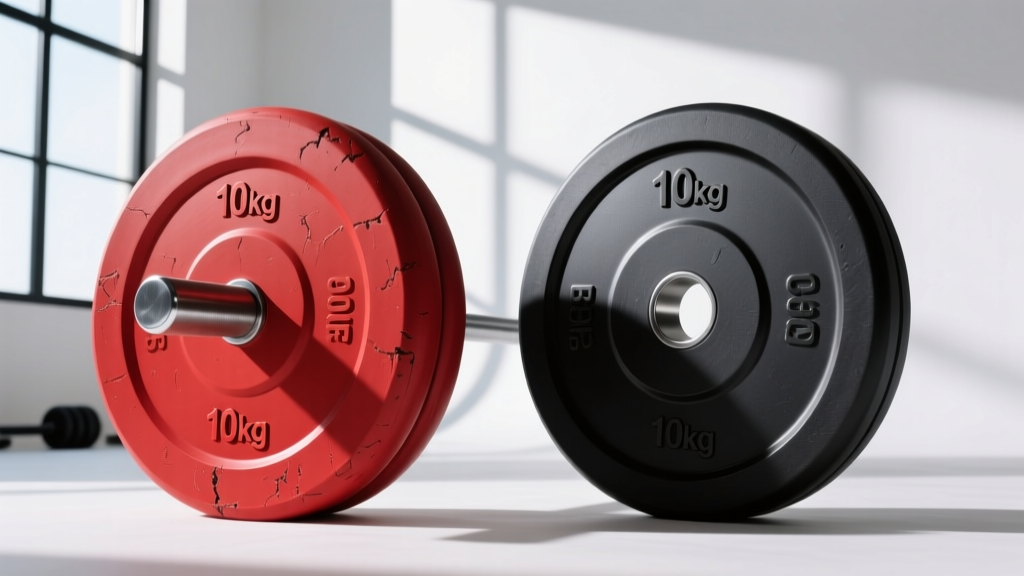
Beyond Holding Dumbbells: Bumper Plate vs Iron Plate Comparison
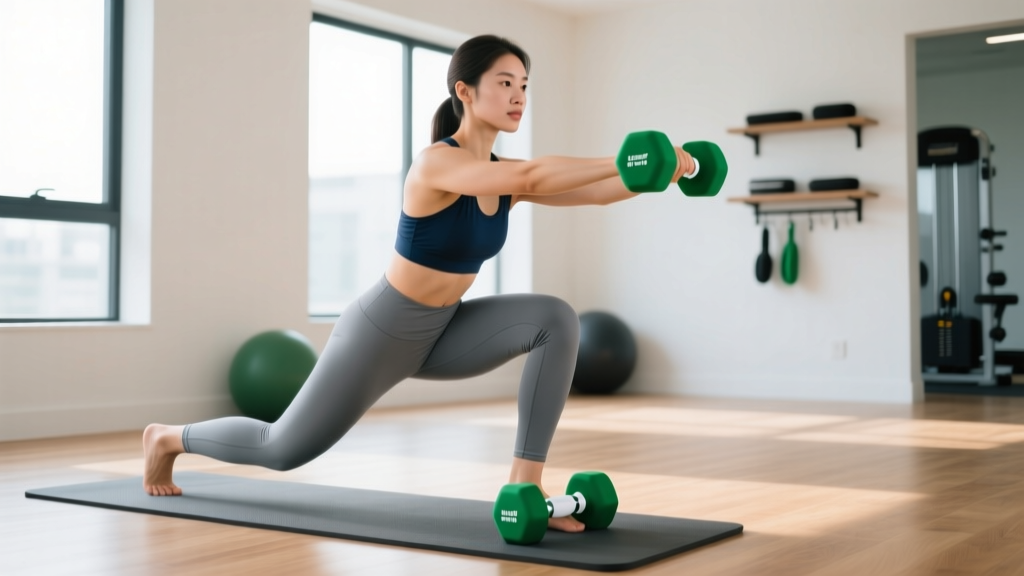
Front Lunges with Dumbbells: A Beginner's Guide to Neoprene Weights

Step-by-Step Dumbbell Exercises for Strength Using Neoprene Sets

Rear Delt Flyes With Dumbbells: 2026 Loadable Market Trends

Barbell Collar Clamp Setup & Arm Exercises with Dumbbells Video Guide
