
What Does Bent Over Dumbbell Row Work? 2026 Loadable Trends
Explore what does bent over dumbbell row work and why 2026 market trends favor loadable dumbbells with interchangeable plates for heavy back development.

The Biomechanical Catalyst: Why the Dumbbell Row Demands Better Hardware
When strength coaches and hypertrophy athletes ask what does bent over dumbbell row work, they are typically looking for a straightforward anatomical breakdown. However, in 2026, this question has evolved into a broader discussion about equipment limitations. The bent-over dumbbell row is a high-torque, multi-joint compound movement that exposes the exact failure points of traditional fixed-weight rubber hex dumbbells. As lifters progress, the biomechanical demands of the row necessitate a shift toward loadable dumbbells with interchangeable plates, driving a massive market trend in the home and boutique gym sectors.
To understand why the hardware market is shifting, we first must understand the physiological demands of the lift. According to the American Council on Exercise (ACE), the bent-over dumbbell row primarily targets the latissimus dorsi, rhomboids, middle and lower trapezius, and posterior deltoids, while the biceps brachii and erector spinae act as crucial synergists and stabilizers. Because the lifter must maintain a hip-hinged position while pulling unilateral loads, the exercise requires immense core stabilization and grip endurance.
The Problem with Fixed Dumbbells for Heavy Rows
The primary muscles worked during the dumbbell row—specifically the lats and rhomboids—are exceptionally strong and capable of moving heavy loads. In a traditional commercial gym, a lifter performing rows might quickly outgrow the 50 lb or 60 lb fixed dumbbells. The standard 10 lb increment jump to the next available fixed dumbbell represents a 16% to 20% increase in load. For an isolation or unilateral movement, this jump is often too large to maintain strict form, leading to momentum-based cheating and reduced time-under-tension for the target musculature.
This biomechanical bottleneck is exactly what has fueled the 2026 surge in loadable dumbbell systems. By utilizing interchangeable plates, athletes can micro-load their rows in 2.5 lb or 5 lb increments, ensuring continuous progressive overload without compromising the strict hip-hinge mechanics required to properly isolate the back musculature.
2026 Market Analysis: The Rise of Loadable Dumbbell Systems
The fitness equipment market has seen a definitive pivot away from expensive, space-consuming fixed dumbbell racks toward modular, plate-loaded solutions. Industry analysts note that the inflation of cast iron and urethane prices over the last three years has made a full set of fixed dumbbells (from 10 lbs to 100 lbs) prohibitively expensive for the average consumer, often exceeding $1,800.
Conversely, a high-quality pair of loadable dumbbell handles combined with a set of fractional and standard bumper plates can be assembled for under $450. According to gear testing authorities like BarBend, the modern loadable dumbbell has shed its reputation as a cheap, rattling spin-lock toy, evolving into precision-machined equipment capable of rivaling Olympic barbells in durability and sleeve rotation.
Cost vs. Utility: Fixed Rack vs. Loadable Setup
Let us break down the financial and spatial economics of outfitting a home gym specifically for heavy back training in 2026:
- Fixed Urethane Dumbbell Set (10-80 lbs): Approx. $1,400 - $1,800. Requires a 3-tier A-frame rack (approx. $250). Total footprint: 4 feet wide.
- Premium Loadable Handles + Iron Plates (up to 80 lbs per hand): Handles ($200) + 160 lbs of calibrated iron plates ($280) + Lock-jaw collars ($40). Total: $520. Footprint: Less than 2 square feet.
For the specific use case of the bent-over row, the loadable option offers superior utility. You can precisely match the weight to your daily readiness, and the physical profile of plate-loaded handles often allows for a deeper stretch at the bottom of the row compared to the bulky, blocky heads of urethane dumbbells.
Hardware Deep Dive: Top Loadable Systems for Back Training
Not all loadable dumbbells are created equal. The rotational torque generated during the eccentric (lowering) phase of a bent-over row will quickly expose inferior locking mechanisms. Below is a comparison of the top three market leaders in 2026 for heavy unilateral rowing.
| Brand & Model | Max Capacity | Sleeve Type & Collar | Handle Diameter | 2026 Street Price (Pair) |
|---|---|---|---|---|
| Rogue Loadable Dumbbell | 115 lbs (per handle) | Olympic (1.9") / Spring Collar | 1.2" (Chrome) | $195.00 |
| Ironmaster Quick-Lock V2 | 165 lbs (with add-on) | Proprietary Square / Screw-Lock | 1.1" (Knurled) | $399.00 (Base) |
| Titan Fitness Loadable | 100 lbs (per handle) | Olympic (1.9") / Spin-Lock | 1.2" (Zinc) | $149.99 |
When programming heavy bent-over rows, sleeve length matters. The Rogue and Titan Olympic loadable handles feature 6.5-inch sleeves. If you are using standard 10lb or 25lb cast iron plates (which are relatively narrow), you can easily fit 80+ lbs. However, if you use thick rubber bumper plates, you will max out the sleeve space around 45 lbs per hand. For heavy rows exceeding 60 lbs, Ironmaster's proprietary square-plate system or using thin calibrated steel plates on Olympic sleeves is mandatory.
Torque, Grip, and Failure Modes in Plate-Loaded Systems
Understanding what does bent over dumbbell row work also requires understanding the physics of the lift. The back muscles do not just pull the weight up; they control the pronation and supination forces of the forearm. During a heavy dumbbell row, the lifter naturally wants to pull the weight slightly toward the hip (the arc of the lat). This creates a rotational torque on the dumbbell handle.
The Spin-Lock Failure Mode
Cheap, traditional star-nut spin-lock collars are notorious for vibrating loose during high-rep sets of bent-over rows. As the lifter rows, the inertia of the plates causes them to spin slightly against the collar. By rep eight, the collar has backed off by two millimeters. By rep twelve, the plates are shifting laterally on the sleeve. This alters the center of mass mid-set, forcing the stabilizer muscles (rhomboids and rotator cuff) to compensate for the shifting load, which drastically increases injury risk and reduces lat isolation.
The 2026 Solution: Serious lifters are abandoning threaded spin-locks entirely. The market has standardized around either precision-machined screw locks (like the Ironmaster Quick-Lock system, which takes 2 seconds to secure and cannot vibrate loose) or heavy-duty aluminum clamp collars (like Rogue HG 2.0 Collars) used on Olympic loadable handles. If you are buying loadable dumbbells specifically for heavy back work, budget an extra $30 to $50 for high-quality clamp collars.
Programming Progressive Overload for the Dumbbell Row
Because the lats and mid-back respond exceptionally well to both heavy mechanical tension and metabolic stress, loadable dumbbells allow for advanced programming techniques that fixed dumbbells cannot accommodate.
- Fractional Micro-Loading: Using 0.5 lb or 1 lb magnetic fractional plates on your loadable handles allows you to add just 1 to 2 lbs to your row each week. Over a 12-week mesocycle, this results in a 15-20 lb increase in working weight without ever breaking down your form.
- Drop Sets with Plate Stripping: While adjustable dial dumbbells (like Bowflex or Nuobell) are great for quick drops, they are fragile and lack the knurling aggression needed for heavy, sweaty back sessions. Loadable handles allow you to quickly slide off a 10 lb plate and immediately resume your row with zero mechanical lag or fear of dropping a plastic-encased mechanism.
- Grip Fatigue Management: The knurling on premium loadable handles (like the 1.1" shaft on the Ironmaster) is typically much deeper than the smooth, painted handles of cheap fixed dumbbells. This aggressive knurling bites into the calluses, reducing the grip strength bottleneck that often causes lifters to fail a row set before their lats are fully stimulated.
Final Verdict: The 2026 Buying Recommendation
The anatomical answer to what does bent over dumbbell row work is a complex network of back, shoulder, and arm musculature that demands heavy, precise, and stable loading. The 2026 market has definitively proven that loadable dumbbells with interchangeable plates are no longer just a budget alternative to fixed racks; they are a superior tool for serious hypertrophy and strength athletes.
If your primary goal is heavy unilateral back training, we recommend investing in Olympic-sleeve loadable handles paired with calibrated steel plates and aluminum clamp collars. This setup provides the exact center-of-mass stability required for strict rows, the micro-loading capabilities necessary for long-term progressive overload, and the durability to withstand years of high-torque rotational forces. Ditch the 10-pound jumps, secure your collars, and let the lats do the work.
More gear to consider
All reviews
Bumper vs Iron Plate Trends & Dumbbell Exercises for Seniors PDF
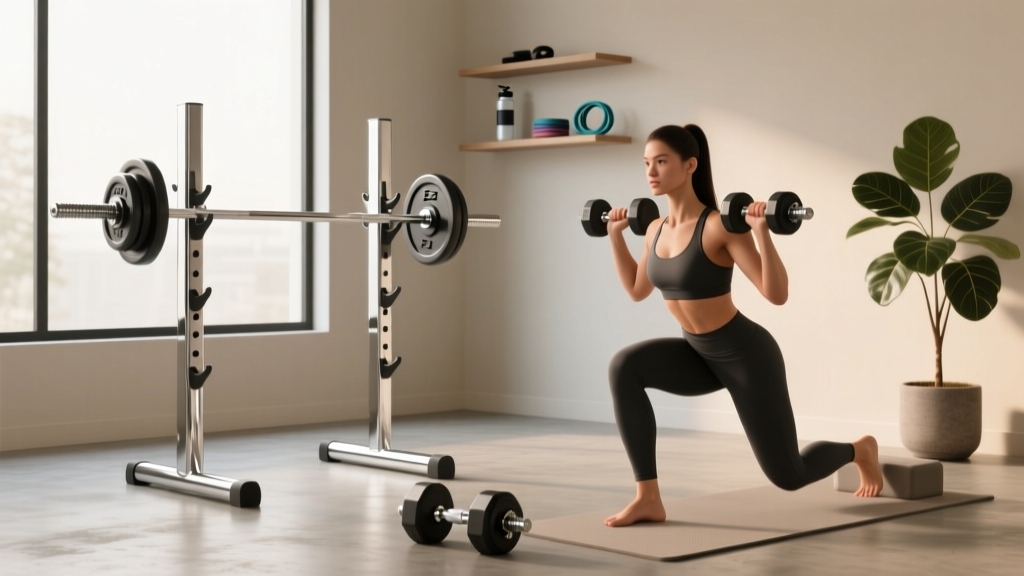
EZ Curl Bar vs Straight Bar & Dumbbell Bulgarian Squat Value
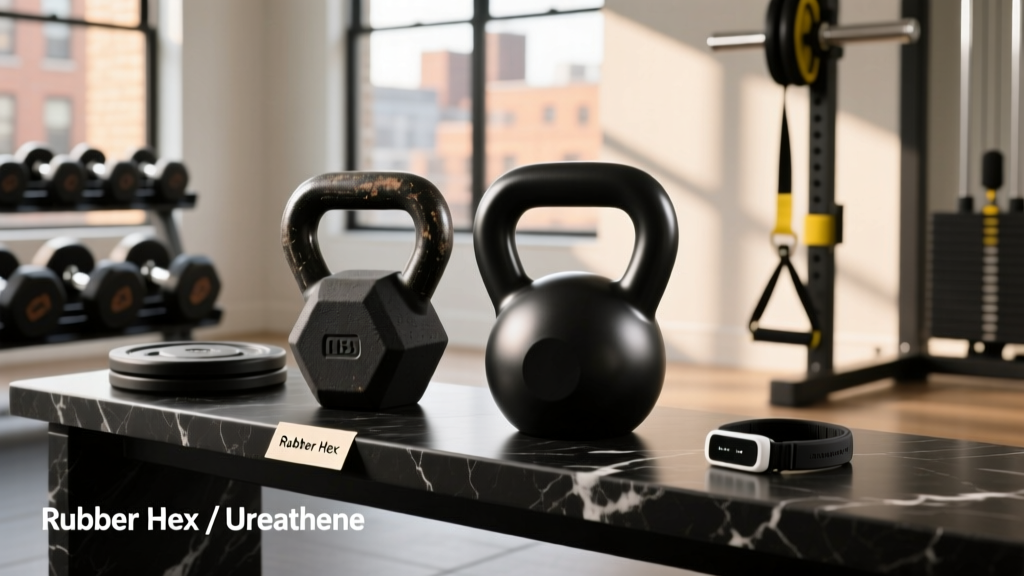
Rubber Hex vs Urethane: Dumbbell Press to Bench Press Calculator Data
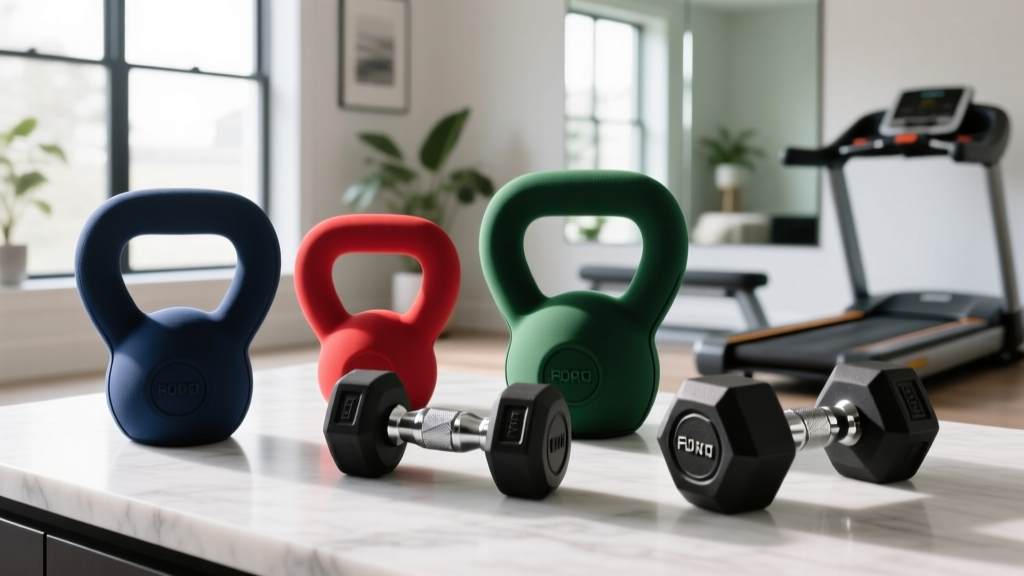
Neoprene Dumbbell Parts Explained: Home Gym Buying Guide

Great Arm Workouts With Dumbbells: 2026 Adjustable Gear Mistakes
