
Barbell Knurling Guide: Grip Fixes & Cable Flyes with Dumbbells
Troubleshoot grip failures and bar whip. Our Olympic barbell weight and knurling guide optimizes presses and cable flyes with dumbbells.

The Biomechanical Cost of the Wrong Barbell
When building a home gym or upgrading a commercial facility, lifters often obsess over plate calibration and rack stability while treating the barbell as an afterthought. This is a critical mistake. The barbell is the primary interface between your central nervous system (CNS) and the load. An improperly selected Olympic barbell—specifically regarding its weight distribution, whip, and knurling profile—will not only stall your strength progress but also create a cascade of grip fatigue that ruins subsequent hypertrophy work.
As a senior equipment reviewer, I see countless lifters troubleshoot the wrong variables. They blame their programming or recovery when the true culprit is a barbell with a passive 'hill' knurl that forces them to over-squeeze, or a sleeve rotation that binds during Olympic lifts. This guide serves as your definitive troubleshooting matrix for Olympic barbell weight and knurling, ensuring your heavy compound movements translate perfectly into isolated hypertrophy techniques.
“A barbell is not just a piece of steel; it is a calibrated spring. Ignoring its tensile strength and knurl geometry is like driving a sports car with misaligned tires.” — FitGearPulse Engineering Team
Decoding Olympic Barbell Weight and Tensile Specs
Before addressing the knurl, we must troubleshoot the bar's foundational physics. The USA Weightlifting Technical Rules mandate strict tolerances for competition bars, but the commercial market is flooded with 'Olympic-style' bars that fail to meet these benchmarks.
Data Highlight: The 20kg StandardA true men's Olympic barbell must weigh exactly 20kg (44.09 lbs), measure 2200mm in total length, and feature a 28mm shaft diameter. Women's bars are 15kg (33.07 lbs), 2010mm long, with a 25mm shaft. If your bar weighs 45 lbs but features a 28.5mm or 29mm shaft, it is a 'power bar' hybrid, not a true Olympic weightlifting bar, and will alter your grip mechanics.
Troubleshooting Bar Whip and Tensile Strength: Whip is the elastic deformation of the bar during the pull. It is dictated by tensile strength, measured in PSI (pounds per square inch).
- Under 165,000 PSI: Avoid entirely. These bars will permanently bend (take a 'set') if dropped with heavy loads.
- 190,000 PSI: The gold standard for multi-purpose gym bars. Offers enough rigidity for heavy squats and bench presses while providing a manageable whip for cleans.
- 215,000+ PSI: Elite weightlifting bars. High whip aids the 'bounce' out of the hole in a clean, but can feel unstable for strict, slow-tempo powerlifting movements.
When testing a bar, perform the 'drop test' from shoulder height with 20kg of plates. A quality bar will oscillate and return to dead-straight. A subpar bar will exhibit a dead, clunky vibration or fail to center.
Knurling Profiles: A Troubleshooting Matrix
Knurling is the patterned steel etching on the shaft designed to increase friction. The most common mistake buyers make is assuming 'more aggressive is always better.' Aggressive knurling tears calluses during high-volume work, while passive knurling causes the bar to slip during heavy deadlifts. Here is how to troubleshoot your knurling needs based on the three primary geometries.
| Knurl Type | Geometry & Feel | Best Application | Common Failure Mode |
|---|---|---|---|
| Hill | Rounded peaks, shallow valleys. Smooth to the touch. | High-rep hypertrophy, beginners, budget home gyms. | Slippage during heavy deadlifts or front squats; forces excessive grip squeezing. |
| Volcano | Sharp ridges with a flattened, cratered top. Grippy without being sharp. | Multi-purpose lifting, powerbuilding, daily training. | Rare. The Rogue Ohio Bar popularized this as the ultimate hybrid solution. |
| Mountain | Sharp, aggressive, pointy peaks. Bites deeply into the skin. | Heavy 1-rep max deadlifts, specialized powerlifting bars. | Severe callus tearing on high-volume days; CNS grip fatigue. |
If you are experiencing chronic hand tears, your bar likely features a 'mountain' knurl that has accumulated chalk and dead skin, turning the peaks into jagged blades. If the bar slips when your hands are sweaty, you are dealing with a 'hill' knurl that lacks the necessary valley depth to channel moisture away.
The Grip Fatigue Cascade: Heavy Presses to Cable Flyes with Dumbbells
To understand why barbell selection impacts your entire workout, we must look at the biomechanics of grip fatigue and CNS taxation. When programming a chest hypertrophy block, advanced lifters often pair heavy barbell benching with isolation movements to maximize muscle fiber recruitment. A highly effective, albeit advanced, hybrid technique is performing cable flyes with dumbbells.
Why Hybrid Isolation Fails After Aggressive Knurling
Executing cable flyes with dumbbells typically involves either a mechanical drop-set (moving immediately from cable crossovers to dumbbell flyes to exhaust the pecs) or an advanced accommodating resistance setup where cable carabiners are clipped to the ends of dumbbells to alter the resistance curve. Both variations require immense wrist stabilization and fine motor control from the forearms and hands.
Here is where the troubleshooting comes in: If your Olympic barbell features an overly aggressive, poorly maintained knurl, the micro-trauma to your epidermal layers and the resulting CNS grip fatigue from heavy barbell presses will severely compromise your stabilization during these cable flyes with dumbbells. Your forearms will cramp, your grip will fail, and your pectorals will be under-stimulated because your hands gave out before the target muscle did.
By selecting a barbell with a refined 'volcano' knurl, you secure the heavy load without destroying the nerve endings in your palms. This preserves the intricate grip strength required to stabilize the eccentric load of cable flyes with dumbbells, ensuring the tension remains squarely on the chest musculature where it belongs. For a comprehensive look at premium bars that balance grip and tissue preservation, review the Eleiko Olympic Barbell lineup, which utilizes a proprietary knurl that grips securely without acting like a cheese grater.
Center Knurling: IPF vs. IWF Placement Errors
The center knurl is a small band of etching in the middle of the bar designed to grip the back of your shirt or skin during squats. Troubleshooting your squat setup requires knowing which standard your bar follows.
- IWF (Weightlifting) Standard: Features a 120mm wide center knurl. This is designed to catch the collarbone and upper chest during the clean and jerk recovery phase.
- IPF (Powerlifting) Standard: Features a wider, often more aggressive center knurl designed to bite into the upper back to prevent the bar from sliding down the traps during low-bar squats.
The Mistake: Buying a power bar with an aggressive IPF center knurl for a home gym where you also perform bench presses and cleans. The aggressive center knurl will scrape your chest raw during bench press setups and bruise your collarbones during cleans. If you are a multi-disciplinary lifter, purchase a bar with a passive or completely absent center knurl.
Troubleshooting Sleeve Rotation: Bushings vs. Bearings
If you feel a twisting torque in your wrists during snatches or cleans, your barbell's sleeve rotation is failing. The sleeves (the thick ends where plates load) must spin independently of the shaft to dissipate rotational force.
- Identify the Hardware: Bronze bushings are standard for powerlifting and multi-purpose bars; they provide a slow, controlled spin. Needle bearings are mandatory for Olympic weightlifting; they allow rapid, frictionless spinning.
- The Spin Test: Hold the shaft and spin the sleeve with your hand. It should spin freely for several seconds and stop gradually. If it stops abruptly or makes a grinding noise, the bushings are dry or the bearings are blown.
- The Fix: Most high-end bars feature a sealed sleeve assembly. Do not spray WD-40 into the sleeve gap; this attracts dust and creates an abrasive paste. Use a drop of 3-in-One oil or synthetic barbell oil on the sleeve gap, wipe the excess, and let it capillary into the bushing.
Maintenance Protocol: Saving Your Knurl and Your Hands
A $300 barbell can be ruined in six months through improper maintenance. The most catastrophic mistake gym owners and home lifters make is using a stainless steel wire brush to clean the knurl. A wire brush will strip the zinc, black oxide, or cerakote coating right off the steel, leading to rapid oxidation (rust) and blunting the sharp peaks of the knurl.
The Correct Protocol:
- Use a stiff nylon brush to scrub out chalk, dead skin, and magnesium carbonate buildup from the knurl valleys.
- Wipe the shaft down with a microfiber cloth lightly dampened with a non-corrosive cleaner or simple water after heavy sweat sessions.
- Apply a light coat of 3-in-One oil to the shaft once a month, letting it sit for 10 minutes before wiping it completely dry. This prevents rust while maintaining the exact friction coefficient the manufacturer engineered.
By treating your barbell as a precision instrument rather than a blunt object, you ensure that your heavy compounds remain safe, your grip remains intact, and your transition into delicate, high-tension isolation movements is seamless and effective.
More gear to consider
All reviews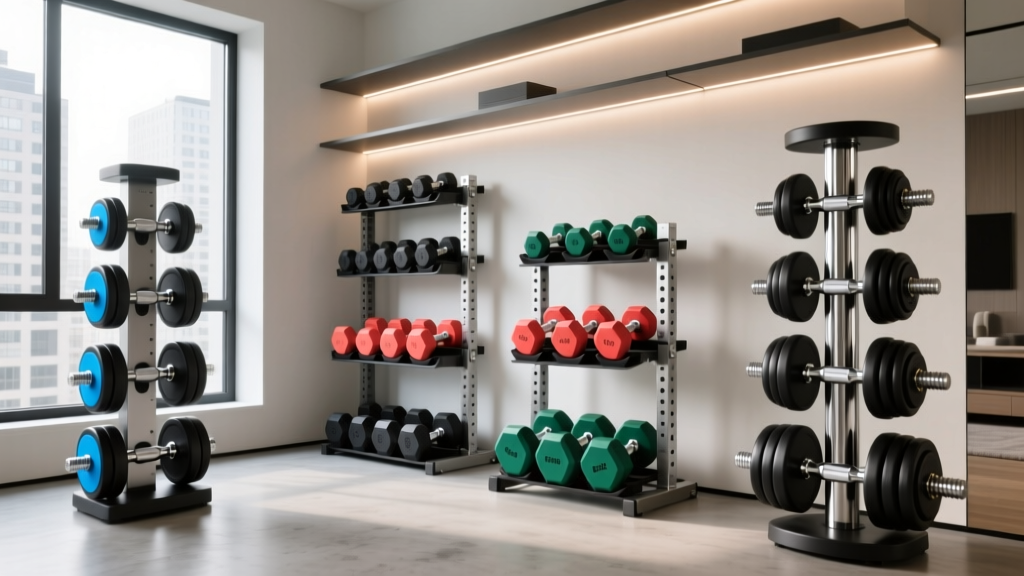
Dumbbell Tenement Racks: 2026 Budget & Storage Guide

Weight Lifting at Home With Dumbbells & Plates: Olympic vs Standard

Cast Iron vs Competition Kettlebells & MX55 Dumbbells Guide
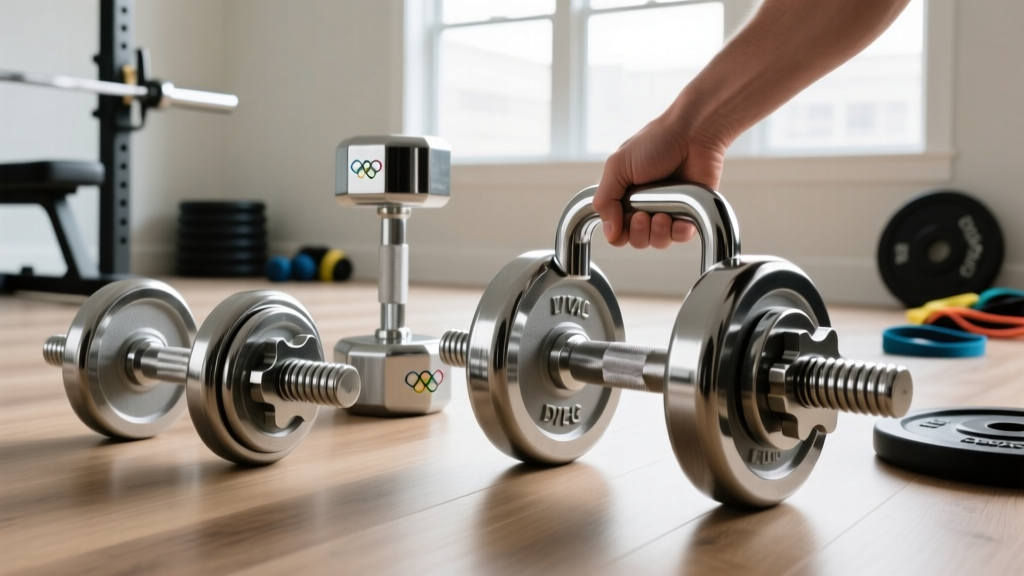
Olympic Dumbbell & Barbell Collars: A Beginner Guide
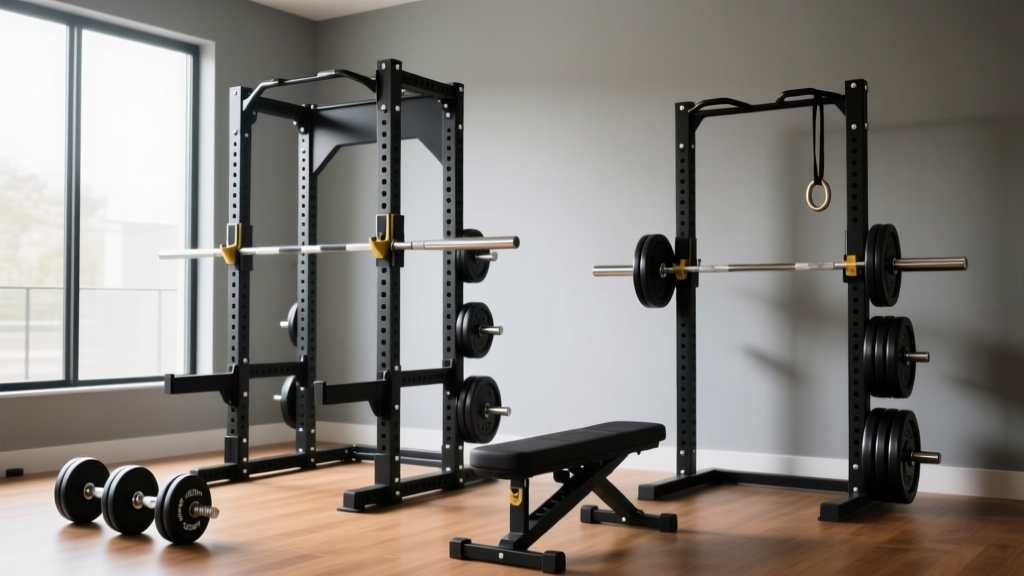
Power Rack vs Squat Rack vs Squat Stand for Dumbbell Complexes
