
Barbell Knurling Guide: Upgrading the French Press Exercise Dumbbell
Avoid common Olympic barbell buying mistakes. Our troubleshooting guide covers weight tolerances, knurl patterns, and transitioning from dumbbell isolation work.

The Grip Transition: From Dumbbells to Olympic Barbells
When isolating the triceps, many lifters start with a french press exercise dumbbell—typically a 30lb to 50lb urethane or neoprene hex dumbbell. The smooth, contoured handle of a dumbbell requires minimal grip friction, relying instead on ergonomic shaping to keep the weight secure during skull crushers. But as you progress to a 20kg Olympic barbell for heavy close-grip bench presses or barbell french presses, the biomechanical demands on your hands change drastically.
Buying an Olympic barbell without understanding weight tolerances and knurling patterns is one of the most expensive mistakes a home gym owner can make in 2026. A poorly chosen bar will either shred your calluses during high-rep sets or slip from your grasp when you are sweating through a heavy PR. Below, we break down the most common purchasing errors and provide a troubleshooting framework to fix your grip and barbell whip issues.
⚠️ Common Failure Mode: The 'Cheesegrater' Effect
If your hands are tearing on heavy pulls, you likely purchased a barbell with an aggressive 'mountain' knurl (common in cheap, unbranded Amazon barbells) instead of a refined 'volcano' knurl found on premium 2026 models like the Rogue Ohio Bar.
Mistake #1: Misunderstanding Barbell Weight and Tensile Strength
Many buyers assume all standard Olympic barbells weigh exactly 45 lbs (20 kg) and can handle any amount of dropped weight. This is a critical error. The structural integrity of a barbell is dictated by its tensile strength, measured in Pounds per Square Inch (PSI). If you buy a bar with a tensile strength below 165,000 PSI, it will permanently bend if you drop it from shoulder height during a failed front squat.
Olympic Barbell Weight & Tensile Strength Matrix
| Barbell Type | Standard Weight | Shaft Diameter | Min. Tensile Strength | Best Use Case |
|---|---|---|---|---|
| Men's Olympic | 20 kg (44 lbs) | 28.5 mm | 190,000 PSI | Powerlifting, CrossFit, General Strength |
| Women's Olympic | 15 kg (33 lbs) | 25 mm | 190,000 PSI | Olympic Weightlifting, Smaller Hand Sizes |
| Multi-Purpose | 20 kg (44 lbs) | 28 mm | 165,000 - 185,000 PSI | Light Home Gym Use, Beginners |
| Specialty Curl/EZ | 15-35 lbs (Varies) | 25-28 mm | N/A (Bent Shaft) | Biceps/Triceps Isolation (Barbell French Press) |
Source: Specifications verified via Garage Gym Labs' comprehensive barbell testing database.
Troubleshooting Tip: If your current barbell has a permanent downward curve when unloaded, its tensile strength was too low for your working weights. You must upgrade to a bar with a minimum of 190k PSI, such as the Rep Fitness Colorado Bar (retailing around $349 in 2026) or the Rogue Ohio Bar ($245).
Mistake #2: Choosing the Wrong Knurl Pattern
Knurling is the cross-hatched pattern machined into the steel shaft. It is the single most important factor in barbell feel and grip security. When transitioning from the smooth handle of a french press exercise dumbbell to a barbell, lifters often overcompensate by buying the sharpest knurl available, leading to chronic skin tearing.
The Three Knurl Profiles Explained
- Volcano Knurl: The gold standard for modern multi-purpose bars. The machine cuts a sharp ring but leaves a small flat peak at the top. It provides immense grip friction without acting like a razor blade. Found on: Rogue Ohio Bar, AB California Bar.
- Mountain Knurl: Sharp, aggressive, and pointed at the peak. Excellent for heavy, low-rep deadlifts where chalk and maximum friction are required, but terrible for high-rep Olympic lifts or pressing movements. Found on: Older Texas Power Bars, budget import bars.
- Hill Knurl: The peaks are flattened significantly, creating a smooth, almost mild feel. Ideal for high-rep snatches and cleans where the bar must spin freely in the hook grip without tearing the thumb. Found on: Eleiko Olympic Weightlifting Bar ($1,150+).
'The transition from isolation dumbbells to compound barbells requires a recalibration of your grip expectations. A volcano knurl offers the perfect bridge: aggressive enough for heavy benching, but refined enough to survive high-volume WODs.' — BarBend Equipment Experts
Mistake #3: Ignoring Sleeve Construction (Bushings vs. Bearings)
Have you ever felt a jarring twist in your wrists during a barbell french press or a clean? That is a sleeve rotation failure. The sleeves (the thick ends where you load the plates) must spin independently of the shaft.
Bushing vs. Bearing Troubleshooting
- Bronze/Composite Bushings: Best for powerlifting and general strength. They provide a slow, controlled spin. If you are doing heavy bench presses or using the barbell for triceps extensions, bushings prevent the bar from over-rotating in your hands.
- Needle Bearings: Best for Olympic weightlifting. They allow lightning-fast sleeve rotation. If you try to do heavy, slow powerlifting movements with a bearing bar, the excessive spin can cause the bar to roll out of your grip during a close-grip bench press.
💡 The 2026 Hybrid Solution
If you only have the budget for one barbell in your home gym, look for a hybrid bushing system. Bars like the Rep Fitness Excalibur use advanced composite bushings that offer a smoother spin than traditional bronze, bridging the gap between powerlifting and CrossFit demands without the $800+ price tag of needle-bearing bars.
Step-by-Step Barbell Diagnostic Checklist
Use this framework to troubleshoot your current barbell setup and determine if it is time for an upgrade.
- Step 1: The Spin Test. Load a 25lb plate on one sleeve. Spin it with your hand. It should spin freely for at least 4-5 seconds. If it stops immediately, your bushings/bearings are seized or lacking lubrication. Fix: Disassemble the sleeve and apply 3-in-One oil or white lithium grease.
- Step 2: The Chalk Check. Run your thumb over the knurl. If chalk is deeply impacted and impossible to brush out with a standard nylon brush, the knurl peaks are too sharp (mountain profile) and are actively micro-tearing your skin. Fix: Switch to a volcano knurl bar and use a brass wire brush for weekly maintenance.
- Step 3: The Whip Evaluation. Load the bar to 315 lbs and perform a heavy shrug or squat. If the ends bounce violently and throw off your balance, the bar has too much 'whip' (common in 28mm or 25mm shafts). Fix: Upgrade to a stiff 29mm powerlifting shaft.
Final Thoughts on Upgrading Your Arsenal
Whether you are executing heavy skull crushers or pulling a 400lb deadlift, your connection to the steel is everything. Moving past the beginner phase—where a simple french press exercise dumbbell was enough to stimulate growth—requires a serious investment in proper Olympic weightlifting equipment. By prioritizing a minimum of 190,000 PSI tensile strength and selecting a refined volcano knurl pattern, you will protect your hands, improve your force output, and buy a piece of equipment that will easily outlast your lifting career. Always consult verified manufacturer specs on sites like Rogue Fitness before pulling the trigger on your next barbell purchase.
More gear to consider
All reviews
EZ Curl Bar vs Straight Bar Care & Leg Extensions with Dumbbells
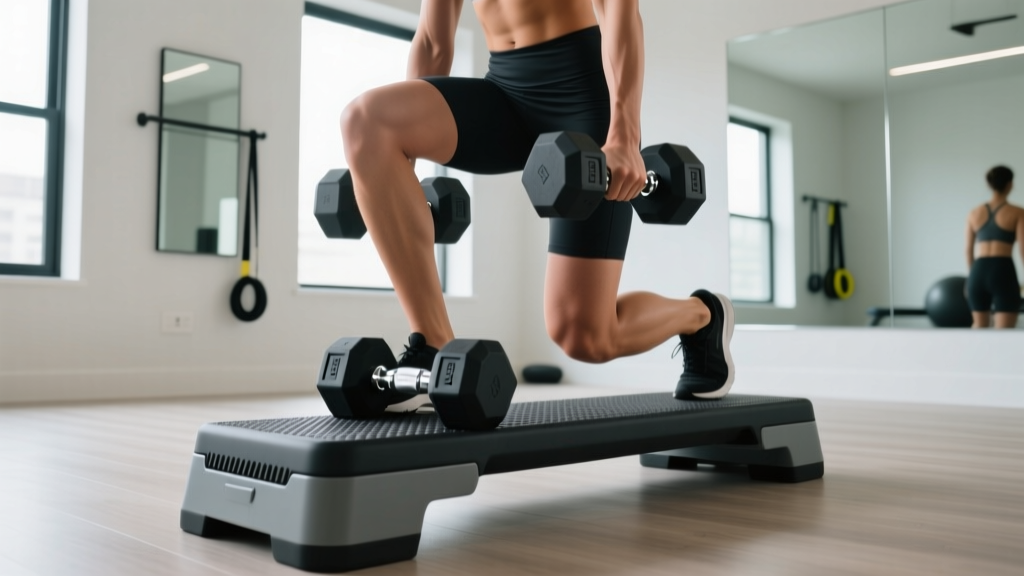
Dumbbell Stepups: Form Mistakes & Neoprene Dumbbell Troubleshooting
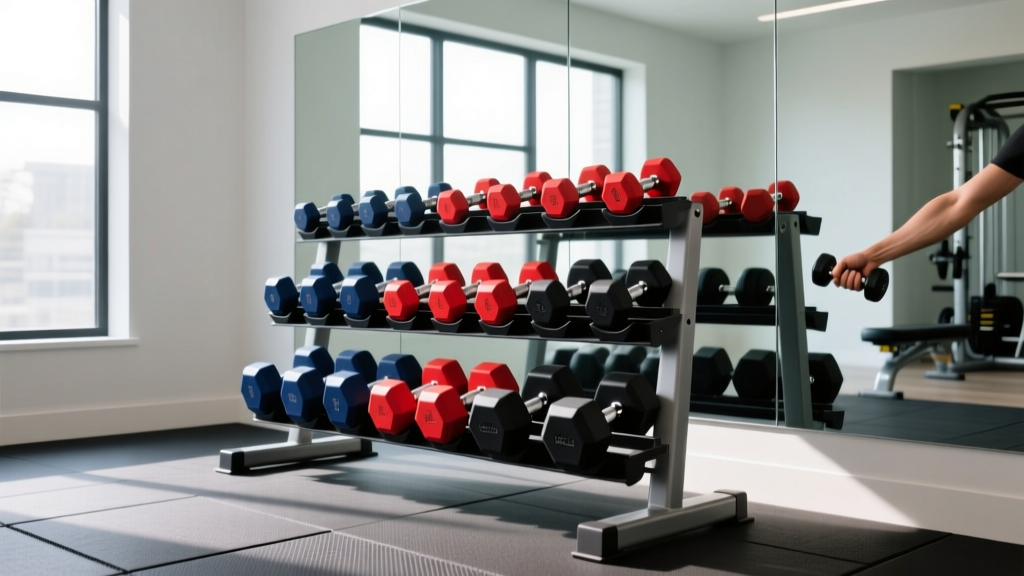
Space-Saving Dumbbell Racks for Your Dumbbell Leg Workout

Elevated Dumbbell Squat Setup: Olympic vs Standard Plates
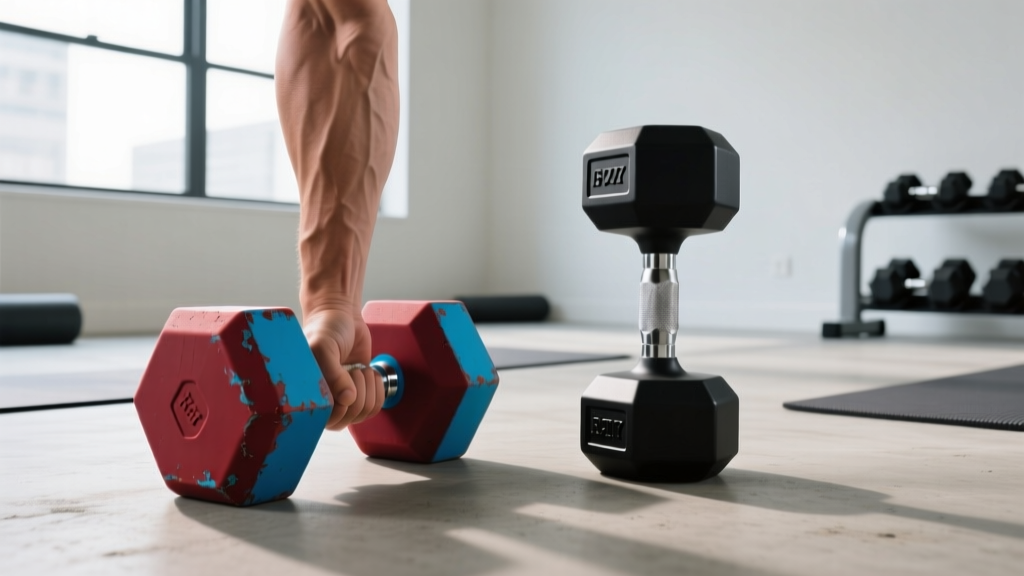
Side Dumbbell Raise Equipment Trends: Rubber Hex vs Urethane
