
Barbell Knurling & Weight Guide: Beyond the Dumbbell Flys Workout
Master Olympic barbell weight, tensile strength, and knurling patterns. The ultimate 2026 buying guide to complement your dumbbell flys workout.

The Bridge Between Isolation and Absolute Overload
Isolation movements are the bedrock of targeted hypertrophy. A well-programmed dumbbell flys workout is unparalleled for stretch-mediated muscle damage in the pectorals, allowing for a deep range of motion that barbells simply cannot match. However, as you advance in your training, you will inevitably hit a stabilization and grip bottleneck. Trying to press or fly 100 lb dumbbells requires as much energy balancing the load as it does contracting the chest.
This is where the Olympic barbell becomes non-negotiable. Transitioning to heavy barbell compounds (like the bench press and squat) builds the raw central nervous system (CNS) output and baseline strength that makes your isolation work exponentially more effective. But not all barbells are created equal. In 2026, the market is flooded with subpar imports that bend under load and tear your calluses. To build a home gym that lasts a lifetime, you must understand the holy trinity of barbell engineering: tensile strength, whip, and knurling geometry.
💡 The Dumbbell to Barbell Transition
While a dumbbell flys workout maximizes the stretched position of the pec, it lacks the absolute overload potential of a barbell. Moving to a barbell allows you to safely push past the 100 lb per-hand ceiling, overloading the triceps and anterior deltoids to build the pressing foundation required to eventually handle heavier dumbbells with strict form.
Decoding Barbell Weight, Tensile Strength, and Whip
When shopping for an Olympic barbell, the physical weight (usually 20kg / 44lbs for men, 15kg / 33lbs for women) is the least important metric. The true measure of a barbell's quality is its Tensile Strength, measured in Pounds per Square Inch (PSI). This dictates how much stress the steel can take before permanently deforming or snapping.
The PSI Hierarchy
- Under 165,000 PSI: Avoid. These are typically cheap, big-box store bars that will permanently bend (take a 'set') if you drop them or load them past 250 lbs.
- 190,000 PSI (The Standard): The sweet spot for entry-to-mid-level lifters. It offers enough durability for heavy squats and benching without the premium price tag.
- 210,000 - 215,000+ PSI (Elite): Found in competition-grade power bars. These bars will not bend under humanly possible loads and offer maximum rigidity.
Understanding 'Whip'
Whip refers to the barbell's elasticity or bounce at the ends when loaded. According to BarBend's comprehensive barbell selection framework, whip is highly dependent on the bar's diameter and intended use:
- Olympic Weightlifting Bars (25mm shaft): Designed with high whip. The bounce assists lifters in the bottom of a clean or snatch, allowing them to ride the bar's momentum upward.
- Powerlifting Bars (29mm shaft): Designed to be incredibly stiff. When benching or squatting heavy, a stiff bar ensures the weight doesn't wobble or bounce unpredictably off your chest or back.
- Multi-Purpose Bars (28.5mm shaft): The goldilocks zone. Moderate whip makes them suitable for both dynamic Olympic lifts and heavy power movements.
The Knurling Matrix: Hill, Mountain, and Volcano
If tensile strength is the skeleton of the barbell, the knurling is its skin. Knurling is the cross-hatched pattern machined into the steel to provide grip. In 2026, manufacturing precision has evolved, and understanding knurl geometry is critical for hand health and grip security. As detailed in Garage Gym Labs' definitive knurl guide, there are three primary profiles:
| Knurl Profile | Geometry | Aggressiveness | Best Application | 2026 Benchmark Model |
|---|---|---|---|---|
| Hill | Wide, rounded peaks with shallow valleys. | Mild / Passive | High-rep WODs, beginners, barefoot lifting. | Rep Fitness Excalibur |
| Mountain | Sharp, pointed peaks. Standard diamond cut. | Aggressive / Sharp | Heavy 1-3 rep maxes, powerlifting. | Rogue Ohio Power Bar |
| Volcano | Deep valleys with a sharp, crater-like rim. | Grippy but forgiving | All-around use, heavy benching without tearing skin. | Kabuki Strength New Gen |
Expert Insight: Volcano knurling is widely considered the apex of modern barbell engineering. Because the lathe cuts at an angle, it removes the sharp top point of the 'mountain', leaving a sharp rim that digs into the skin for immense friction without acting like a cheese grater on your calluses during high-volume bench sessions.
Knurl Marks, Rings, and Center Knurls
The smooth rings etched into the knurling are not just for aesthetics; they are standardized measurement markers for competition compliance.
- IPF Marks (810mm apart): Required for powerlifting. These marks help you set up a legal, consistent grip width for the bench press. If you are transitioning from a dumbbell flys workout to barbell benching, using the IPF marks ensures your hands are perfectly symmetrical, preventing shoulder imbalances.
- IWF Marks (910mm apart): Required for Olympic weightlifting, indicating the maximum legal grip width for the snatch.
- Dual Marks: Found on multi-purpose bars, featuring both rings to accommodate hybrid athletes.
The Center Knurl Debate
Power bars feature a knurled center section (usually 4 to 6 inches wide) designed to grip the fabric of your t-shirt or back during heavy low-bar squats. Olympic weightlifting bars omit the center knurl entirely, as it would tear the skin on the lifter's chest and neck during the clean and jerk. If your training is strictly bench, squat, and deadlift, a center knurl is highly recommended.
2026 Top Barbell Recommendations by Grip Profile
Based on current market pricing, finish durability, and knurl consistency, here are the top tier options for your home gym this year.
1. The Aggressive Powerlifter: Rogue Ohio Power Bar (Cerakote)
- Tensile Strength: 205,000 PSI
- Knurl: Deep Mountain
- Price: ~$325.00
- Verdict: The industry standard. The Cerakote ceramic-polymer finish provides unmatched rust resistance while remaining thin enough to preserve the aggressive bite of the mountain knurl. Ideal for heavy, low-rep benching and squatting.
2. The Premium All-Rounder: Kabuki Strength New Gen Power Bar
- Tensile Strength: 250,000+ PSI (Proprietary Steel)
- Knurl: Refined Volcano
- Price: ~$330.00
- Verdict: Kabuki's in-house machining produces some of the most consistent volcano knurling on the market. It grips like sandpaper but won't rip your hands open during high-volume hypertrophy blocks.
3. The Budget-Conscious Hybrid: Rep Fitness PR-1100
- Tensile Strength: 190,000 PSI
- Knurl: Mild Volcano / Dual Marks
- Price: ~$249.00
- Verdict: An incredible entry-point that doesn't sacrifice safety or grip. Features dual knurl marks and a center knurl, making it perfect for lifters who mix Olympic lifts with heavy power movements.
Maintenance: Protecting Your Investment
Even the most expensive Cerakote barbell will degrade if neglected. Chalk and dead skin pack into the knurl valleys, creating a paste that attracts moisture and accelerates oxidation (rust).
- Brush Weekly: Use a stiff nylon or brass brush (brass is softer than steel and won't damage the bar's finish) to scrub the knurling.
- Oil Monthly: Apply a light coat of 3-in-One oil or mineral oil to the shaft and sleeves. Wipe off the excess with a microfiber cloth.
- Store Properly: Keep the barbell on a rack in a climate-controlled room. Leaving it on the floor of an unheated garage is a death sentence for the sleeves and bushings.
Frequently Asked Questions
Can I use a power bar for a dumbbell flys workout alternative like the barbell floor press?
Yes. The barbell floor press is an excellent compound alternative to the dumbbell flys workout that limits the range of motion, placing immense overload on the triceps and lockout strength. A stiff power bar is ideal for this, as it prevents dangerous whip when the bar contacts the floor.
Do I need needle bearings if I only bench and squat?
No. Needle bearings allow the sleeves to spin rapidly, which is necessary for Olympic cleans and snatches to prevent the bar's momentum from tearing your wrists. For powerlifting (bench, squat, deadlift), high-quality bronze bushings are actually preferred, as they provide a more stable, less 'wobbly' feel under heavy, slow loads.
Why is my cheap barbell bending permanently?
Sub-$150 barbells often use low-grade steel with a tensile strength below 150,000 PSI. When subjected to heavy squats or dropped during deadlifts, the steel passes its 'yield point' and permanently deforms. Always invest in a bar with a minimum 190k PSI rating to ensure lifelong durability.
More gear to consider
All reviews
Cast Iron vs Competition Kettlebells & Dumbbell Shoulder Extension
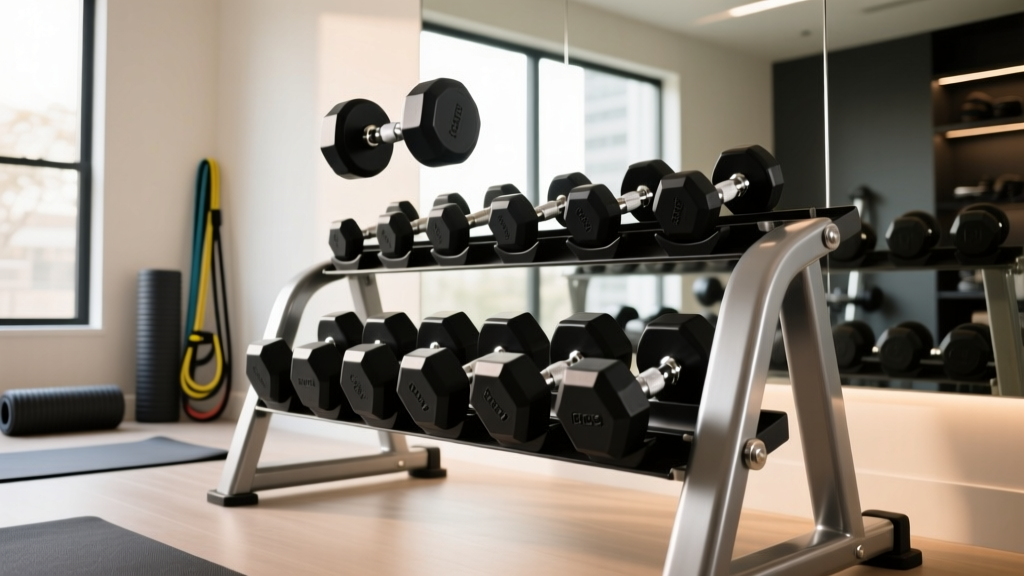
Top 2026 Dumbbell Racks to Support Dumbbell Row Muscles Workouts

Olympic Barbell Knurling Guide & Dumbbell Lateral Shoulder Raise Tips

Cast Iron vs Competition Kettlebells & Black Hex Dumbbells Care

Power Rack vs Squat Rack vs Squat Stand: A Dumbbell Workout Guide
