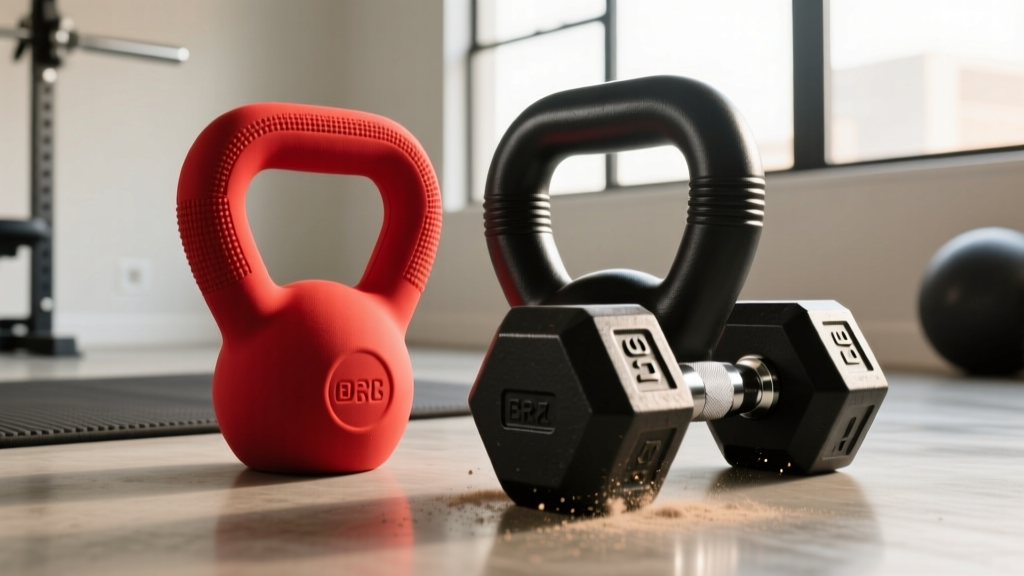
Cast Iron vs Competition Kettlebell Care & Two Dumbbell Back Workout
Master kettlebell longevity with our cast iron vs competition buying guide. Plus, gear maintenance tips for your heavy two dumbbell back workout days.

Investing in high-quality free weights is a cornerstone of any serious home or commercial gym. However, the longevity of your equipment depends entirely on your understanding of metallurgy, coating technologies, and proactive maintenance. Whether you are deciding between cast iron and competition kettlebells, or managing the wear-and-tear of a high-volume two dumbbell back workout, proper care protocols are non-negotiable. In this comprehensive guide, we break down the material science of your gear, outline exact maintenance routines, and explore how different back-training modalities impact your equipment's lifespan.
The Metallurgy of Longevity: Cast Iron vs. Competition Kettlebells
Before you can maintain your kettlebells, you must understand what they are made of. The market is dominated by two primary categories, each with distinct failure modes and care requirements. According to the Kettlebell Kings Buying Guide, understanding the difference between cast iron and steel competition bells is critical for matching the tool to your training environment.
Cast Iron Kettlebells (e.g., Rogue KB-CI Series)
Cast iron bells are poured into molds, resulting in a slightly varied profile depending on the weight. They are typically finished with a powder-coat or e-coat. Powder-coat provides an excellent surface for chalk adherence, making it ideal for high-repetition ballistic movements. However, the primary failure mode for cast iron is coating delamination. If repeatedly dropped on raw concrete, the brittle powder coat can chip, exposing the porous cast iron underneath to rapid oxidation (rust).
Competition Kettlebells (e.g., Kettlebell Kings KK-COMP-35)
Competition bells are machined from solid steel and feature a uniform dimension regardless of weight (typically a 35mm handle diameter and 280mm height). Because steel is denser than cast iron, the bell body is smaller, and the handles are often left raw or lightly treated to prevent the chalk buildup that plagues powder-coated handles. The main failure mode here is handle corrosion from sweat and environmental humidity, as raw steel lacks a protective polymer barrier.
| Feature | Cast Iron (Powder-Coated) | Competition (Solid Steel) |
|---|---|---|
| Material | Cast Iron Alloy | Machined Solid Steel |
| Handle Diameter | Variable (33mm - 40mm) | Standard 35mm |
| 2026 Avg. Pricing | $1.60 - $1.95 / lb | $2.40 - $2.85 / lb |
| Primary Failure Mode | Coating chips & base rust | Handle oxidation & pitting |
| Best Environment | Climate-controlled gyms, rubber mats | Cross-training, outdoor, competition |
Step-by-Step Maintenance Protocols
To maximize the lifespan of your kettlebells, implement the following maintenance schedule. Neglecting these steps will lead to degraded grip quality and structural oxidation.
⚠️ Warning: The Chalk & Sweat Corrosion Cycle
Magnesium carbonate (gym chalk) is highly hygroscopic, meaning it absorbs moisture from the air and your sweat. When left packed in the knurling or porous powder coat of a kettlebell handle, it creates a localized, high-humidity microenvironment that accelerates rust formation by up to 40%.
Weekly Cleaning Routine
- Brush Out the Chalk: Use a brass wire brush (never steel, which will scratch and damage powder coats and zinc plating). Brush the handle and horns in a circular motion for 30 seconds per bell.
- Wipe Down: Use a damp microfiber cloth with a mild, non-corrosive degreaser (like a 10:1 water-to-Simple-Green solution) to wipe away sweat salts and dead skin.
- Dry Completely: Moisture is the enemy. Dry the bell immediately with a separate, clean towel.
Monthly Oiling & Protection
For raw steel competition handles or exposed cast iron chips, apply 3-IN-ONE Multi-Purpose Oil. Place exactly 2 to 3 drops on the handle, rub it in with your bare hands (the warmth helps penetration), let it dwell for 4 minutes, and buff it completely dry with a microfiber cloth. Leaving excess oil will attract dust and create a slippery hazard during snatches or cleans.
Equipment Wear & Tear: Kettlebell Rows vs. The Two Dumbbell Back Workout
When programming heavy posterior chain and latissimus dorsi days, athletes frequently alternate between single-arm kettlebell rows and a classic two dumbbell back workout. While both modalities build immense back strength, they subject your equipment to vastly different wear patterns, requiring distinct maintenance approaches.
The Kettlebell Row: Handle Degradation
Heavy single-arm kettlebell rows require an aggressive grip. The handle is subjected to high shear forces, and athletes typically load up on chalk to prevent the bell from slipping during the eccentric phase. Over time, this aggressive chalking and sweat exposure will pack the microscopic pores of a powder-coated handle, turning it into a smooth, rust-prone surface. If you rely heavily on kettlebells for back days, you must be vigilant with the brass-brush cleaning protocol mentioned above.
The Two Dumbbell Back Workout: Knurling & Urethane Care
Transitioning to a two dumbbell back workout—utilizing tools like the Rogue Urethane Hex Dumbbells (Model DB-URE, averaging $2.95/lb in 2026)—shifts the maintenance burden. Dumbbells feature machined steel knurling designed to bite into the skin, providing passive grip security without the need for excessive chalk.
- Knurling Maintenance: The sharp peaks of dumbbell knurling act as a trap for dead skin, zinc oxide (from some chalks), and sweat. If left uncleaned, this mixture turns into a concrete-like paste that dulls the knurling and traps moisture against the steel core. Use a stiff nylon brush and a specialized barbell cleaner weekly to keep the knurling sharp and rust-free.
- Urethane Head Protection: Unlike cast iron, urethane dumbbell heads are susceptible to UV degradation. If your gym space receives direct sunlight, the urethane will eventually chalk, flake, and emit a permanent chemical odor. Always store urethane dumbbells away from UV exposure and apply a UV-protectant rubber conditioner (like 303 Aerospace Protectant) bi-annually to maintain the polymer's elasticity.
'Alternating between kettlebell rows and a two dumbbell back workout isn't just a biomechanical strategy to target the lats from different angles; it's an equipment management strategy. Rotating your tools distributes the grip-wear and chalk exposure, extending the functional lifespan of both your kettlebell handles and dumbbell knurling.' — FitGearPulse Equipment Testing Team
For a comprehensive breakdown of proper form and muscle targeting during these movements, refer to the ACE Fitness Exercise Library, which provides excellent biomechanical cues for both dumbbell and kettlebell back exercises.
Storage and Environmental Controls
How you store your free weights is just as critical as how you clean them. Free weights should never be stored directly on bare concrete floors, as concrete wicks moisture from the earth and transfers it directly into the iron or steel.
Rack Selection
Invest in a dedicated storage rack. Wooden racks with polyurethane finishes are excellent for competition kettlebells as they prevent the steel bell from scratching against metal rack pins. If using a steel rack, ensure the cradles are lined with UHMW (Ultra-High Molecular Weight) polyethylene plastic to protect both the rack and your equipment's finish.
Climate Control
Garage gyms are notorious for equipment degradation due to fluctuating temperatures and high humidity. If your gym is not climate-controlled, you must run a commercial-grade dehumidifier to keep ambient humidity below 50%. For long-term storage of competition kettlebells, lightly coat the entire bell in a rust-inhibitor like WD-40 Specialist Corrosion Inhibitor, and wrap the handles in wax paper.
Frequently Asked Questions
Can I use WD-40 to clean my kettlebell handles?
No. Standard WD-40 is a solvent and water-displacer, not a long-term lubricant or protectant. It will strip away your skin's natural oils and leave a residue that makes the handle dangerously slippery during overhead movements. Stick to 3-IN-ONE oil or specialized barbell oils.
Why do my competition kettlebells have a seam line on the handle?
High-quality competition kettlebells (like those from Kettlebell Kings or Eleiko) are cast in two pieces and welded together, then machined completely smooth. If you can feel a raised seam line, the bell is likely a low-quality, single-pour cast iron bell disguised with a silver paint job to mimic a competition bell.
Does a two dumbbell back workout cause more wear on my bench than kettlebells?
Yes. During a two dumbbell back workout (such as chest-supported rows or renegade rows), the steel knurling and metal handles of the dumbbells frequently scrape against the vinyl or leather upholstery of your bench. Kettlebells, with their smooth, rounded powder-coated horns, are far less likely to tear bench upholstery. To protect your bench, consider using a thick neoprene mat over the pad when performing heavy dumbbell rows.
More gear to consider
All reviews
Budget Loadable Dumbbells: Complete Leg Workout With Dumbbells

Olympic Barbell Knurling Guide & York Dumbbells Setup

Bumper vs Iron Plates: Budget Guide for Standing Dumbbell Users

Rubber Hex vs Urethane: Gear for a Chest Workout With One Dumbbell

Olympic Barbell Guide & Dumbbell Spotter Stands Compared