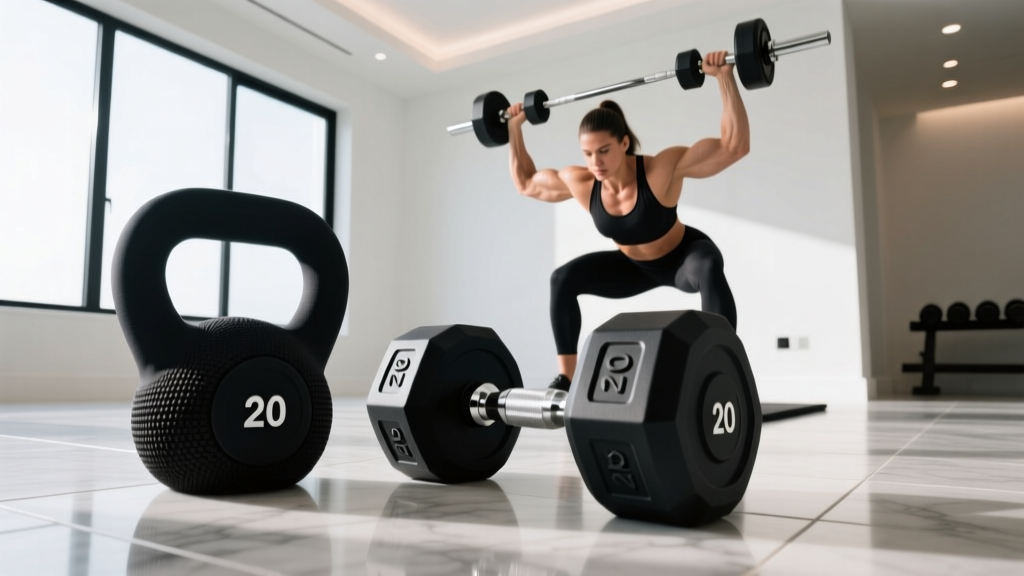
Barbell Curl with Dumbbells? Biomechanics & Neoprene Weight Guide
Confused about doing a barbell curl with dumbbells? We break down bicep biomechanics and compare the best neoprene coated dumbbells for home gyms.

The "Barbell Curl with Dumbbells" Paradox: Biomechanics Explained
If you have ever typed "barbell curl with dumbbells" into a search engine, you are not alone. This common fitness paradox usually stems from lifters wanting to replicate the heavy, bilateral loading of a barbell curl using the independent, versatile nature of dumbbells. The short answer? You cannot perform a true barbell curl with dumbbells, because the biomechanical stimuli are fundamentally different. However, understanding why they differ is the key to building a superior home gym bicep routine.
A standard barbell curl locks your wrists into a fixed, supinated position, forcing both arms to work in a unified sagittal plane. This allows for maximum absolute load. Dumbbell curls, on the other hand, allow for independent limb movement and dynamic wrist supination (rotating the palm upward during the concentric phase). According to ExRx.net's kinesiology breakdown, this supination mechanism heavily recruits the biceps brachii's secondary function, leading to a more complete peak contraction that a barbell simply cannot provide.
Biomechanical Insight: The Grip Diameter Factor
One crucial, often overlooked difference is handle thickness. A standard Olympic barbell sleeve and grip measure roughly 28mm to 29mm in diameter. Most neoprene-coated dumbbells feature contoured or straight handles ranging from 32mm to 38mm. This thicker grip increases forearm flexor activation and can limit the absolute load you can curl. When transitioning from barbells to dumbbells, expect a 15-20% drop in total lifted weight due to grip fatigue and the loss of bilateral stabilization.
Why Neoprene Coated Dumbbells Dominate Home Gyms in 2026
When outfitting a home gym, the flooring and noise constraints dictate your equipment choices. While bare cast iron is cheap and urethane is virtually indestructible, neoprene (polychloroprene) sits in the perfect sweet spot for residential use.
- Floor Protection: Neoprene is softer than bare iron and denser than cheap vinyl, protecting hardwood and laminate floors from minor scuffs during set-downs.
- Acoustic Dampening: The synthetic rubber coating significantly reduces the metallic "clank" of iron-on-iron, keeping your workouts neighbor-friendly.
- Cost-Efficiency: In 2026, premium urethane dumbbells cost upwards of $4.50 per pound. Neoprene alternatives average between $1.60 and $2.50 per pound, making them the most economical coated option.
Head-to-Head Comparison: Top Neoprene Dumbbells for Bicep Training
Not all neoprene is created equal. The coating process, the cast iron core quality, and the handle ergonomics vary wildly between manufacturers. Below is our head-to-head matrix of the top three contenders for home bicep training.
| Feature | CAP Barbell Hex Neoprene | Yes4All Neoprene Coated | Amazon Basics Neoprene |
|---|---|---|---|
| Core Material | A-Grade Cast Iron | Solid Cast Iron | Cast Iron Core |
| Shape | Hexagonal (Anti-Roll) | Round / Hex Options | Hexagonal |
| Avg. Price per Lb (2026) | ~$1.80 | ~$1.60 | ~$2.10 |
| Handle Ergonomics | Straight, Medium Knurl | Contoured, Smooth | Contoured, Textured |
| Best For | Heavy Curls & Floor Safety | Budget & High-Rep Supination | Ergonomic Grip Comfort |
1. CAP Barbell Hex Neoprene: The Heavy-Duty Standard
CAP Barbell remains the gold standard for commercial and home gyms alike. Their hexagonal neoprene dumbbells feature an A-grade cast iron core that is precisely machined before coating. The hex shape is non-negotiable for home gyms; when you are performing alternating dumbbell curls and need to set the weight down mid-set, a round dumbbell will roll across the floor, potentially damaging baseboards or injuring pets.
The Edge Case: The handle on the CAP hex dumbbell is relatively straight and features a simulated knurling pattern molded into the neoprene. While this provides decent grip, the lack of a contoured middle can cause hand fatigue during high-rep drop sets. Furthermore, if dropped repeatedly on bare concrete, the neoprene seams at the edges of the hex shape are prone to micro-tearing over time.
2. Yes4All Neoprene Coated: The Budget-Friendly Contender
Yes4All has captured a massive share of the home fitness market by offering aggressive pricing (often hovering around $1.60/lb). Their color-coded neoprene ends make weight identification instant, which is highly beneficial when running quick bicep drop-sets. The contoured handle is slightly thicker in the middle, naturally resting in the palm and reducing the grip strength required to hold the weight.
The Edge Case: Off-gassing. Yes4All's manufacturing process occasionally traps volatile organic compounds (VOCs) in the synthetic rubber. It is highly recommended to unbox these outdoors and let them air out in a shaded, ventilated area for 48 hours before bringing them into your home gym to avoid the "new tire" smell.
3. Amazon Basics Neoprene: The Ergonomic Alternative
Amazon Basics offers a surprisingly robust neoprene dumbbell that prioritizes hand comfort. The grip features a distinct hourglass contour that locks the dumbbell into the center of your palm. This is particularly advantageous for replicating barbell-like stability during strict, standing dumbbell curls where wrist deviation could otherwise compromise the lift.
The Edge Case: The neoprene coating on Amazon Basics tends to be slightly softer and more "tacky" than CAP Barbell. While this feels great in the hand, it attracts dust, pet hair, and chalk more aggressively, requiring more frequent wipe-downs with a mild soap solution to maintain the grip texture.
Real-World Failure Modes: When Neoprene Fails
As fitness equipment reviewers, we must address the longevity of neoprene. While it is excellent for home use, it is not invincible. Here are the primary failure modes and how to prevent them:
- UV Degradation: Polychloroprene breaks down when exposed to direct ultraviolet light. If your home gym is in a sunroom or garage with untreated windows, the neoprene will dry out, chalk, and eventually crack within 18 to 24 months. Solution: Keep weights out of direct sunlight.
- Seam Splitting: Unlike urethane, which is poured and bonded seamlessly, neoprene is often dipped or shrink-wrapped over the iron core. The edges (especially on hex models) are stress points. Dropping a 40lb neoprene dumbbell from shoulder height onto a hard surface will split the seam. Solution: Use 3/4-inch rubber horse stall mats or dedicated gym flooring to absorb impact shock.
- Oil Migration: Cheaper manufacturing processes can result in plasticizers migrating to the surface of the dumbbell over time, leaving a greasy residue. Solution: Wipe down with a 50/50 water and white vinegar solution once a month.
Programming: Replicating Barbell Tension with Dumbbells
Since you cannot perform a literal barbell curl with dumbbells, you must program your dumbbell routine to mimic the continuous tension and heavy load of a barbell. Here is a 2026-approved home bicep protocol designed specifically for neoprene dumbbells:
The "Phantom Barbell" Protocol:
1. Strict Alternating Curls (3 x 10): Focus on the supination twist. Keep the non-working arm completely static to mimic the bilateral stabilization of a barbell.
2. Isometric Hammer Holds (3 x 30 seconds): Hold the dumbbells at a 90-degree angle. This targets the brachialis and builds the connective tissue strength needed to handle heavier loads.
3. Cross-Body Supinating Curls (2 x 12): Curl the dumbbell across your torso. This provides a stretch-mediated hypertrophy stimulus that a straight barbell cannot achieve.
Frequently Asked Questions
Can I use wrist straps for dumbbell curls?
While wrist straps are common for deadlifts, using them for bicep curls is generally discouraged. The thick 34mm+ handles of neoprene dumbbells already tax your grip; bypassing this with straps can lead to an imbalance between your forearm flexors and your biceps brachii. Instead, train your grip separately.
Are neoprene dumbbells toxic?
High-quality neoprene (polychloroprene) is chemically stable and non-toxic once cured. However, as mentioned with budget brands, the initial off-gassing of VOCs can cause mild respiratory irritation in poorly ventilated rooms. Always air out new equipment.
Which is better for bicep peaks: Barbell or Dumbbell?
According to T-Nation's hypertrophy guidelines, dumbbells generally win for bicep "peaks" due to the ability to fully supinate the wrist at the top of the movement, which maximally shortens the biceps brachii. Barbells are superior for overall mass and raw mechanical overload.
More gear to consider
All reviews
EZ Bar vs Straight Bar & Bent Over Dumbbell Curls: Expert Guide

2026 Market Analysis: Kettlebell Guide & Reverse Flies with Dumbbells

Bumper Plate vs Iron Plate Maintenance & Dumbbell Connector Care

Best Neoprene Dumbbells for Home Use & Dumbbell Pull Down Guide (2026)
Olympic vs Standard Plates & Incline Dumbbell Fly Alternative Fixes
