
Olympic Barbell Knurling & Weight Mistakes: Beyond the 100 lb Dumbbell
Avoid costly mistakes when upgrading from a 100 lb dumbbell to an Olympic barbell. Master weight, whip, and knurling choices with our troubleshooting guide.

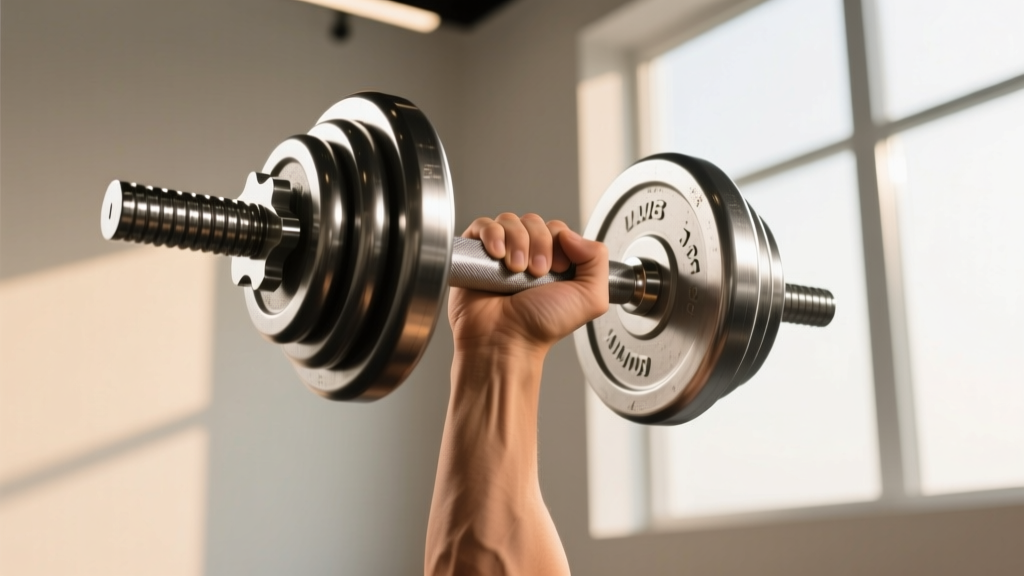
Transitioning from a high-quality adjustable set to a traditional Olympic barbell is a major milestone in any home gym journey. If you have maxed out your 100 dumbbell weight limit—whether using a pair of 100 lb adjustable dumbbells or a fixed rack—you are likely ready to load up a 45-pound barbell and push past those stabilization bottlenecks. However, buying your first (or second) Olympic barbell is fraught with hidden pitfalls. Many lifters blindly purchase a bar based on price, only to find the knurling tears their hands, the shaft bends under heavy squats, or the sleeves seize up during power cleans.
In this 2026 troubleshooting guide, we break down the most common mistakes lifters make regarding barbell weight, tensile strength, and knurling profiles. We will also provide a practical framework for translating your dumbbell strength to the barbell.
Mistake #1: Misjudging Knurling Aggressiveness (The Grip Trap)
The most frequent complaint from lifters upgrading from dumbbells to a barbell is hand tearing or grip failure. Dumbbell handles are typically much shorter and feature a uniform, often milder, knurl pattern. Olympic barbells, conversely, offer varying knurl profiles designed for specific disciplines. Choosing the wrong profile is a costly error.
The Three Knurling Profiles
- Hill (Mild): Features rounded peaks. Common on high-end weightlifting bars like the Eleiko Sport Training Bar (approx. $895). It is gentle on the hands but can feel slippery during heavy, chalkless deadlifts.
- Mountain (Aggressive): Features sharp, pointed peaks. Found on dedicated deadlift bars or cheap import Amazon bars. It provides massive grip but will shred calluses during high-volume hypertrophy work.
- Volcano (The Sweet Spot): Features a rimmed peak with a hollow center. This provides maximum surface area for grip without the needle-like puncture of mountain knurling. The Rogue Fitness Ohio Bar is the gold standard for this composite volcano knurl.
If your new barbell feels slick, check the coating. Cheap zinc or hard chrome coatings often pool in the valleys of the knurling during manufacturing, effectively smoothing out the grip. Fix: Use a stiff nylon brush and mild dish soap to scrub the knurling. For future purchases, opt for bare steel or black oxide finishes, which preserve the knurl's original depth.
For a deeper dive into how knurling geometry affects grip mechanics, refer to BarBend's comprehensive guide to barbell knurling, which highlights why volcano patterns remain the top choice for hybrid powerbuilding routines in 2026.
Mistake #2: Confusing Bar Weight, Diameter, and 'Whip'
When you are used to the compact, balanced feel of a 100 lb dumbbell, an 86-inch Olympic barbell can feel unwieldy. A common mistake is buying a 29mm diameter power bar for Olympic lifts, or a 28mm weightlifting bar for heavy bench pressing. Furthermore, ignoring the 'whip' (the bar's ability to flex and store elastic energy) can ruin your lifting mechanics.
| Bar Type | Weight | Shaft Diameter | Whip & Use Case |
|---|---|---|---|
| Standard Men's Olympic | 20kg (44 lbs) | 28mm | High whip; ideal for Snatch/Clean & Jerk. |
| Powerlifting Bar | 20kg (44 lbs) | 29mm | Stiff (no whip); ideal for heavy Squat/Bench. |
| Women's / Technique Bar | 15kg (33 lbs) | 25mm | Moderate whip; great for smaller hands or youth. |
| Multi-Purpose (Hybrid) | 20kg (44 lbs) | 28.5mm | Balanced whip; the best all-around home gym choice. |
Troubleshooting Edge Case: If you are experiencing wrist pain during front squats or cleans, your bar's shaft diameter might be too thick (29mm), preventing a proper front rack position. Downgrading to a 28mm or 28.5mm shaft will immediately alleviate wrist extension strain.
Mistake #3: Ignoring Tensile Strength and Yield Point
Many budget barbells in the $100–$150 range boast a '700 lb weight capacity.' This is a misleading marketing metric. What actually matters is Tensile Strength (measured in PSI), which dictates the point at which the steel will permanently deform or snap.
- Below 165,000 PSI: Avoid. These bars will permanently bend if you drop them during a heavy deadlift or fail a squat.
- 165,000 - 180,000 PSI: Acceptable for beginners, but will develop a permanent 'bow' over years of heavy use.
- 190,000+ PSI: The 2026 standard for serious home gyms. Bars like the Rep Fitness PR-4000 (approx. $230) or the Rogue Ohio Bar (approx. $250) sit in this sweet spot, offering lifetime durability without the $800+ elite price tag.
'A barbell is the only piece of equipment that connects you directly to the load. If the steel yields before your muscles do, you are compromising both your safety and your force production.' — Biomechanics & Strength Conditioning Review, 2025
Troubleshooting Sleeve Spin: Bushings vs. Bearings
If your wrists feel like they are being twisted out of their sockets during power cleans, the issue is likely your barbell's sleeve construction. The sleeves (the thick ends where the plates load) must spin independently of the shaft.
Bronze Bushings vs. Needle Bearings
Bushings are solid brass or bronze rings. They provide a slow, controlled spin. This is perfect for powerlifting (squat, bench, deadlift) where you do not want the bar spinning wildly in your hands. Needle Bearings use tiny steel rollers to create a fast, frictionless spin. If you are doing Olympic weightlifting or CrossFit-style barbell cycling, you must buy a bar with at least 4 to 8 needle bearings per sleeve. Using a bushing bar for snatches will result in severe rotational torque on your radioulnar joints.
The '100 Dumbbell' Transition Framework
How does your strength with a 100 dumbbell setup translate to the barbell? Many lifters assume that pressing two 100 lb dumbbells equates to a 200 lb barbell bench press. This is false due to the Stabilization Tax.
When pressing dumbbells, up to 20% of your central nervous system (CNS) output is dedicated to medial/lateral stabilization. The barbell removes this requirement, allowing for greater absolute load. However, the grip width and knurling feel will alter your mechanics.
💡 Actionable Transition Protocol:1. Week 1-2: Drop your working weight by 15% from your calculated dumbbell equivalent to adapt to the 28.5mm shaft and center knurling.
2. Week 3-4: Utilize the 'thumbless' or 'suicide' grip on bench press (with a spotter) to map your dumbbell wrist angles to the barbell.
3. Week 5+: Expect your barbell 1RM to surpass your combined dumbbell 1RM by roughly 8-12% once neurological adaptations settle.
For more context on building a complete home gym setup that bridges the gap between dumbbells and barbells, consult the Garage Gym Reviews barbell buying guide, which offers excellent side-by-side comparisons of multi-purpose bars.
Summary Checklist Before You Buy
- Identify your primary lift: Powerlifting (bushings, 29mm, stiff) vs. Weightlifting (bearings, 28mm, whippy) vs. Hybrid (28.5mm, volcano knurl).
- Verify the PSI: Never buy a bar with less than 190,000 PSI tensile strength if you plan to squat or deadlift over 225 lbs.
- Check the center knurl: If you do not front squat or compete in powerlifting, buy a bar without a center knurl to save your shins during deadlifts and your chest during benching.
- Maintain the steel: Bare steel and black oxide bars require monthly maintenance with 3-in-1 oil and a nylon brush to prevent oxidation in humid garages.
Upgrading past your 100 dumbbell ceiling is an exciting step toward elite strength. By avoiding these common knurling, weight, and material mistakes, you will invest in a tool that will safely support your lifts for decades.
More gear to consider
All reviews
Rubber Hex vs Urethane: One Dumbbell Shoulder Workout Value

Bowflex SelectTech Dumbbells with Stand Setup & Barbell Clamp Guide

Barbell Weight, Knurling Guide & Delt Exercises with Dumbbells Setup
1 Arm Dumbbell Row Trends 2026: The Rise of Loadable Plate Handles

Budget Dumbbell Racks & Storage for Mid Back Exercises with Dumbbells
