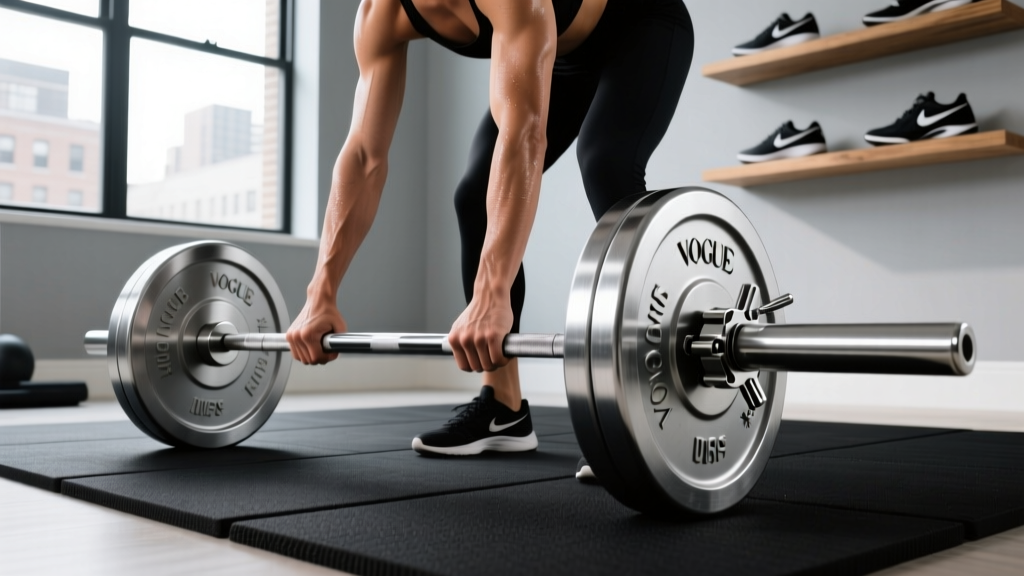
Barbell Collars vs Clamps: Moving Beyond the Dumbbell Chart
Master barbell safety with our step-by-step guide to collars and clamps. Learn to secure plates as you graduate past your beginner dumbbell chart.

Introduction: Graduating from the Dumbbell Chart
When you first start lifting, a well-structured dumbbell chart is your best friend. It helps you track progressive overload, moving neatly from 20lb to 25lb hex dumbbells while keeping your form intact. But as you transition to the barbell to chase heavier compound lifts like squats, deadlifts, and Olympic cleans, you face a completely new mechanical variable: open sleeves. Unlike the fixed, welded heads of a dumbbell, barbell sleeves require you to manually secure the plates. If you fail to do this correctly, the consequences range from annoying plate shifts to catastrophic injuries. This step-by-step guide will walk you through the exact types of barbell collars and clamps available in 2026, how they function under load, and how to choose the right one for your training style.
Step 1: The Physics of Open Sleeves and Bar Whip
Before comparing products, you must understand the forces at play. A standard Olympic barbell features 50mm (2-inch) sleeves. When you load 45lb bumper plates onto the bar, they rest against the inner sleeve shoulder. During a lift, two primary forces threaten to slide those plates off:
- Lateral Kinetic Energy: When you drop a barbell from overhead or the top of a deadlift, the sudden deceleration causes the plates to push outward against the collar. A 300lb drop can generate over 100lbs of lateral force per sleeve.
- Bar Whip and Torsion: Modern Olympic bars are designed to flex (whip) under heavy loads. This torsion creates a vibrating wave that can slowly rattle loose plates outward if the clamping force is insufficient.
Step 2: Compare the Main Types of Barbell Collars & Clamps
The fitness equipment market has evolved significantly, offering solutions for every budget and training modality. Below is a comparison matrix of the four primary collar types you will encounter in commercial and home gyms.
| Collar Type | Primary Material | Avg Price (2026) | Lateral Hold | Best Use Case | Durability |
|---|---|---|---|---|---|
| Spring Collars | Steel Wire | $10 - $15 | Low (<20 lbs) | Light accessories, lunges | Moderate (springs fatigue) |
| Clamp Collars (e.g., Lock-Jaw) | Glass-Reinforced Nylon | $40 - $55 | Medium (40-60 lbs) | General fitness, CrossFit | High (but can crack if frozen) |
| Lever Collars (e.g., Rogue Alloy) | CNC Aluminum | $75 - $85 | Extremely High (100+ lbs) | Powerlifting, Heavy Drops | Bombproof (Lifetime) |
| Spin-Lock Collars | Cast Iron / Chrome | $15 - $25 | Medium (Thread dependent) | Standard 1-inch home bars | High (threads can strip) |
For a deeper dive into specific brand performance, BarBend's comprehensive guide to barbell collars remains an excellent resource for side-by-side stress testing.
Step 3: Match the Collar to Your Training Style
Your training dictates your hardware. Here is how to align your collar choice with your specific lifting goals.
Olympic Weightlifting (High Impact & Drops)
If you are practicing snatches and clean-and-jerks, you will be dropping the bar from overhead. You need a collar that absorbs shock without slipping. Clamp collars (like the Lock-Jaw Pro) or Lever collars are mandatory here. According to the USA Weightlifting competition rulebook, collars are strictly required in sanctioned meets to prevent plate displacement during missed lifts. Lever collars are preferred by elite lifters because they do not deform under repeated high-impact drops.
Powerlifting (Heavy, Slow Tension)
Powerlifters rarely drop the bar, but they load immense weight. The primary concern here is bar whip during heavy squats and deadlifts. Lever collars (such as the Rogue Fitness Alloy Collars) provide the highest clamping force, locking the plates into a single solid mass. Note: Lever collars weigh 2.5 lbs each. In strict powerlifting federations, this 5lb total is often counted toward your official lift weight.
General Fitness & Hypertrophy
If you are doing bicep curls, bench presses, and lunges, Spring collars or lightweight Clamp collars are perfectly adequate. They are quick to remove between drop-sets and won't scratch the knurling on your barbell.
Step 4: Step-by-Step Installation and Safety Check
Even a $80 lever collar will fail if installed incorrectly. Follow this exact sequence every time you load the bar:
- Load Plates Flush: Slide your plates onto the sleeve. Ensure the innermost plate is sitting completely flush against the bar's inner shoulder. Do not leave gaps.
- Position the Collar: Slide the collar onto the sleeve until it makes physical contact with the outermost plate. Do not leave a 1/4 inch gap. The collar must act as a physical wall, not just a friction brake.
- Engage the Lock:
- For Clamps: Squeeze the handles until the teeth bite into the sleeve and the secondary safety latch clicks into place.
- For Levers: Pull the lever arm outward, push the collar flush, and snap the lever back toward the bar.
- The Tug Test: Grab the outermost plate and violently shake it side-to-side. If the plate moves independently of the bar, the collar is too loose. Re-adjust immediately.
Common Beginner Mistakes and Failure Modes
As you move past the simplicity of your beginner dumbbell chart and into complex barbell training, avoid these critical errors:
- Using Spring Collars for Bumper Plate Drops: Spring collars rely on outward tension. When a barbell hits the floor, the sleeves compress slightly, releasing the spring's tension for a millisecond. This is enough for a 45lb bumper plate to slide an inch outward. Over 10 reps, the plate will fall off.
- Leaving Clamps on the Bar in Cold Garages: Polymer clamp collars can develop micro-fractures if left clamped under tension in freezing temperatures (common in unheated garage gyms in winter). Always remove and store them at room temperature.
- Ignoring Sleeve Knurling: Some specialty bars feature knurled sleeves for grip. This knurling acts like a file against the inner rubber lining of clamp collars, degrading them over time. If you have a knurled sleeve bar, opt for aluminum lever collars with replaceable inner bands.
Frequently Asked Questions
Do I need collars for a standard 1-inch barbell?
Yes, but you cannot use Olympic collars. Standard 1-inch bars require threaded spin-lock collars or specialized 1-inch spring clips. Always verify your bar's sleeve diameter (1-inch vs. 2-inch/50mm) before purchasing.
Why do my Lock-Jaw clamps leave marks on the bar?
The teeth on polymer clamps are designed to bite into the steel to prevent slipping. On chrome or zinc-finished bars, this can leave superficial scratches. If you want to preserve a pristine barbell finish, use aluminum lever collars with rubberized inner padding.
Can I use collars with dumbbells?
No. As referenced when discussing your initial dumbbell chart progression, standard hex and rubber dumbbells have fixed heads. However, if you are using loadable dumbbell handles (like Rogue Loadable Dumbbell Handles), you absolutely must use micro-collars or specialized clamp collars designed for short sleeves to secure the plates.
'Securing the barbell is not an optional accessory; it is the fundamental first step of any heavy lift. Treat your collars with the same respect you treat your lifting belt.' — FitGearPulse Editorial Team
More gear to consider
All reviews
Cast Iron vs Competition Kettlebell Care: Upgrading Your Dumbbell Back Workout at Home

Budget Dumbbell Storage for the Dumbbell Upright Row Exercise
EZ vs Straight Bar Care & Dumbbell Clean and Press Muscles Worked

Loadable Dumbbells for Flies: 2026 Budget Breakdown
Rubber Hex vs Urethane: Choosing Your Overhead Tricep Dumbbell
