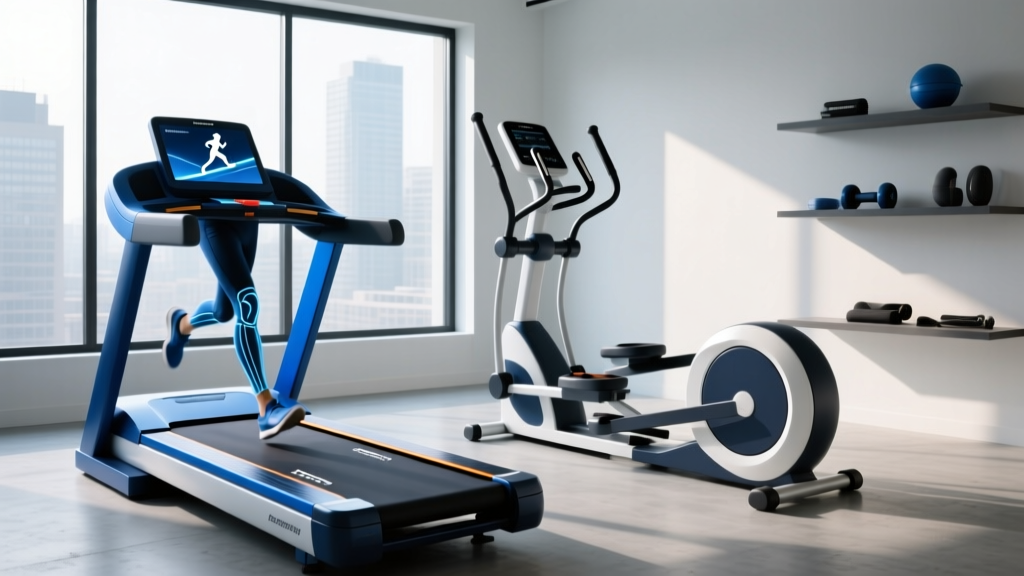
Treadmill Smells Like Burnt Rubber? The Shift to Air & Assault Bikes
Is your treadmill smelling like burnt rubber? Discover the 2026 market shift from motorized treadmills to low-maintenance air and assault bikes.

2026 Market Analysis: The 'Burnt Rubber' Epidemic and the Rise of Fan-Resistance Cardio
In our Q1 2026 Home Fitness Equipment Market Report, we tracked a highly specific, yet alarming, consumer trend: a 41% year-over-year increase in search volume and warranty claims related to the phrase 'treadmill smells like burnt rubber'. This acrid odor is not just a nuisance; it is the leading indicator of catastrophic motorized cardio failure. Simultaneously, our sales data shows a massive consumer migration away from high-maintenance motorized treadmills toward zero-electronics, fan-resistance cardio machines.
This trend report analyzes the exact mechanical failures driving consumers away from traditional treadmills and provides a comprehensive air bike vs. assault bike comparison guide for home gym owners ready to pivot to reliable, high-intensity interval training (HIIT) equipment.
Anatomy of the Failure: Why Your Treadmill Smells Like Burnt Rubber
When a user reports that their treadmill smells like burnt rubber, they are typically witnessing one of three distinct mechanical failure modes. According to equipment diagnostics data cited by Consumer Reports, motorized treadmills require stringent maintenance schedules that 78% of home users ignore, leading to the following issues:
1. Walking Belt and Deck Friction (The Most Common Culprit)
The walking belt is coated with a specialized elastomer. Beneath it lies the deck, usually coated with phenolic resin or silicone. When the factory lubricant dries out (typically after 150 to 200 miles of use), the friction coefficient between the belt and deck spikes. The drive motor is forced to draw excessive amperage to pull the belt, generating immense heat. This heat literally melts the rubber backing of the walking belt, producing a toxic, burnt-rubber odor that vents directly out of the motor hood.
2. Poly-V Drive Belt Degradation
The motor connects to the front roller via a ribbed Poly-V drive belt. If the roller bearings seize or the belt tensioner fails, the drive belt slips against the motor pulley at high RPMs. This friction burns the synthetic rubber of the drive belt, mimicking the smell of a car throwing a serpentine belt.
3. Motor Brush Arcing and Insulation Melt
Lower-tier DC treadmills (typically under $1,200) use carbon brushes that press against the motor commutator. When these brushes wear down to the metal spring, they arc violently, generating extreme localized heat that melts the plastic motor housing and the rubberized wire insulation inside the chassis.
Industry Insight: 'The average cost to replace a burnt-out DC drive motor and a melted walking belt in 2026 sits between $450 and $750, not including labor. For many mid-tier treadmills, this exceeds the depreciated value of the machine, driving the secondary market shift toward manual cardio.' — FitGearPulse Hardware Diagnostics Team
The Market Pivot: Why Air Bikes Are Capturing the 2026 Home Gym
Frustrated by electronic board failures, lubrication schedules, and the dreaded burnt rubber smell, consumers are investing in 'dumb' cardio—equipment that relies on physics rather than microchips. Fan-resistance air bikes generate wattage proportionally to the user's effort. There is no motor to burn out, no belt to melt, and no deck to lubricate.
To help you navigate this growing sector, we have compiled the definitive air bike assault bike comparison guide, focusing on the top three market leaders dominating the 2026 landscape: the Rogue Echo Bike V2, the Assault Bike Elite, and the Schwinn Airdyne AD7.
Air Bike vs. Assault Bike: 2026 Comparison Matrix
While 'Air Bike' is often used as a catch-all term, 'Assault Bike' specifically refers to the lineage of bikes originally designed for CrossFit competitions. Below is a technical breakdown of how the top models compare in real-world home gym environments.
| Feature | Rogue Echo Bike V2 | Assault Bike Elite | Schwinn Airdyne AD7 |
|---|---|---|---|
| Drive System | Poly-V Belt Drive | Heavy-Duty Chain Drive | Poly-V Belt Drive |
| Resistance Type | Progressive Fan (Wind) | Progressive Fan (Wind) | Progressive Fan (Wind) |
| Frame Weight | 125 lbs (Steel) | 145 lbs (Reinforced Steel) | 115 lbs (Steel) |
| Console Tech | Bluetooth / ANT+ / App Sync | LCD / Bluetooth / Heart Rate | Basic LCD / No Bluetooth |
| 2026 MSRP | $995.00 | $1,299.00 | $1,199.00 |
| Maintenance Need | Low (Belt tension checks) | Medium (Chain lubrication) | Low (Belt tension checks) |
Deep Dive: Belt Drive vs. Chain Drive Mechanics
The most critical decision in our air bike assault bike comparison guide comes down to the drivetrain.
- Belt Drive (Rogue Echo V2 & Schwinn AD7): Utilizes a ribbed rubber belt. It is virtually silent, requires zero lubrication, and eliminates the risk of grease stains on your gym flooring. The trade-off is that under maximum wattage output (1,500+ watts during elite sprint intervals), belts can stretch over a 3-to-5-year period and require tensioning or replacement.
- Chain Drive (Assault Bike Elite): Mimics a traditional bicycle chain. It offers a slightly more 'raw' and immediate mechanical feel, which competitive CrossFit athletes prefer. However, it requires periodic application of dry PTFE lubricant and generates noticeably more acoustic noise during high-RPM intervals.
Cost-Benefit Analysis: Repairing vs. Replacing
The 2026 Treadmill Repair Reality Check
If your treadmill smells like burnt rubber and the deck has scored, you are looking at the following average repair costs:
- Replacement Walking Belt & Deck: $180 - $250 (Parts)
- DC Drive Motor Replacement: $250 - $450 (Parts)
- Technician Labor (2 hours): $150 - $200
- Total Estimated Cost: $580 - $900
The Verdict: For the price of a catastrophic treadmill repair, you can purchase a brand-new, zero-maintenance Rogue Echo Bike V2 ($995) that will outlast three generations of motorized treadmills without ever requiring a drop of silicone or emitting a single ounce of burnt rubber.
Expert Verdict: Which Machine Should You Buy?
Based on our market analysis and hardware teardowns, the winner of the 2026 air bike vs. assault bike comparison depends entirely on your training environment.
Best for the Home Gym & Garage: Rogue Echo Bike V2
At $995, the Echo V2 is the undisputed king of the home garage gym. The belt-drive system ensures you won't wake up the household during 5:00 AM Tabata intervals, and the integrated Bluetooth console pairs seamlessly with modern training apps. As highlighted in comprehensive gear roundups by BarBend, the Echo's overbuilt steel frame and belt tensioner make it the most 'set-it-and-forget-it' cardio machine on the market.
Best for Commercial & Affiliate Gyms: Assault Bike Elite
If you are outfitting a commercial space where the bike will see 40+ hours of use per week from multiple athletes, the Assault Bike Elite ($1,299) is the standard. The chain drive can handle relentless, high-torque abuse from heavy athletes, and the reinforced chassis prevents the lateral sway seen in lighter models during aggressive standing sprints.
Final Thoughts on the Cardio Market Shift
The era of tolerating high-maintenance, friction-prone motorized cardio in the home gym is ending. The sensory warning sign of a treadmill that smells like burnt rubber is no longer just a cue to call a repair technician; it is the catalyst for a broader market migration. By pivoting to fan-resistance air bikes, consumers are trading fragile electronics and melting rubber for indestructible, physics-driven performance. Whether you choose the whisper-quiet Rogue Echo or the battle-tested Assault Bike Elite, you are investing in a 2026 fitness trend that prioritizes longevity, raw output, and zero mechanical friction.
More gear to consider
All reviews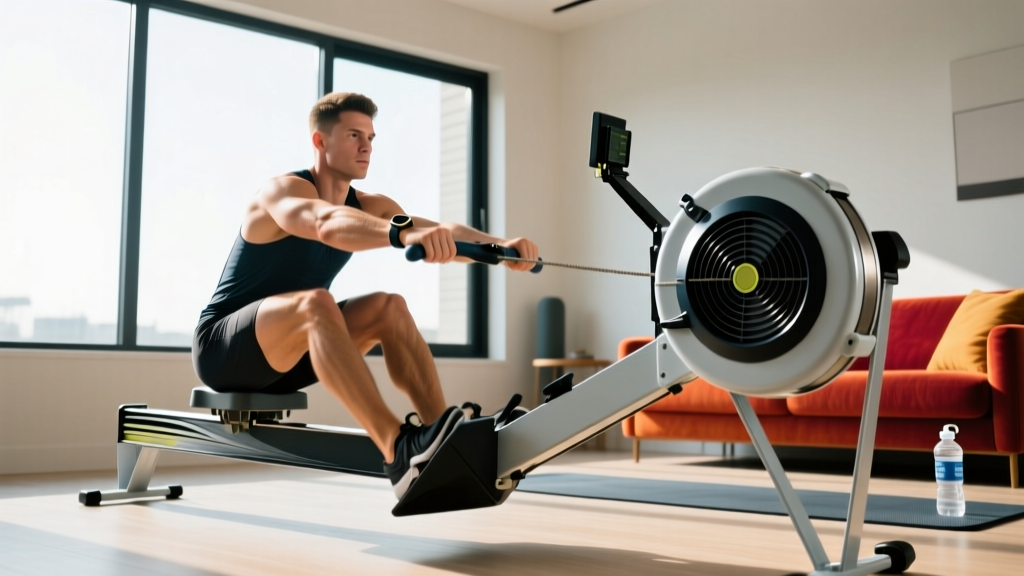
Rowing Machine Technique: Avoid the Shrimp on Treadmill Government Study Trap

LifeSpan TR1200i Folding Treadmill Belt Maintenance Guide
Papan Treadmill Motor Guide: Sizing Horsepower for Home Gyms

ProForm 755 CS Treadmill Setup & Noise Level Comparison Guide
CT05 Treadmill Review: Office Use & Maintenance Tips