Rowing Guide & Technique: ProForm Carbon TL Treadmill vs Rowers
Master rowing machine technique and explore our 2026 buying guide. We compare top rowers against the ProForm Carbon TL Treadmill for optimal home cardio.

The Great Cardio Debate: Rowing Machines vs. the ProForm Carbon TL Treadmill
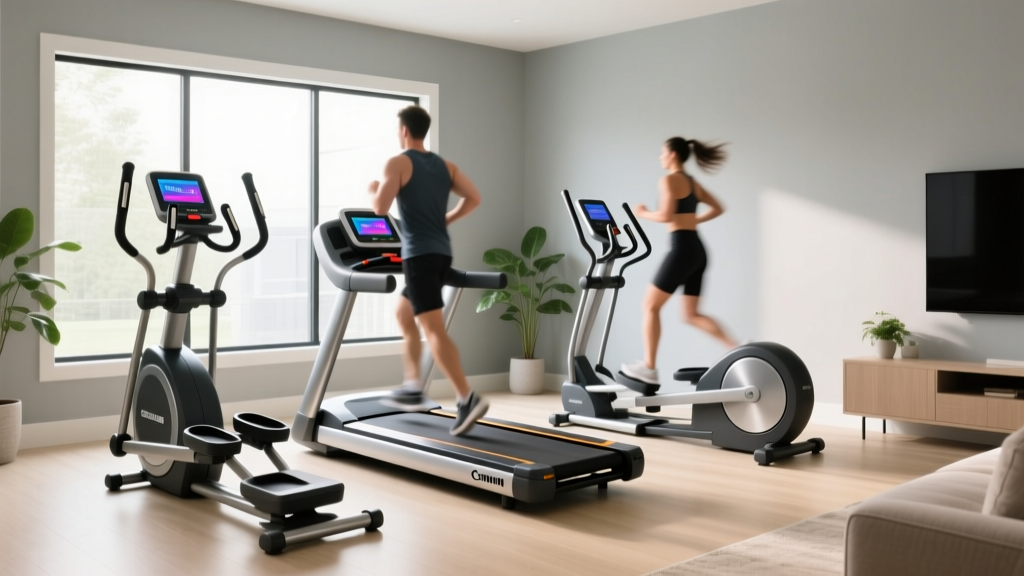
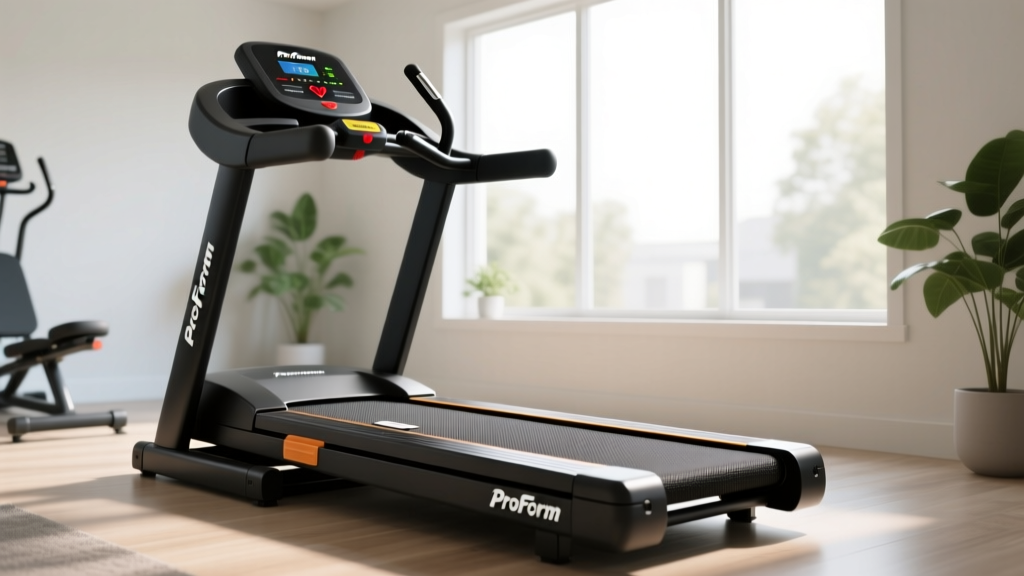
When outfitting a home gym in 2026, buyers often default to the familiarity of a treadmill. The ProForm Carbon TL Treadmill is a prime example of a popular entry-level cardio staple. Priced around $499, it features a 2.6 CHP motor, a 14-inch by 50-inch running belt, and a 300-pound weight capacity. It is an excellent, budget-friendly choice for walking, light jogging, and users with limited spatial footprints thanks to its folding chassis.
However, as fitness science evolves, many home gym owners are pivoting toward rowing machines. While the ProForm Carbon TL Treadmill primarily targets the lower body and carries a higher impact profile on the knees and ankles, a rowing machine engages approximately 86% of the body's musculature per stroke. If you are tall (over 6'2"), the Carbon TL's 50-inch belt may feel restrictive during a sprint, whereas a rower's rail length accommodates virtually any inseam. This comprehensive buying guide and technique breakdown will help you decide if a rower is the right upgrade for your cardiovascular routine, and how to use it correctly.
2026 Rowing Machine Buying Guide: Specs That Actually Matter
Unlike treadmills where motor size (CHP) and belt ply dictate the price, rowing machines are evaluated on resistance type, monitor telemetry, and ergonomic rail design. Here is what you need to look for when shopping this year.
1. Resistance Mechanics: Air vs. Magnetic vs. Water
- Air Resistance: Uses a flywheel with fan blades. The harder you pull, the more resistance is generated. It is infinitely variable and the gold standard for competitive athletes.
- Magnetic Resistance: Uses electromagnets to create drag. It is virtually silent, making it ideal for apartments, but lacks the organic "heavy" feel of air at peak exertion.
- Water Resistance: Uses a paddle inside a water tank. It offers a soothing swoosh sound and realistic catch, but requires water purification tablets and lacks precise digital drag adjustments.
2. The Damper Setting Myth
A critical piece of information gain for new buyers: the damper is not a resistance dial. On air rowers, the damper (usually set from 1 to 10) controls the aerodynamics of the flywheel housing, similar to the gearing on a bicycle. A setting of 10 allows maximum air into the cage, causing the flywheel to slow down faster between strokes (simulating a heavy, slow boat). A setting of 3 to 5 allows less air, keeping the flywheel spinning longer (simulating a sleek, fast racing shell). For optimal cardiovascular conditioning, keep the damper between 3 and 5.
Comparison Matrix: Top 2026 Rowing Machines
| Model | Resistance Type | Est. Price (2026) | Best For |
|---|---|---|---|
| Concept2 RowErg | Air | $990 - $1,100 | CrossFit, serious athletes, resale value |
| NordicTrack RW900 | Silent Magnetic | $1,699 | Interactive coaching, quiet apartments |
| Hydrow | Electromagnetic | $2,495 | Immersive outdoor simulation, tech lovers |
| Sunny Health SF-RW5515 | Magnetic | $250 | Budget buyers, casual light cardio |
Mastering the Rowing Technique: The 4-Phase Stroke
According to Concept2's official technique guide, the rowing stroke is not an upper-body pull; it is a coordinated sequence of levers. The power distribution should be roughly 60% legs, 20% core, and 20% arms. Mastering these four phases will prevent lower back pain and maximize your wattage output.
Phase 1: The Catch
This is the starting position. Your shins should be perfectly vertical (perpendicular to the floor). Your torso should be hinged forward at roughly 11 o'clock, with your lats engaged and shoulders relaxed. Arms must be completely straight. Edge case warning: Do not let your knees splay outward; keep them tracking inside your arms.
Phase 2: The Drive
The drive is the power phase. Initiate the movement by pushing explosively with your legs while keeping your arms straight and torso hinged. Once your legs are nearly fully extended, hinge your hips backward to the 1 o'clock position. Finally, draw the handle to your lower ribs using your biceps and back muscles.
Phase 3: The Finish
At the end of the drive, your legs are flat, your core is braced with a slight backward lean, and the handle is resting lightly against your sternum/lower ribs. Your elbows should be drawn back and grazing your ribs.
Phase 4: The Recovery
The recovery is the active rest phase and must be executed in the exact reverse order of the drive. First, extend your arms away from the body. Second, hinge your torso forward past your hips. Third, bend your knees to slide back to the Catch. The recovery should take roughly twice as long as the drive (a 1:2 stroke ratio).
⚠️ Common Form Error: "Shooting the Slide"If your legs push back but your handle doesn't move immediately, you are "shooting the slide." This means your core has disengaged, placing all the shear force on your lumbar spine. To fix this, brace your core at the Catch so your hips and the handle move backward in perfect unison during the first half of the Drive.
Programming Your Cardio: Meeting the 150-Minute Benchmark
The American Heart Association recommends at least 150 minutes of moderate-intensity aerobic activity per week. Whether you are using the ProForm Carbon TL Treadmill for incline walking or a rower for intervals, tracking your effort is vital.
For rowing, rely on the Split Time (/500m) rather than just calories or distance. A moderate, sustainable aerobic pace for most beginners sits between a 2:30 and 2:45 split. For high-intensity interval training (HIIT), aim to drop your split to 1:45 - 2:00 for 30-second bursts, followed by 30 seconds of active recovery.
Expert Insight: Treadmills like the ProForm Carbon TL dictate your pace via the motor speed. If you fall behind, you fall off. A rowing machine is self-paced; the flywheel only spins as hard as you pull. This makes rowers inherently safer for solo HIIT sessions where pushing to absolute muscular failure is the goal.
Maintenance and Edge Cases: Keeping Your Gear Running
Cardio machines require specific maintenance to protect your warranty and ensure smooth operation in 2026.
- ProForm Carbon TL Treadmill: The walking belt requires 100% silicone lubricant every 3 months or every 130 miles. Failure to do so will cause the 2.6 CHP motor to overheat and draw excess amperage, eventually tripping your home circuit breaker.
- Air Rowers (Concept2): The nickel-plated steel chain requires purifying with a paper towel and applying a teaspoon of 3-in-One oil every 50 hours of use. Never use WD-40, as it attracts dust and degrades the internal bearings.
- Magnetic/Electromagnetic Rowers (Hydrow/NordicTrack): These are largely maintenance-free regarding the drive mechanism, but they require strict climate control. Excessive garage humidity can warp the HD touchscreens or corrode the internal magnetic braking sensors.
Frequently Asked Questions
Can I use a rowing machine if I have knee issues?
Yes. Because rowing is a closed-kinetic-chain exercise with zero impact, it is highly recommended for joint rehabilitation. However, ensure you do not compress your knees past a 90-degree angle at the Catch, as this can aggravate patellar tendons.
Is the ProForm Carbon TL Treadmill better for weight loss than a rower?
Weight loss is dictated by a caloric deficit, not the machine. However, the rower recruits more muscle mass per minute (legs, core, back, arms), which can lead to a higher heart rate and greater caloric expenditure in a shorter 20-minute window compared to walking on a treadmill.
How much ceiling clearance do I need for a rower?
Unlike treadmills that require 10+ inches of clearance above your head for incline running, rowers sit low to the ground. You only need enough clearance to sit upright at the Finish position, which typically requires a minimum ceiling height of 4 feet.
For more in-depth reviews on home fitness equipment, including detailed teardowns of the latest 2026 magnetic resistance engines, explore our complete Cardio Machines archive at FitGearPulse.
More gear to consider
All reviews
Treadmill Stress Test for Seniors: Safe Home Prep Buying Guide
ProForm XP 580 Crosstrainer Treadmill: Compact Cardio Budget Breakdown

Elliptical vs Treadmill: How Distance in Treadmill Impacts Longevity

Cardio Noise Levels: Treadmill Workouts 30 Minutes & Quiet Picks

ProForm XP 580 Treadmill vs. Compact Cardio: A Value Breakdown