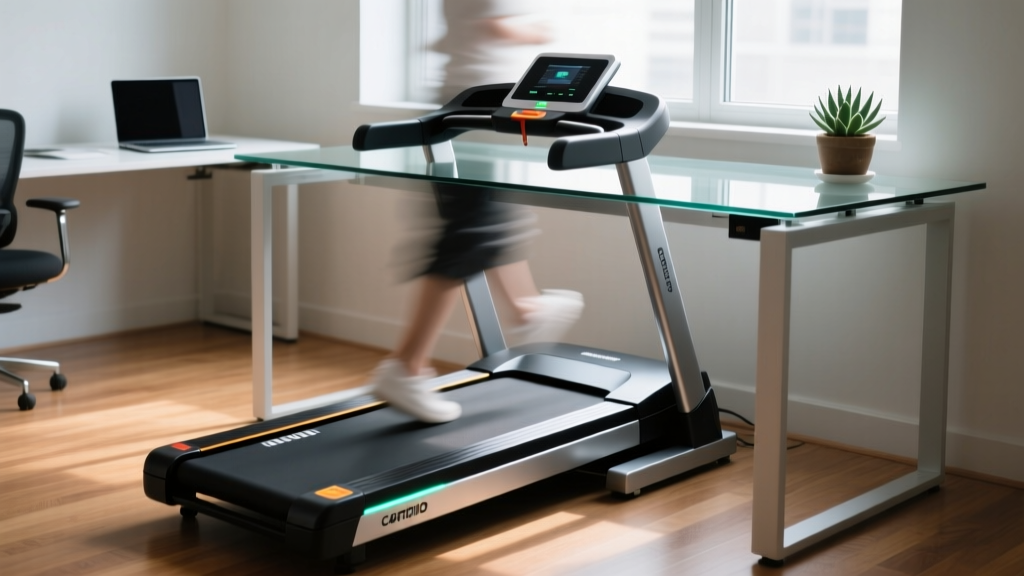
Rowing Buying Guide: Technique vs. Benefits of Treadmill Walking
Master rowing machine technique and avoid common buying mistakes. Discover how indoor rowing compares to the benefits of treadmill walking for cardio.

The Great Cardio Debate: Rowing vs. the Benefits of Treadmill Walking
When outfitting a home gym in 2026, fitness enthusiasts frequently find themselves caught in a crossfire between two cardio titans: the treadmill and the rowing ergometer. While the benefits of treadmill walking are exceptionally well-documented for joint-friendly, low-intensity steady-state (LISS) cardiovascular health and bone density maintenance, the indoor rower offers a fundamentally different, high-yield physiological stimulus. Treadmill walking primarily targets the lower body and relies on gravity and incline to elevate the heart rate. Rowing, conversely, is a horizontal, closed-chain kinetic movement that recruits approximately 86% of the body's musculature per stroke.
However, transitioning from a walking pad or treadmill to a rowing machine introduces a steep learning curve. Unlike walking, which is a natural human gait, rowing is a highly technical skill. A poorly chosen machine or flawed biomechanics can quickly lead to lumbar strain, rib stress fractures, and chronic frustration. This comprehensive troubleshooting and buying guide will help you navigate the common pitfalls of purchasing a rower and correct the technical errors that sabotage your workouts.
Rowing Machine Buying Guide: 3 Costly Mistakes to Avoid
The indoor rowing market is saturated with flashy, screen-heavy machines that prioritize streaming subscriptions over biomechanical integrity. Before dropping $1,000 to $3,000 on a new ergometer, avoid these three critical purchasing errors.
Mistake 1: Ignoring Rail Length and Inseam Clearance
The most frequent complaint from taller users on budget rowers is 'knee strike'—the painful collision of the kneecaps against the monitor arm or flywheel cage at the 'catch' (the starting position of the stroke). If you are over 6'1', you must verify the machine's maximum inseam clearance. The industry gold standard, the Concept2 RowErg (priced around $999), accommodates up to a 38-inch inseam on the standard rail, and offers an extended 54-inch rail for taller athletes. Many sub-$500 magnetic rowers on Amazon max out at a 34-inch rail, rendering them useless for anyone with long femurs.
Mistake 2: Confusing 'Resistance Levels' with Drag Factor
Marketing materials for magnetic rowers (like the Echelon Row or various Peloton competitors) often boast '32 levels of electromagnetic resistance.' This is an arbitrary metric. In contrast, air-resistance rowers utilize a true, measurable metric called the drag factor. Drag factor measures the exact rate of deceleration of the flywheel, mimicking the hydrodynamic drag of a real boat. For aerobic base-building, a drag factor between 100 and 130 is ideal. For power sprints, 130 to 150 is optimal. Buying a machine that hides its true drag coefficient leaves you guessing your actual workload.
Mistake 3: Overvaluing Touchscreens Over Flywheel Mass
A 24-inch HD touchscreen (like the one on the $2,495 Hydrow) provides beautiful scenery, but it does nothing to smooth out your stroke profile. The smoothness of a rower is dictated by the mass of the flywheel and the gear ratio. A heavy, well-calibrated air or water flywheel stores kinetic energy, eliminating the 'dead spot' at the catch. Always prioritize the physical drivetrain (chain vs. belt, flywheel weight, and return bungee tension) over the digital interface.
Expert Buying Framework: If your primary goal is data accuracy, competitive benchmarking (like the 2000m PR), and durability, buy an air rower (Concept2 or Rogue R-400). If your goal is guided instruction, scenic immersion, and you don't care about cross-platform data syncing, opt for a smart magnetic rower (Hydrow or NordicTrack RW900).Troubleshooting Your Technique: Fixing the 'Big Four' Rowing Errors
Even with a perfect machine, poor technique will limit your cardiovascular output and invite injury. The Mayo Clinic notes that aerobic exercise engaging both upper and lower body yields superior caloric burn, but only if the kinetic chain is sequenced correctly. Here is how to troubleshoot the most common technical faults.
Error 1: 'Shooting the Slide'
The Symptom: Your hips and legs extend rapidly, but the handle barely moves. Your lower back takes the brunt of the load, leading to immediate lumbar fatigue. The Fix: The rowing drive is a strict sequence: Legs, then Core, then Arms. At the catch, your arms must be completely straight, acting as hooks. When you push with your legs, the handle must move in perfect unison with your seat. If the seat moves but the handle doesn't, you are 'shooting the slide.' Practice 'legs-only' rowing with a paused finish to rewire your neuromuscular sequencing.
Error 2: Lumbar Rounding at the Catch
The Symptom: Reaching too far forward over the toes, causing the pelvis to tuck and the lumbar spine to flex under load. The Fix: The shins should be completely vertical at the catch—no further. If your heels are popping up or your back is rounding, you lack the ankle dorsiflexion or hamstring flexibility to compress further. Stop the slide when the shins are vertical, keep the chest proud, and initiate the drive from a neutral spine.
Error 3: The Death Grip
The Symptom: Forearm pump, blistered palms, and early grip failure before the cardiovascular system is taxed. The Fix: You are pulling with your fingers rather than hanging off the handle. Wrap your thumbs under the handle, relax your grip, and let the skeletal structure of your arms transfer the force. The handle should rest near the base of the fingers, not high up in the palm.
Error 4: Early Knee Bend on the Recovery
The Symptom: A clunky, jerky rhythm where the handle hits your knees on the way back to the flywheel. The Fix: The recovery sequence is the exact reverse of the drive: Arms away, hinge forward from the hips, then bend the knees. The handle must clear the knees before the seat begins to slide forward. Use a 1:2 work-to-rest ratio (e.g., 1 second on the drive, 2 seconds on the recovery) to enforce patience.
Comparison Matrix: Rowing Ergometer vs. Treadmill Walking
To contextualize where the rower fits into your weekly programming, compare its physiological and logistical footprint against a standard walking treadmill.
| Feature / Metric | Indoor Rowing Ergometer | Treadmill Walking (Incline) |
|---|---|---|
| Muscle Recruitment | ~86% (Full Body: Legs, Core, Back, Arms) | ~40% (Lower Body & Core Stabilizers) |
| Caloric Expenditure (Avg) | 10 - 14 kcal / minute (Moderate Pace) | 5 - 8 kcal / minute (3.5 mph, 5% Incline) |
| Joint Impact | Zero Impact (Seated, Closed-Kinetic Chain) | Low Impact (Weight-Bearing, Good for Bone Density) |
| Learning Curve | High (Requires technical coaching) | None (Natural human gait) |
| Floor Footprint (In Use) | ~8 ft L x 2 ft W (Can be stored vertically) | ~6 ft L x 3 ft W (Fixed, heavy footprint) |
Hardware Troubleshooting: Keeping Your Rower Quiet and Smooth
Rowers are mechanical beasts. Over time, friction and wear will degrade the feel of the machine. Here is how to troubleshoot common hardware complaints without calling a technician.
- The Chain is Loud and Grinding: Never use WD-40 or silicone spray on a rower chain; these attract dust and create an abrasive paste. Instead, wipe the chain with a paper towel and apply a few drops of purified mineral oil or 3-in-One oil every 50 hours of use.
- The Handle Isn't Retracting Quickly: This indicates a stretched or worn internal elastic bungee cord. On most air rowers, you can open the flywheel cage, unhook the old bungee, and thread a new replacement cord (usually a $15 part) in under ten minutes. Alternatively, adjust the tension screw located under the monitor arm to tighten the existing cord.
- Seat Wheels are Bumping or Sticking: The monorail has accumulated microscopic dust and skin cells. Wipe the stainless steel or aluminum rail with a damp paper towel and a mild glass cleaner after every third session. Avoid abrasive scrubbers that will gouge the track.
- Monitor Telemetry is Dropping Strokes: If your stroke rate (s/m) display is erratic, the optical sensor inside the flywheel cage is likely blocked by dust or pet hair. Use a can of compressed air to blow out the sensor housing near the flywheel magnets.
Final Expert Verdict
Understanding the specific benefits of treadmill walking is crucial for active recovery days, joint rehabilitation, and building an aerobic base without central nervous system fatigue. However, when time is scarce and the goal is maximum metabolic conditioning, posterior chain development, and cardiovascular capacity, the rowing machine is unmatched. By avoiding cheap, short-railed machines, respecting the drag factor, and rigorously troubleshooting your stroke sequence, you can transform the ergometer from a frustrating torture device into the most efficient piece of cardio equipment in your 2026 home gym.
More gear to consider
All reviews
2026 Air Bike vs Assault Bike Comparison & Therun Treadmill Review
Free Treadmills: Motor Size Guide & Common Troubleshooting Mistakes
NordicTrack Treadmill Not Working? Motor HP & Size Fixes

Best Treadmills for a 15-Minute Workout: Buying Guide
ProForm 760 EKG Treadmill Belt Maintenance: Budget Value Analysis