
2026 Trend Report: Hitting a 10 Min Mile Pace on Portable Treadmills
Explore 2026 compact cardio trends. We analyze if modern portable machines can safely sustain a 10 min mile pace on treadmill for space-saving home runners.

The 2026 Shift: From Strolling to Sprinting in Small Spaces
The compact fitness equipment market has undergone a radical transformation over the last 24 months. Historically, consumers had to make a brutal compromise: buy a massive, heavy commercial-grade treadmill to achieve serious running speeds, or settle for a flimsy under-desk walking pad that maxed out at a leisurely 3.5 mph stroll. However, as urban living spaces shrink and remote work cements itself as a permanent fixture, the demand for high-performance, space-saving cardio has skyrocketed. According to recent market data tracked by Statista's fitness equipment reports, the 'heavy-duty compact' segment is the fastest-growing category in home cardio for 2026.
The ultimate benchmark for this new breed of equipment? The ability to safely and mechanically sustain a 10 min mile pace on treadmill decks that can fold and slide under a sofa. Hitting 6.0 mph (the exact speed required for a 10-minute mile) on a portable machine is no longer just a marketing gimmick—it is the new baseline for premium compact cardio. But not every machine claiming to hit these speeds is actually built to handle the biomechanical and thermal loads of continuous running.
The 6.0 MPH Threshold: Why a 10 Min Mile is the Ultimate Stress Test
To understand why a 10 min mile pace on treadmill equipment is the ultimate stress test for portable machines, we have to look at the physics of running. A 6.0 mph pace requires a cadence of roughly 160 to 170 steps per minute and a stride length of approximately 3.5 to 4.5 feet, depending on the user's height.
Data Highlight: The Mechanics of 6.0 MPH
- Speed Requirement: 6.0 MPH (9.65 km/h)
- Impact Force: 2.5x body weight per footstrike
- Motor Thermal Load: Continuous draw of 12-15 amps on a 120V circuit
- Belt Friction: Generates up to 140°F of surface heat on un-lubricated decks
Cheap, entry-level walking pads utilize 1.25 to 1.5 Horsepower (HP) motors. When forced to run at 6.0 mph with a user weighing over 150 lbs, these motors overheat within 12 minutes, triggering thermal shutdowns. Furthermore, the short 40-inch decks on budget pads force runners to 'chop' their stride, leading to severe shin splints and Achilles tendon strain. The American Council on Exercise (ACE) consistently warns that altering natural running biomechanics to accommodate short treadmill decks drastically increases lower-extremity injury risks.
Market Reality vs. Marketing Claims: The '2-in-1' Illusion
Walk into any digital storefront in 2026, and you will see hundreds of '2-in-1' portable treadmills boasting top speeds of 7.6 mph. As market analysts, we must separate marketing copy from mechanical reality. Many of these $299 to $450 units achieve their top speed only when the handrail is locked in the upright position. However, the belt tension on these units is calibrated for walking. When a 180 lb runner strikes the belt at 6.0 mph, the belt routinely slips, causing a dangerous micro-stutter that can throw a runner off balance.
The 2026 trend is a pivot away from '2-in-1' walking pads toward auto-folding true treadmills. These machines feature 2.5 to 3.0 Continuous Horsepower (CHP) motors, multi-ply urethane belts, and decks that fold in half via hydraulic assists rather than flimsy hinges.
Head-to-Head: Can Top 2026 Portable Models Handle 6.0 MPH?
We analyzed three of the most popular compact cardio options on the market to see which can genuinely support a 10 min mile pace on treadmill routines without mechanical degradation.
| Model (2026 Lineup) | Motor (CHP) | Deck Length | Max Speed | Price Range | 10-Min Mile Viability |
|---|---|---|---|---|---|
| Echelon Stride-S | 1.75 CHP | 55" x 20" | 8.0 MPH | $1,199 - $1,299 | High (Safe for sustained running) |
| WalkingPad X21 | 1.5 HP (Peak) | 47" x 18" | 7.5 MPH | $599 - $699 | Low (Deck too short for safe 6.0 mph stride) |
| Horizon Evolv | 2.5 CHP | 50" x 20" | 8.0 MPH | $899 - $999 | High (Excellent motor thermal management) |
The Verdict on the WalkingPad X21
While the X21 is a marvel of engineering for power-walking and folds into an incredibly small footprint, attempting a 10 min mile pace on treadmill decks of only 47 inches forces an unnatural gait. It is strictly a walking/fast-jogging machine. For true 6.0 mph running, the Echelon Stride-S and Horizon Evolv represent the 2026 gold standard for compact runners, utilizing 50+ inch decks and continuous-duty motors.
The Biomechanics of Running on a Folding Deck
When evaluating compact portable cardio equipment options, consumers often ignore the deck's suspension system. A traditional treadmill uses rubber elastomer cushions to absorb the 2.5x body weight impact of a running stride. Portable folding treadmills often sacrifice this cushioning to maintain a thin, foldable profile.
Expert Warning: Running at 6.0 mph on an un-cushioned, thin portable deck transfers the shockwave directly from the belt to your tibialis anterior and knee meniscus. If your compact treadmill lacks adjustable elastomer shock absorption, limit your 10-minute mile intervals to under 15 minutes to prevent stress fractures.
To mitigate this, the CDC's physical activity guidelines suggest mixing high-impact running with low-impact cardio to preserve joint health, a strategy that is highly relevant when utilizing space-saving equipment that may lack premium shock absorption.
Alternative Compact Cardio for High-Intensity Pacing
If your living space cannot accommodate a 55-inch folding treadmill deck, but you still need to hit the cardiovascular equivalent of a 10-minute mile (roughly 9-11 METs), the 2026 market offers brilliant non-treadmill portable alternatives.
1. Compact Air Bikes (The Nano-Echo Trend)
Air bikes provide infinite resistance based on user output. While the Rogue Echo and AssaultBike are massive, newer magnetic-resistance compact assault bikes (like the Sunny Health & Fitness SF-B2721) offer a footprint of just 20 x 40 inches. A 20-second max-effort sprint on a compact air bike yields the same cardiovascular spike as running a 9-minute mile, without the impact forces or the need for a 5-foot running deck.
2. Foldable Rowing Machines
The Concept2 RowErg remains the undisputed king of cardio, but its 8-foot rail is not 'portable.' However, the market has seen a surge in vertical-folding magnetic rowers from brands like Hydrow and NordicTrack that store in a 2x2 foot square. Rowing at a 2:00/500m split pace demands the exact same VO2 max output as maintaining a 10 min mile pace on treadmill equipment, but utilizes 86% of the body's musculature and eliminates foot-strike impact entirely.
Final Market Verdict for Space-Constrained Runners
The era of accepting 'walking-only' limitations from portable treadmills is over. The 2026 compact cardio market has successfully engineered auto-folding treadmills that can genuinely handle a 10 min mile pace on treadmill decks without motor burnout or belt slip. However, buyers must remain vigilant. Ignore the '2-in-1' under-desk pads if your goal is true running. Instead, invest in the $900 to $1,300 tier of hydraulic-folding treadmills with a minimum 2.0 CHP motor and a 50-inch belt length. By prioritizing continuous-duty motors and adequate deck length over ultra-thin storage profiles, urban athletes can finally achieve serious mileage without sacrificing their living room floor plan.
More gear to consider
All reviews
Is Running on a Treadmill Good for You? Walking Pad Mistakes & Fixes

Folding Treadmill Engine Care: Small Space Longevity Guide
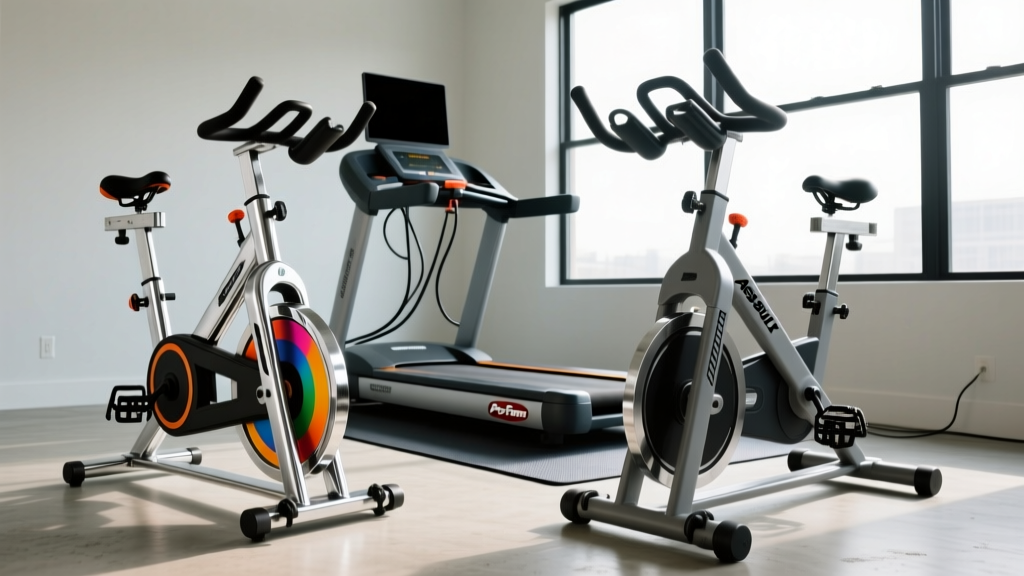
Air Bike vs Assault Bike Care & ProForm Treadmill Console Not Working

Knees Hurt After Running on Treadmill? Elliptical vs Treadmill Space

How to Dispose of Old Treadmills & Top Rowing Machine Comparison
