NordicTrack C700 Treadmill Review: Small Space & Care Guide
Read our NordicTrack C700 treadmill review focusing on small-space folding mechanics, long-term durability, and essential maintenance care tips.

The Reality of the NordicTrack C700 in Small Spaces
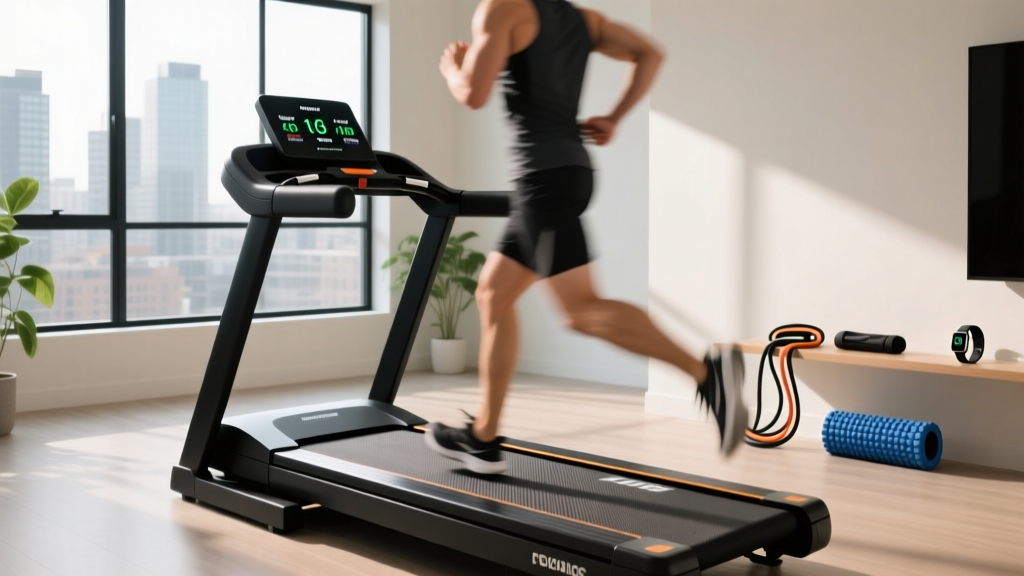
If you are reading a NordicTrack C700 treadmill review to decide if this folding machine can survive years of daily use in a tight apartment, you are asking the right questions. The fitness equipment market is flooded with compact cardio machines, but the transition from a spacious basement gym to a 600-square-foot apartment introduces unique mechanical stresses. The NordicTrack C700, featuring a 2.6 CHP Mach Z motor and a 55-inch by 20-inch tread belt, has long been a staple for home users. However, evaluating it strictly as a "folding treadmill for small spaces" requires looking past the marketing brochure and examining the long-term structural integrity of its folding hinge, compact motor hood, and electrical requirements.
When unfolded, the C700 demands a footprint of roughly 68" L x 28" W x 50" H. According to safety guidelines from the American Council on Exercise (ACE), you must maintain a minimum 24-inch clearance on all sides, and a critical 6-foot "drop zone" behind the machine to prevent severe friction-burn injuries in the event of a fall. When folded via its hydraulic lift system, the footprint shrinks to approximately 30" L x 28" W x 65" H. While this saves floor space, the 165-pound frame means it is not truly "portable." It is a semi-permanent fixture that requires specific maintenance to ensure the folding mechanism and compact components do not prematurely fail.
Folding Mechanism Longevity: The Hinge & Latch
The most common point of catastrophic failure on any folding treadmill is the pivot hinge and the locking latch. Every time you fold or unfold the C700, you place immense shear stress on the base pivot bolts and the hydraulic shock absorber. Over time, the micro-vibrations from running at 8 mph can cause these bolts to back out if not properly maintained.
⚠️ Safety Warning: Never attempt to lower the treadmill deck without verifying that the red locking latch pin has fully disengaged. A slipping latch under the 80-pound weight of the deck assembly can cause severe crush injuries to fingers and hands.Step-by-Step Hinge Maintenance
- Inspect the Pivot Bolts (Every 6 Months): Use a 17mm socket to check the torque on the main hinge bolts connecting the uprights to the base frame. They should be torqued to approximately 45 Nm. If you find metal shavings near the bolt head, the washer is failing and must be replaced immediately.
- Lubricate the Latch Pivot (Annually): Do not lubricate the locking pin itself, as this can cause it to slip out during use. Instead, apply a single drop of white lithium grease to the spring and pivot hinge of the latch handle to ensure smooth retraction.
- Hydraulic Shock Inspection: If the deck slams down too quickly when unfolding, or requires excessive force to lift, the hydraulic cylinder has lost its internal pressure. Replacement hydraulic shocks for the C-series cost between $35 and $50 and are secured by simple cotter pins.
Motor & Deck Care in Compact Hoods
Folding treadmills like the C700 utilize smaller, more compact motor hoods to reduce the overall footprint. While aesthetically pleasing, this design restricts airflow. The 2.6 CHP Mach Z motor generates significant heat, especially during high-incline (10%) interval training. According to repair data from the Treadmill Doctor, excessive heat combined with dust buildup is the number one killer of home treadmill motor control boards.
The 100% Silicone Rule for Phenolic Decks
The C700 utilizes a phenolic-coated deck designed to minimize friction. To maintain this, you must use only 100% pure silicone lubricant. Petroleum-based products (like WD-40) will dissolve the phenolic coating, ruining the $60 deck and causing the belt to grip, which in turn spikes the amp-draw on the motor, eventually frying the motor control board.
- Application Frequency: Every 150 miles or every 3 months, whichever comes first.
- Application Method: Loosen the belt, lift it in the center, and apply a zig-zag pattern of silicone directly onto the deck. Run the treadmill at 2 mph for 3 minutes to distribute the fluid evenly.
- Tension Check: You should be able to lift the belt 2 to 3 inches off the deck in the center. If it lifts higher, it is too loose and will slip during sprint intervals; if lower, it is causing excessive motor drag.
The Small-Space Electrical Trap: Surge & Circuit Care
A frequently overlooked aspect of small-space treadmill ownership is electrical infrastructure. Apartments and condos often feature shared 15-amp circuits. When the C700 starts up, or when the motor works hard against a heavy user on an incline, it can draw up to 15-20 amps momentarily. If your treadmill shares a circuit with a microwave, window AC unit, or refrigerator, the voltage fluctuations and micro-surges will degrade the motor control board's capacitors over time.
Expert Recommendation: Do not plug your C700 into a standard $15 power strip. Invest in a high-joule surge protector specifically rated for fitness equipment (such as a Tripp Lite Isobar with 1440+ joules) or an Automatic Voltage Regulator (AVR). Spending $50 on electrical protection will save you from a $140-$180 motor board replacement down the line.
NordicTrack C700 Maintenance Schedule & Cost Matrix
As of 2026, maintaining the C700 remains highly cost-effective compared to commercial gym memberships, provided you adhere to a strict preventive care schedule. Below is a breakdown of the required maintenance tasks, estimated costs, and intervals.
| Maintenance Task | Frequency | Est. Cost | Tools Required |
|---|---|---|---|
| Belt Lubrication (100% Silicone) | Every 150 miles / 3 Mos | $12 | Allen wrench, Silicone tube |
| Motor Hood Dusting | Monthly | $0 | Vacuum with brush attachment |
| Hinge Bolt Torque Check | Every 6 Months | $0 | 17mm Socket, Torque wrench |
| Drive Belt Tension Adjustment | Annually | $0 | Phillips screwdriver, Allen key |
| Tread Belt Replacement | Every 3-5 Years | $45 - $65 | Allen wrench set |
Troubleshooting Common C-Series Failure Modes
Even with meticulous care, compact treadmills experience specific wear patterns. Here is how to diagnose and address the most common issues reported by long-term C700 owners, corroborated by repair data from Consumer Reports and independent fitness technicians.
1. Belt Drifting to the Left or Right
The Cause: Uneven tension on the rear roller bolts, often caused by a user consistently stepping heavier on one side or running off-center in a small space.
The Fix: Turn the treadmill on to 3 mph. If the belt drifts left, insert the Allen wrench into the left rear roller bolt and turn it 1/4 turn clockwise. Do the same to the right bolt to maintain overall tension. Wait 30 seconds for the belt to track. Never turn the bolts more than 1/2 turn at a time, or you risk over-tensioning and snapping the drive belt.
2. Incline Motor Stuck or Making a Grinding Noise
The Cause: The C700 uses a plastic gear on the incline motor shaft to reduce noise. Under heavy loads (users over 220 lbs on a 10% incline), these teeth can strip.
The Fix: If you hear a grinding noise but the incline doesn't move, the gear is stripped. You will need to order a replacement incline motor assembly (Part number varies by exact manufacturing year, typically $70-$90). To prevent this, avoid changing the incline while standing on the belt; always make incline adjustments while the machine is idle or walking at a slow pace.
3. Sudden Stops and "Error 1" or "Error 2" Codes
The Cause: Error 1 usually indicates a speed sensor issue, while Error 2 points to motor over-current or a failing control board.
The Fix: For Error 1, open the motor hood and locate the optical speed sensor near the front roller. Use a can of compressed air (keep the nozzle at least 4 inches away to avoid spinning the motor fan and generating back-voltage) to clear dust from the sensor eye. For Error 2, check your belt lubrication; a dry belt causes massive amp-spikes that trigger the board's safety shutoff.
Final Verdict: Is the C700 Built to Last?
The NordicTrack C700 remains a highly capable folding treadmill for small spaces, provided the user respects its mechanical and electrical limitations. Its compact motor hood and folding hinge require a more diligent maintenance schedule than a heavy-duty commercial machine. By adhering to a strict 100% silicone lubrication routine, verifying the electrical circuit capacity of your apartment, and routinely torquing the folding pivot bolts, you can easily extend the lifespan of the C700 well past the 3-year mark, maximizing your return on investment in the home cardio market.
More gear to consider
All reviews
Assault AirRunner Treadmill Setup & Motor Horsepower Guide

Beyond the F80 Treadmill Manual: Top Under Desk Treadmills 2026

How to Align Treadmill Belt: Curved vs Motorized Setup Guide

Does Holding Onto the Treadmill Burn Less Calories? Noise Guide

Under Desk Treadmill Review: Care and Technogym Myrun Treadmill Tips