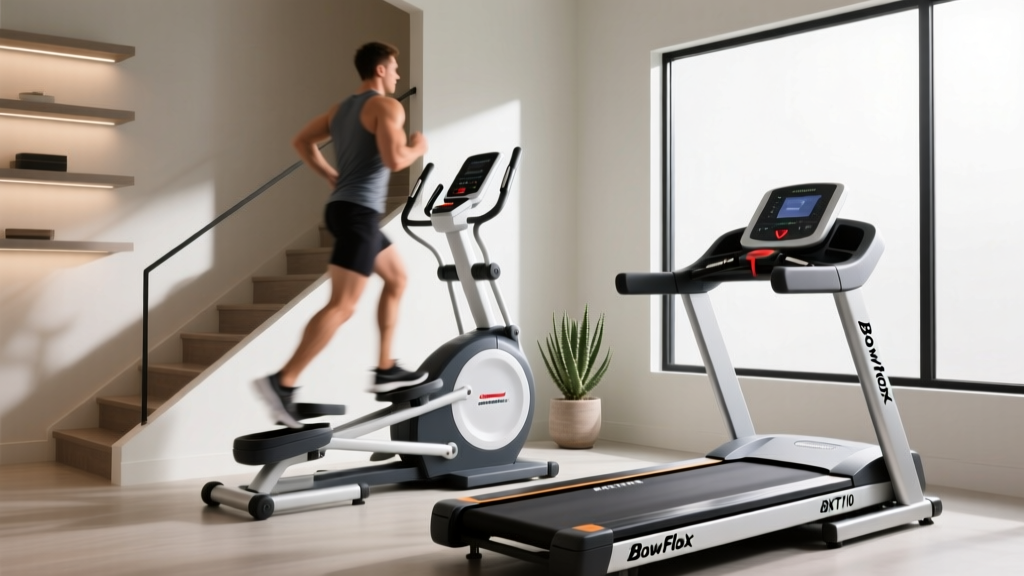
Maintaining Your Compact "Torture Treadmill" & Portable Cardio Gear
Learn expert maintenance tips to extend the life of your compact portable cardio equipment, even when pushing it to torture treadmill HIIT limits.

The 'Torture Treadmill' Phenomenon Meets Compact Living
In the fitness community, the term torture treadmill is affectionately reserved for brutal High-Intensity Interval Training (HIIT) sessions that push both the athlete and the machine to their absolute limits. According to research from the Mayo Clinic, HIIT maximizes cardiovascular output in short bursts, generating immense mechanical force. However, as urban living spaces shrink in 2026, enthusiasts are increasingly relying on compact portable cardio equipment options—like folding treadmills, portable magnetic rowers, and compact air bikes—to replicate that same grueling burn at home.
The problem? Pushing a foldable, 150-pound machine to its maximum capacity creates severe mechanical stress. Compact machines feature smaller continuous horsepower (CHP) motors, lighter flywheels, and folding hinges that degrade rapidly under extreme HIIT abuse. If you treat a portable stepper or folding treadmill like a commercial-grade gym machine without a rigorous maintenance protocol, you will face catastrophic failure within months. This guide provides deep, actionable maintenance strategies to keep your compact cardio gear surviving the torture treadmill effect.
The Biomechanical Toll of HIIT on Portable Frames
When you perform all-out sprints or heavy resistance intervals, the peak force exerted on a treadmill deck or rower rail can exceed three times your body weight. On a commercial treadmill with a 4.0 CHP motor and a welded steel frame, this force is easily absorbed. On a compact folding treadmill with a 2.0 CHP motor and an aluminum-alloy folding hinge, this force causes micro-flexing. Over time, this micro-flexing leads to metal fatigue, stripped carriage bolts, and misaligned drive belts.
⚠️ Critical Warning: Never ignore a rhythmic clicking sound during high-speed intervals on a folding machine. This is the primary indicator of a failing gas-shock cylinder or a loosened M8 locking pin at the folding hinge. Stop immediately and torque the hardware.Furthermore, the American Council on Exercise (ACE) notes that the rapid acceleration and deceleration inherent in HIIT workouts place disproportionate wear on drive belts and magnetic resistance calipers. Understanding these stress points is the first step in preventing equipment death.
Essential Maintenance Matrix for Portable Cardio Options
Different compact machines fail in different ways. Use the matrix below to establish a proactive maintenance calendar based on your specific equipment type.
| Equipment Type | Primary HIIT Stress Point | Maintenance Interval | Specific Action Required |
|---|---|---|---|
| Folding Treadmill | Motor Inverter & Belt Friction | Every 30 Days | Apply 15ml 100% Silicone; Check M8 Hinge Bolts |
| Compact Magnetic Rower | Bungee Return Cord & Rail Wheels | Every 50 Hours | Inspect bungee fraying; Wipe rail with isopropyl |
| Portable Air Bike | Chain Tensioner & Bottom Bracket | Every 90 Days | Adjust chain deflection to 1/2 inch; Grease bearings |
| Under-Desk / Portable Stepper | Hydraulic Cylinder Seals | Every 6 Months | Check for fluid weeping; Replace if pressure drops |
The Folding Hinge: Your Machine's Biggest Vulnerability
The defining feature of compact portable cardio equipment is its ability to fold and roll away. However, the folding hinge is the literal and figurative weak point of the machine. When you are sprinting at 10 mph on a folding treadmill, the kinetic energy travels down the deck and directly into the hinge mechanism.
Step-by-Step Hinge and Gas Shock Maintenance
- Inspect the Locking Pin: Most folding treadmills use an M8 or M10 steel locking pin to secure the deck during use. Remove this pin monthly, wipe away any metal shavings or dust, and apply a thin layer of white lithium grease. Do not use WD-40, as it attracts dust and creates a grinding paste.
- Torque the Carriage Bolts: Using a calibrated torque wrench, check the bolts securing the hinge to the main uprights. These should typically be tightened to 25-30 Nm (Newton-meters). If the bolt head shows signs of stripping, replace it with a Grade 8 hex bolt immediately.
- Test the Gas Shock Cylinder: The gas shock assists in lifting the heavy deck. If the deck slams down when unlatched, the cylinder has lost its internal nitrogen pressure. Replacement cylinders cost between $25 and $45 and are easily swapped using a standard socket set.
Belt Lubrication and Motor Heat Dissipation
According to the Consumer Reports Treadmill Buying and Maintenance Guide, inadequate belt lubrication is the number one cause of premature motor failure. When you perform HIIT sprints, the friction between the belt and the deck generates immense heat. In compact treadmills, the motor housing is heavily enclosed to save space, meaning heat cannot dissipate easily.
If the belt is dry, the motor must draw higher amperage to maintain speed during your sprint intervals. This spikes the temperature of the motor's inverter board, eventually melting the solder joints or tripping the thermal cutoff switch.
Expert Tip: To check if your compact treadmill needs lubrication, slide your hand under the belt near the center of the deck. Your fingers should feel slightly oily. If they come away completely dry, your motor is currently working 30% harder than it needs to during your torture treadmill sessions.
The Fix: Purchase a bottle of 100% pure silicone treadmill lubricant (typically $12-$18). Lift the edge of the belt and apply exactly 15ml in a zig-zag pattern across the deck. Run the machine at 3 mph for five minutes to distribute the silicone evenly. Never use petroleum-based sprays, which will dissolve the cotton backing of the belt and void your warranty.
Sweat Corrosion on Magnetic Resistance Sensors
Compact portable cardio equipment like folding rowers and portable climbers rely on magnetic resistance and Hall effect sensors to track your wattage and distance. During a grueling HIIT session, an athlete can easily produce over one liter of sweat. On compact machines, the console and resistance dial are positioned directly in the 'splash zone'.
Saltwater is highly corrosive. When sweat drips into the resistance dial or the console seams, it corrodes the copper wiring on the PCB (Printed Circuit Board) and degrades the neodymium magnets used for tension. To prevent this:
- Post-Workout Wipe Down: Never use bleach or ammonia-based cleaners. Use a microfiber cloth dampened with a 50/50 mix of distilled water and white vinegar to neutralize salt deposits on the console and handlebars.
- Sensor Protection: If your compact rower or bike features an exposed flywheel, use a silicone-based dielectric grease on the magnetic sensor contacts every six months to create a waterproof barrier against sweat intrusion.
- Use a Machine Mat: A high-density PVC equipment mat ($30-$50) prevents sweat from pooling under the machine, which can cause the adjustable leveling feet to rust and seize, making the machine impossible to level on hardwood floors.
Expert Troubleshooting: When Your Portable Gear Squeaks or Slips
Even with meticulous care, compact machines subjected to extreme HIIT will develop quirks. Here is how to diagnose and fix the most common edge cases:
1. The Belt Slips During Acceleration
If the motor spins but the belt hesitates when you plant your foot for a sprint, the drive belt (connecting the motor to the front roller) is loose. Unplug the machine, remove the motor hood (usually 4-6 Phillips screws), and locate the motor tensioner bracket. Loosen the mounting bolts, pivot the motor outward to increase tension on the V-belt until it has exactly 1/2 inch of deflection when pressed, and retighten.
2. Portable Rower Bungee Cord Snaps
Many compact rowers use an internal elastic bungee cord instead of a chain return mechanism to save weight. High-tension HIIT rows stretch this cord to its limit. If the handle fails to retract, the bungee has lost elasticity or snapped. You must order an OEM replacement bungee (usually around $20). Do not attempt to replace it with a generic hardware store bungee, as the recoil tension will be incorrect, potentially damaging the internal spool.
3. Console Flickers During Max Effort
If your console dims or flickers exactly when you hit peak wattage, the internal power supply is failing to handle the amperage draw, or the battery contacts (if wireless) are vibrating loose. For wired compact machines, check the DC jack connection at the base of the upright. A small drop of hot glue around the base of the DC jack can prevent it from vibrating loose during heavy intervals.
Maximizing Longevity Through Environmental Control
Finally, the environment in which you store your compact portable cardio equipment dictates its lifespan. Storing a folding treadmill in a garage or an uninsulated sunroom exposes the internal electronics to massive humidity fluctuations. This causes condensation to form on the motor controller board, leading to short circuits.
Always store your portable gear in a climate-controlled room (ideally between 65°F and 75°F with humidity below 50%). If you must keep it in a multi-purpose room, invest in a breathable, anti-static equipment cover ($25-$40) to protect the console and deck from UV degradation and dust accumulation. By respecting the mechanical limits of compact machines and adhering to this rigorous maintenance protocol, you can safely endure the torture treadmill effect for years without replacing your gear.
More gear to consider
All reviews
Rowing vs Treadmill: Technique, Buying & Treadmill Maintenance Oil

Stair Climber Setup Guide: Superfit Folding Treadmill Alternative

LifeSmart TM4000 Power Touch Treadmill vs 2026 Portable Cardio Trends

Rowing Machine Guide & Technique: Setup for 8.0 Incline on Treadmill
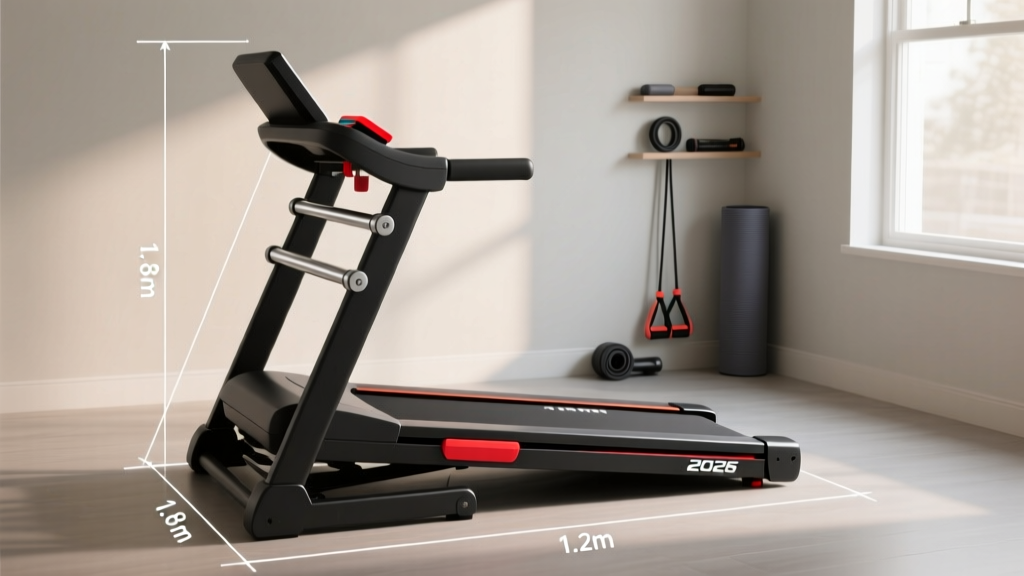
Treadmill Drawing & Space Analysis: 2026 Folding Treadmill Review