Compact Incline Treadmill Walking: Maintenance & Longevity Guide
Maximize the lifespan of your portable cardio gear. Expert maintenance tips and model recommendations for compact incline treadmill walking routines.

The Hidden Mechanical Toll of Incline Treadmill Walking
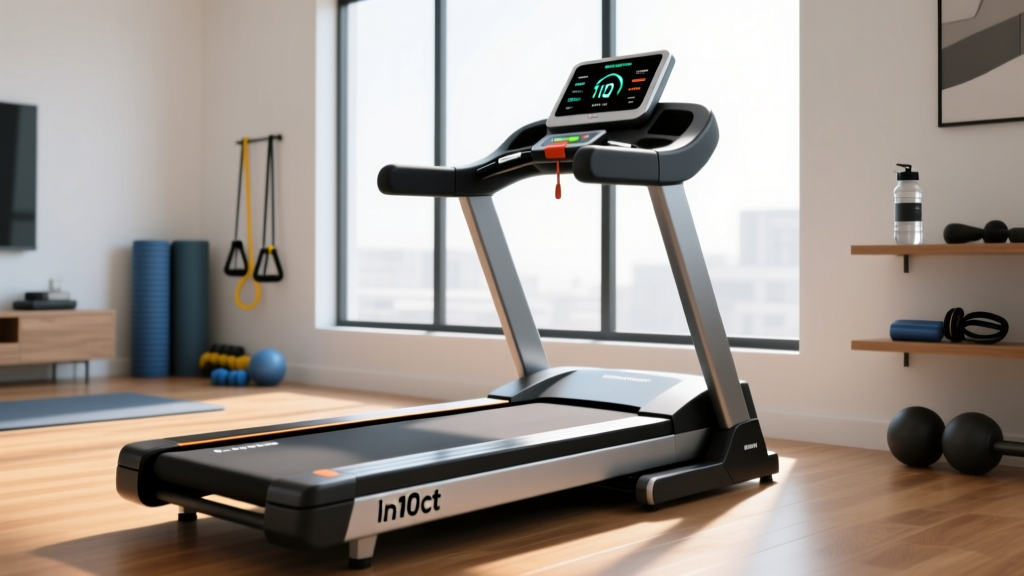
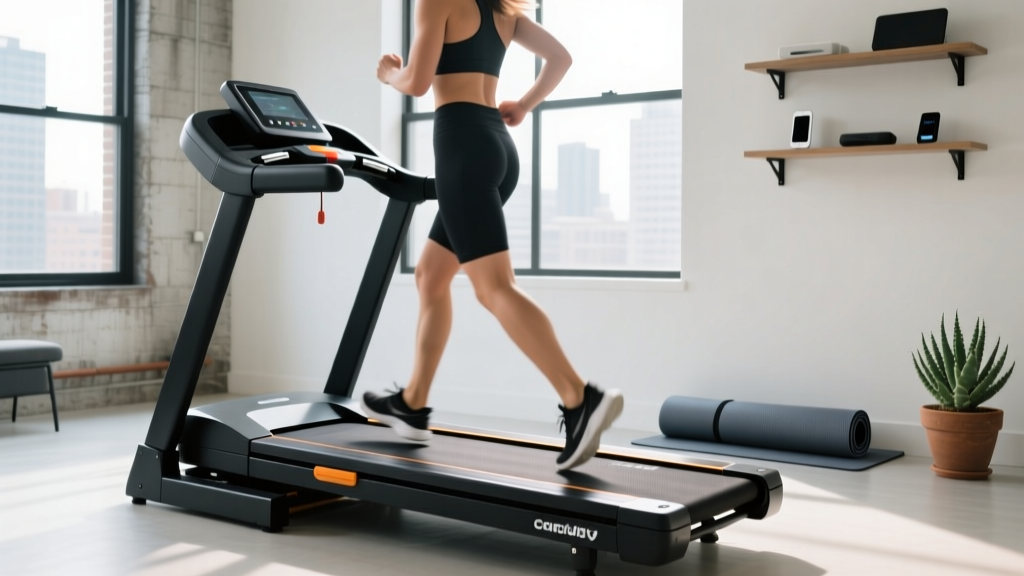
The explosion of compact portable cardio equipment options has revolutionized home fitness, allowing users to squeeze a full gym setup into a small apartment or home office. However, the viral popularity of intense incline treadmill walking routines—such as the famous 12-3-30 protocol (12% incline, 3 mph, for 30 minutes)—has exposed a critical vulnerability in these space-saving machines. While a compact walking pad might survive years of flat, casual strolling, subjecting its small motor and narrow belt to sustained incline loads drastically accelerates wear and tear.
According to the Cleveland Clinic, walking on an incline significantly increases the metabolic demand and muscular engagement of your lower body. Unfortunately, this same physical demand translates directly into mechanical stress on your equipment. When you elevate the deck of a treadmill, gravity fights every step you take. On a full-sized commercial treadmill with a 3.0 Continuous Horsepower (CHP) motor, this is easily managed. On a compact portable treadmill with a 1.25 CHP motor, the electrical amp draw can spike by 40% to 60% during a sustained 10% to 12% incline.
Warning: This excessive amp draw generates immense heat within the motor housing. Over time, thermal stress degrades the internal copper windings and dries out the motor bearings, leading to a high-pitched whining noise and eventual motor controller failure. If you are committed to incline treadmill walking, understanding motor strain is non-negotiable.Selecting Portable Cardio Equipment Built for Incline Longevity
Not all compact treadmills are created equal when it comes to handling grades. Many budget-friendly walking pads advertise a "peak" horsepower of 2.5 HP, but operate at a continuous 0.75 HP, which will burn out within weeks of heavy incline use. For serious incline treadmill walking, you must prioritize Continuous Horsepower (CHP), robust deck hinges, and automated incline actuators over manual pin-adjustments.
Below is a 2026 comparison of the top compact portable cardio equipment options specifically rated for incline treadmill walking durability:
| Model | Footprint (L x W) | Motor (CHP) | Incline Range | Est. Price (2026) | Longevity Rating |
|---|---|---|---|---|---|
| KingSmith WalkingPad X21 | 38" x 22" (Folded) | 1.5 CHP | 0% - 8% (Auto) | $799 | High |
| UREVO Strol 2E | 45" x 23" (Folded) | 1.25 CHP | 0% - 9% (Auto) | $459 | Medium |
| Sunny Health SF-T723016 | 53" x 25" (Folded) | 1.0 CHP | 0% - 10% (Manual) | $349 | Low (for incline) |
The 4-Step Maintenance Protocol for Compact Incline Treadmills
Maintenance for an incline-heavy routine differs vastly from a flat-walking routine. The Treadmill Doctor emphasizes that friction and heat are the primary enemies of treadmill longevity. Follow this strict, actionable protocol to extend your machine's lifespan when performing incline treadmill walking.
1. Aggressive Silicone Lubrication
Standard flat walking requires 10-15ml of 100% silicone lubricant every 150 miles. However, incline treadmill walking increases the downward force and friction between the belt and the deck. You must apply 10-15ml of silicone lubricant every 40 to 50 miles (or roughly every 3 weeks of daily 12-3-30 workouts). Lift the belt from the center and apply the silicone in a zig-zag pattern across the deck to ensure even distribution.
2. Precision Belt Tensioning
When transitioning from a flat surface to a 10% incline under a 180lb user, a loose belt will slip, causing the motor to over-rev and the control board to surge. Check your belt tension monthly. If the belt slips on an incline, use the provided Allen wrench to tighten the rear roller bolts by exactly 1/4 turn clockwise on both the left and right sides. Never exceed a 1/2 turn total without re-testing, as over-tensioning will destroy the motor bearings and front roller.
3. Incline Hinge and Actuator Care
Compact treadmills use small linear actuators or manual gas springs to adjust the incline. The pivot points where the deck meets the frame endure massive shear forces during incline walking. Every six months, apply a dry PTFE (Teflon) lubricant to the deck hinges and the actuator screw drive. Avoid wet oils like WD-40, which will attract dust and create a grinding paste that strips the plastic gears inside the incline motor.
4. Motor Compartment Dust Evacuation
Because compact treadmills sit closer to the floor, they ingest significantly more dust, pet hair, and debris than upright models. This debris clogs the motor's cooling fan, exacerbating the heat generated by incline walking. Every 60 days, unplug the machine, remove the motor hood cover (usually 4 to 6 Phillips head screws), and use a can of compressed air and a soft brush to clean the motor fins and the drive belt area.
"The biomechanics of incline walking require greater ankle dorsiflexion and hip extension, which translates to a heavier, more forceful foot strike on the treadmill deck. Ensuring your compact machine's deck is properly waxed and shock-absorbing is vital not just for the machine, but for your joint health." — American Council on Exercise (ACE)
Troubleshooting Common Compact Incline Failure Modes
Even with meticulous care, compact portable cardio equipment options will exhibit specific failure modes when pushed to their incline limits. Here is how to diagnose and address the most common edge cases.
Symptom: Belt Jerks or Slips Only on Inclines
Diagnosis: The drive belt (connecting the motor to the front roller) is stretched, or the walking belt is under-tensioned. The increased torque required for incline walking causes the slip.
Fix: First, tension the walking belt by 1/4 turn. If the issue persists, remove the motor hood and check the motor drive belt. If it feels loose, adjust the motor mount tensioner bolt to tighten it. If the drive belt is cracked or glazed, order a replacement (typically a 330-J or 380-J multi-rib belt, costing around $12-$18).
Symptom: Loud Grinding Noise When Adjusting Incline
Diagnosis: The incline actuator's internal plastic gears are stripped, or the lead screw is completely dry and binding under the weight of the deck.
Fix: If the noise occurs while moving but the deck still rises, the lead screw needs immediate PTFE lubrication. If the motor hums but the deck does not move, the internal gears are stripped. You will need to replace the entire incline actuator assembly (usually $45-$80 depending on the brand).
Symptom: Machine Shuts Off Mid-Workout on a 10%+ Grade
Diagnosis: Thermal overload. The motor has exceeded its safe operating temperature, triggering the internal thermal breaker to protect the windings from melting.
Fix: Allow the machine to cool for 30 minutes. Long-term, you must clean the motor compartment of dust, ensure the room is well-ventilated, and consider upgrading to a model with a higher CHP rating if your user weight exceeds 180 lbs and you frequently walk at maximum incline.
Final Thoughts on Portable Incline Longevity
Compact portable cardio equipment options offer unparalleled convenience for apartment dwellers and busy professionals. However, treating a lightweight walking pad like a commercial gym treadmill is a fast track to a broken machine. By selecting a model with a genuine 1.5 CHP motor, strictly adhering to an accelerated 40-mile silicone lubrication schedule, and keeping the motor compartment free of debris, you can successfully enjoy the cardiovascular benefits of incline treadmill walking for years without premature equipment failure.
More gear to consider
All reviews
Air Bike vs Assault Bike Maintenance & North Track Treadmill Care

Elliptical vs Treadmill Layouts: Using a Treadmill Speed Converter

Folding Treadmill for Small Spaces Review: Skip the Water Treadmill

Rowing Buying Guide: Anti Gravity Treadmill Price vs Premium Rowers

Rowing vs. Treadmill: Can Rowing Beat a Fat Burning Treadmill Workout?