Assault Air Bike Comparison Guide & ProForm XP550E Treadmill Care
Compare long-term upkeep of the ProForm XP550E treadmill and top air bikes. Expert maintenance tips, failure modes, and longevity data for 2026.

The Home Gym Cardio Dilemma: Motorized Belts vs. Fan Resistance
Building a resilient home gym in 2026 requires looking past the initial price tag and evaluating the total cost of ownership. When deciding between steady-state cardio and high-intensity interval training (HIIT), buyers often cross-shop traditional motorized machines with fan-driven alternatives. According to the American Heart Association, adults need at least 150 minutes of moderate-intensity aerobic activity weekly, meaning your primary cardio machine will endure hundreds of hours of use annually.
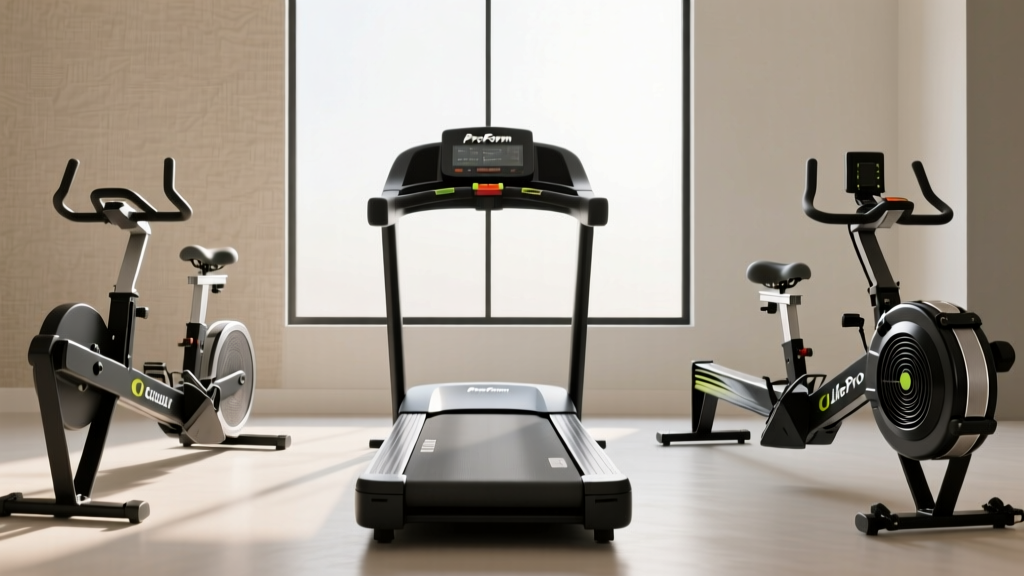
This guide serves a dual purpose: we provide a definitive air bike vs assault bike comparison guide focused on mechanical longevity, while using the popular ProForm XP550E treadmill as our baseline for motorized equipment maintenance. Whether you are pushing watts on an air bike or logging miles on a treadmill, understanding the specific failure modes of your equipment is the key to a decade-long lifespan.
💡 Quick Lifespan Benchmark (2026 Data)
Motorized Treadmills (e.g., ProForm XP550E): 7–10 years (highly dependent on belt lubrication and motor board care).
Chain-Drive Air Bikes (e.g., Assault Elite): 10–12 years (requires periodic chain and bottom bracket servicing).
Belt-Drive Air Bikes (e.g., Rogue Echo V2): 12–15+ years (virtually maintenance-free drivetrain, isolated bearing wear).
Deep Dive: Air Bike vs. Assault Bike Maintenance Comparison
The air bike market is dominated by two distinct engineering philosophies: chain-driven and belt-driven resistance. While both deliver the grueling, full-body HIIT workouts championed by the American Council on Exercise (ACE), their long-term maintenance profiles are vastly different.
Assault Bike Elite: The Chain-Drive Workhorse
The Assault Bike Elite utilizes a heavy-duty steel chain to connect the crankset to the fan hub. This design mimics a bicycle, providing a familiar, rigid pedal feel. However, it introduces the necessity of chain maintenance.
- Lubrication Interval: Every 3 to 4 months (or every 150 hours of use). You must use a dry PTFE or wax-based bicycle chain lube. Wet lubes attract dust and sweat, creating a grinding paste that accelerates sprocket wear.
- Chain Stretch & Replacement: After approximately 1,500 hours of high-torque sprinting, the chain will experience 'stretch' (pitch elongation). A replacement #420 roller chain costs roughly $25 and takes 20 minutes to install with a master link.
- Bottom Bracket Wear: The sealed cartridge bottom bracket is the most common failure point. If sweat drips down the seat post and bypasses the seals, the bearings will grind. Replacing it requires a standard 20mm splined bottom bracket tool and a $30 Shimano UN300 replacement unit.
Rogue Echo Bike V2: The Poly-V Belt Alternative
Rogue’s answer to the air bike eliminates the chain entirely, opting for a Poly-V ribbed belt drive. This fundamentally shifts the maintenance burden.
- Drivetrain Upkeep: Zero lubrication is required. The belt does not stretch in the same manner as a chain, and it operates silently.
- Belt Tracking & Tension: The primary edge case is belt mistracking. If the fan hub becomes misaligned from lateral shipping impacts, the belt can ride off the pulley. Re-seating it requires removing the side shrouds (4mm hex key) and adjusting the tensioner bolt to exactly 45 lbs of deflection force.
- Replacement Cost: If the Poly-V belt snaps (rare, usually after 5+ years of extreme use), a replacement belt costs around $45, but sourcing it directly from Rogue can take 2-3 weeks depending on supply chain variables.
| Feature | Assault Bike Elite (Chain) | Rogue Echo Bike V2 (Belt) |
|---|---|---|
| Drivetrain Lube | Required (Dry PTFE every 3 mos) | None required |
| Noise Profile | Moderate (chain whir + fan) | Quiet (fan noise only) |
| Primary Failure Point | Chain stretch / Bottom bracket | Belt tensioner / LCD sweat damage |
| 5-Year Upkeep Cost | ~$85 (Chain, BB, Lube) | ~$15 (Lube, battery replacements) |
Baseline Upkeep: ProForm XP550E Treadmill Longevity Protocol
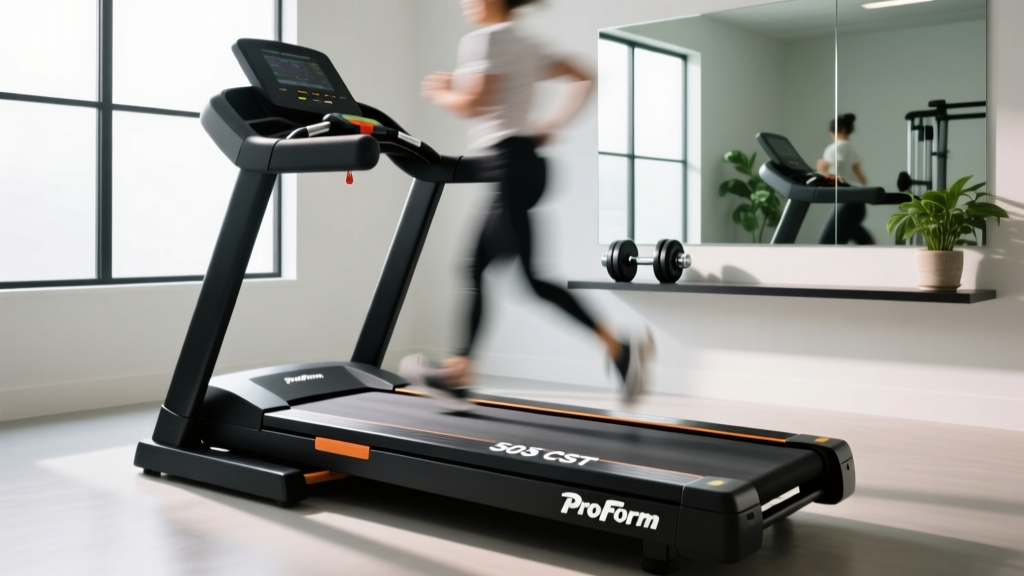
While air bikes rely on mechanical drivetrains, motorized treadmills like the ProForm XP550E treadmill introduce complex electronics and high-friction surfaces. The XP550E features a 2.0 Continuous Horsepower (CHP) motor and an 18" x 55" tread belt. According to the Consumer Reports Treadmill Buying Guide, friction is the number one enemy of motorized treadmills. Neglecting the deck will not just ruin the belt; it will destroy the machine's nervous system.
The Amp-Draw Death Spiral
When the XP550E’s tread belt dries out, friction against the wooden deck increases. To maintain your set speed, the 2.0 CHP motor draws more amperage. This excess current generates heat in the motor windings and, more critically, overloads the lower motor control board. A fried control board on the XP550E is a $120 to $150 replacement part and is the most common reason these machines end up in landfills prematurely.
Step-by-Step ProForm XP550E Maintenance Schedule
- Monthly Belt Alignment Check: Run the treadmill at 3 mph. Observe the rear roller. If the belt drifts left, turn the left rear adjustment bolt clockwise by exactly one-quarter turn. Never adjust more than a half-turn at a time to avoid over-tensioning and snapping the belt.
- Quarterly Silicone Lubrication: Every 3 months (or 130 miles), lift the belt and apply 1 oz of 100% silicone treadmill lubricant in a zigzag pattern across the deck. Never use WD-40 or petroleum-based oils, as they will dissolve the belt’s cotton backing.
- Annual Deck Inspection: Feel the deck under the belt. If you detect a 'dip' or groove in the center where your foot strikes, the phenolic coating has worn through. The XP550E deck is reversible. Unplug the machine, remove the motor hood and side rails, flip the deck 180 degrees, and reassemble to double its lifespan.
5-Year Cost of Ownership Matrix
When budgeting for a home gym, factor in the hidden costs of longevity. Below is a projected 5-year maintenance cost analysis based on 3 hours of weekly use.
| Equipment Model | Routine Consumables | Expected Repairs (Years 3-5) | Total 5-Yr Upkeep |
|---|---|---|---|
| ProForm XP550E Treadmill | Silicone Lube ($20) | Control Board / Belt ($160) | $180 |
| Assault Bike Elite | PTFE Lube, Grips ($35) | Chain & Bottom Bracket ($65) | $100 |
| Rogue Echo Bike V2 | None ($0) | Seat / Pedal pins ($40) | $40 |
Environmental Threats: Sweat, Dust, and Humidity
The environment in which you place your cardio machine dictates its survival. Air bikes are particularly vulnerable to sweat corrosion. The salt from human perspiration acts as an aggressive electrolyte, rapidly oxidizing exposed steel. On the Assault Bike, sweat dripping onto the chain and bottom bracket seals accelerates wear by a factor of three. Always use a sweat cover or drape a towel over the handlebars and fan cage during max-effort intervals.
Conversely, the ProForm XP550E treadmill is highly susceptible to ambient dust and humidity. Dust acts as an insulator inside the motor shroud, trapping heat and triggering the thermal overload switch. Use a can of compressed air every six months to blow out the motor compartment and the lower control board fins. If your gym is in an unclimate-controlled garage, humidity can cause the wooden deck to warp and the internal wiring harnesses to corrode; a dehumidifier is a non-negotiable investment in this scenario.
Frequently Asked Questions
Can I use a bicycle chain lube on my Assault Air Bike?
Yes, but only if it is a dry PTFE or wax-based lube (like Finish Line Dry). Wet bicycle lubes are designed to repel rain and mud, but in an indoor gym environment, their sticky residue will attract dust, dead skin, and clothing lint, turning your drivetrain into a grinding paste that destroys the sprockets.
How do I know if my ProForm XP550E motor control board is failing?
The most common symptom of a failing lower board on the XP550E is a sudden, uncommanded drop in speed, or the belt 'stuttering' every few seconds at higher speeds (above 6 mph). If you have properly lubricated the belt and verified the tension, but the stuttering persists, the board's MOSFETs are likely degrading from heat stress and require replacement.
Is the Rogue Echo Bike truly maintenance-free?
While the Poly-V belt drive eliminates chain lubrication, the Echo Bike is not 100% maintenance-free. The sealed cartridge bearings in the fan hub and the crank arms will eventually dry out or succumb to sweat intrusion. Additionally, the LCD console requires AA batteries, and the plastic shrouds should be wiped down weekly to prevent sweat from pooling in the screw recesses and rusting the hex bolts.
More gear to consider
All reviews
Beyond the Treadmill Photo: Upright vs Recumbent vs Spin Bikes

Beyond the ProForm Treadmill 520 ZN: 2026 Compact Cardio Trends
Matrix Treadmill How to Use and Maintain: Belt Lubrication Guide

Cheapest VR Treadmill Hack: Folding Small Space Review & Care

Stationary Bike or Treadmill for Weight Loss in Small Spaces