
Air Bike vs Assault Bike: Buffalo Concussion Treadmill Test Value
We break down the budget and value of using an Assault or Rogue air bike as an alternative to the Buffalo Concussion Treadmill Test for clinical rehab.

The Clinical Standard vs. The Rehab Challenger
When managing post-concussion syndrome, cardiovascular rehabilitation is a critical pillar of recovery. The gold standard for determining exercise tolerance in these patients has long been the Buffalo Concussion Treadmill Test (BCTT). Developed by researchers at the University at Buffalo, this protocol identifies the heart rate threshold at which concussion symptoms exacerbate, allowing practitioners to prescribe safe, sub-symptom aerobic exercise.
However, as of 2026, sports medicine clinics and home-rehab setups are increasingly questioning the financial and biomechanical viability of traditional clinical treadmills. Enter the air bike. Specifically, the heavy-duty fan bikes from Assault Fitness and Rogue. But can an air bike genuinely replicate the clinical utility of the BCTT while offering superior budget value? This guide provides a deep-dive value analysis comparing the Assault AirBike Elite and the Rogue Echo Bike against traditional treadmill setups for concussion rehabilitation.
Clinical Disclaimer: The BCTT and any sub-maximal cardiovascular stress testing for traumatic brain injury (TBI) or concussion must be administered and monitored by a qualified neurologist, physical therapist, or sports medicine physician. Never attempt to self-diagnose or self-titrate concussion rehab protocols.Understanding the Buffalo Concussion Treadmill Test
The University at Buffalo Concussion Management Program developed the BCTT to safely evaluate patients recovering from mild TBI. The patient walks or runs on a treadmill using a modified Balke or Bruce protocol, increasing the grade or speed every minute while monitoring heart rate and symptom severity.
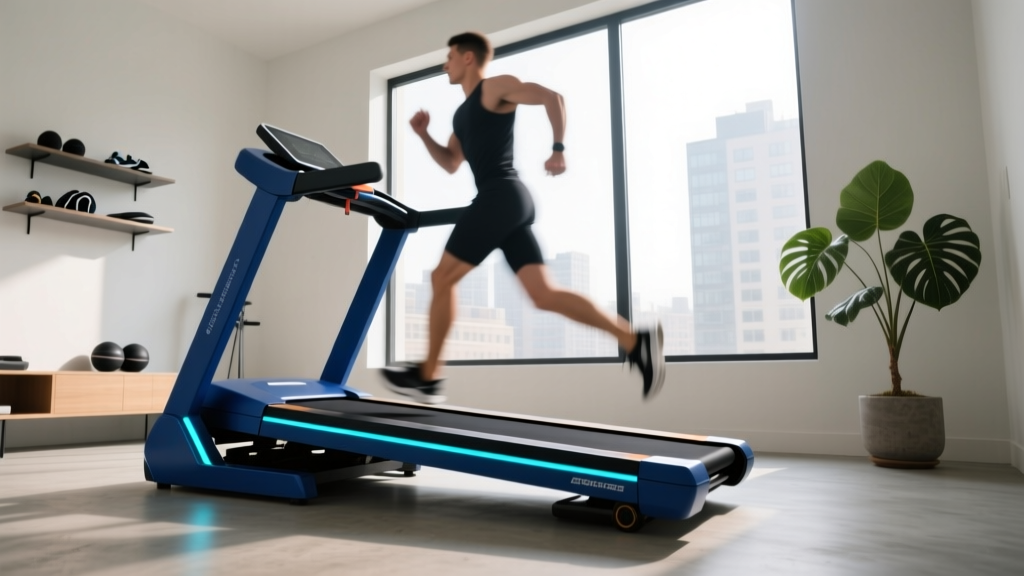
The primary failure mode of the treadmill for concussed patients is vestibular and visual overload. The repetitive vertical head-bobbing of walking or running, combined with the rapid optic flow of a moving belt, frequently triggers dizziness and nausea before the patient actually reaches their true cardiovascular symptom threshold. This leads to premature test termination and inaccurate rehab prescriptions.
Budget Breakdown: Clinical Treadmill vs. Premium Air Bikes
From a purely financial perspective, outfitting a clinical rehab room or a dedicated home recovery space with a treadmill carries a massive premium. Below is a 2026 budget breakdown comparing a standard clinical treadmill to premium air bikes.
| Equipment Category | Specific Model | Approx. 2026 Cost | Space Footprint |
|---|---|---|---|
| Clinical Treadmill | Life Fitness Club Series+ | $3,800 - $4,200 | 34" x 82" |
| Premium Air Bike | Assault AirBike Elite | $1,099 | 23" x 51" |
| Premium Air Bike | Rogue Echo Bike | $895 | 23" x 48" |
| Required Accessory | Polar H10 HR Chest Strap | $90 | N/A |
The Value Gap: By opting for an air bike setup, clinics and home users save between $2,600 and $3,100 per station. Furthermore, the spatial footprint of an air bike is roughly 60% smaller than a commercial treadmill, a critical metric for urban physical therapy offices where square-footage leasing costs are high.
Assault AirBike Elite vs. Rogue Echo Bike: Value Analysis
If you are pivoting away from the treadmill to mitigate vestibular strain, which air bike offers the best return on investment for clinical or home rehab? Both machines generate wind resistance, but their engineering philosophies differ vastly.
Assault AirBike Elite ($1,099)
The Elite is the 2026 flagship from Assault Fitness, designed specifically to address the comfort complaints of the original Classic model.
- Drive System: Belt-drive. This is crucial for rehab environments as it reduces ambient noise to a manageable hum, allowing clinicians to communicate with patients during the test.
- Ergonomics: Features a 1.5-inch thick, wide contour seat. For patients with lingering post-concussion fatigue or lower back sensitivity, this seat prevents localized pain from skewing the cardiovascular test results.
- Console: High-contrast LCD display with Bluetooth connectivity, making it easy to pair with external heart rate monitors and export data to electronic medical records (EMR).
- Edge Case Failure Mode: The belt drive requires periodic tension checks. If placed in a high-humidity clinical pool-adjacent room, the internal Kevlar belt can degrade faster than expected.
Rogue Echo Bike ($895)
Built like a tank, the Rogue Echo is a staple in CrossFit gyms but has found a niche in sports rehab due to its sheer stability.
- Drive System: Direct-drive (chain/belt hybrid enclosed system). It offers an incredibly smooth pedal stroke with zero dead spots, which is excellent for maintaining a steady, sub-threshold cadence during early-stage rehab.
- Stability: Weighing in at 123 lbs with a massive steel footprint, the Echo does not wobble, even if a patient experiences sudden dizziness and shifts their weight erratically.
- Console: Basic, utilitarian LCD. Lacks the advanced Bluetooth telemetry of the Assault Elite, meaning clinicians must rely entirely on external HR monitors and manual data entry.
- Edge Case Failure Mode: The seat is notoriously narrow and hard. For a 20-minute BCTT adaptation protocol, patients may experience saddle soreness, requiring the purchase of an aftermarket gel cover ($30).
Biomechanics & Vestibular Load: Why Air Bikes Work
Why are sports medicine professionals adapting the Buffalo Concussion Treadmill Test for stationary bikes? The answer lies in biomechanics. According to recovery guidelines outlined by the CDC Heads Up program, gradual reintroduction of aerobic activity is vital, but symptom provocation must be strictly controlled.
On a treadmill, the head moves vertically and horizontally with every stride. This stimulates the otolith organs in the inner ear. On an air bike, the patient is seated. The head remains relatively static in space, drastically reducing vestibular stimulation. Furthermore, because the patient is stationary, the visual field (the room) does not create the same intense optic flow as a moving treadmill belt. This allows the clinician to isolate the cardiovascular trigger for symptom exacerbation without the confounding variables of vestibular and visual overstimulation.
Hidden Costs and Maintenance Realities
When conducting a budget breakdown, the sticker price is only half the story. Consider these hidden costs when integrating an air bike into a concussion rehab protocol:
- Heart Rate Telemetry ($90 - $150): Air bike consoles use optical or basic grip sensors that are notoriously inaccurate during interval shifts. For a clinical test where a 5-BPM margin of error dictates whether a patient passes or fails a rehab threshold, a Polar H10 or Garmin HRM-Pro chest strap is mandatory.
- Airflow and Climate Control ($0 - $200): Air bikes generate significant wind. While this keeps the patient cool, in a small, enclosed clinical office, the fan effect can blow paperwork off desks and chill patients with autonomic nervous system dysregulation. You may need to install physical wind deflectors or reposition HVAC vents.
- Floor Protection ($75): Despite their weight, the micro-vibrations of an air bike fan can transmit through hard floors. A 3/4-inch rubber horse-stall mat is required to protect clinical flooring and dampen acoustic resonance.
Decision Framework: Maximizing Your Rehab ROI
If you are a sports medicine clinic or a patient building a home recovery station, how should you allocate your budget?
The Verdict for Clinical Settings
Choose the Assault AirBike Elite. The $200 premium over the Rogue Echo is entirely justified by the belt-drive acoustics and the Bluetooth-enabled console. In a clinical environment, the ability to seamlessly transmit heart rate data to a tablet while maintaining a quiet room for patient-clinician communication is invaluable. The wider seat also accommodates a broader demographic of patients without requiring aftermarket modifications.
The Verdict for Home Rehab Setups
Choose the Rogue Echo Bike. If you are an athlete managing your own sub-symptom threshold training at home under remote physician supervision, the Echo's indestructible direct-drive frame and lower $895 price point offer unmatched long-term value. You can easily pair it with your existing smartwatch or chest strap, bypassing the need for an advanced proprietary console.
Final Thoughts on the BCTT Adaptation
The Buffalo Concussion Treadmill Test remains a landmark achievement in sports neurology. However, the rigid adherence to treadmills ignores the financial bloat and the vestibular pitfalls inherent to walking and running post-TBI. By reallocating the $4,000 treadmill budget toward a $1,099 Assault AirBike Elite, a premium heart rate monitor, and a dedicated clinical mat, practitioners can achieve a highly controlled, vestibular-sparing cardiovascular assessment. This not only saves thousands of dollars per treatment room but often yields a more accurate, isolated measurement of a patient's true physiological recovery threshold.
More gear to consider
All reviews
Stair Climber Guide: Adapting a Holder for iPad on Treadmill
Antigravity Treadmill Tech: Folding Treadmill for Small Spaces Review

Under Desk Treadmill for Office Use Review vs Spirit CT800 Treadmill

NordicTrack 700 Treadmill Review: Troubleshooting & Buying Mistakes

Walking Pad Review: Setup & Treadmill Belt Seam Guide
