
Air Bike vs Assault Bike: Maintenance & Lubricating Oil for Treadmill
Compare air bikes and assault bikes for home gyms. Learn longevity tips, maintenance routines, and when to use lubricating oil for treadmill care.

The Evolution of Fan Bikes: Air Bike vs. Assault Bike in 2026
The home gym landscape in 2026 has solidified the fan bike as a non-negotiable staple for high-intensity interval training (HIIT) and CrossFit-style conditioning. However, the terminology often blurs. While "air bike" is the generic category term for wind-resistance stationary cycles, "Assault Bike" refers specifically to the flagship line by Assault Fitness. When outfitting a garage gym or commercial box, choosing between the Rogue Echo Bike and the Assault Fitness Classic requires looking past the marketing and deep into the mechanical engineering, specifically regarding drivetrain longevity and routine maintenance.
Unlike magnetic resistance bikes that rely on internal friction pads, fan bikes generate resistance dynamically via a massive front-mounted impeller. The harder you pedal and push the arm levers, the exponentially higher the resistance. This mechanical purity means fewer electronic components to fail, but it places immense sheer stress on the drivetrain, pivot bearings, and frame welds. Understanding these failure modes is the key to maximizing the lifespan of your investment.
Head-to-Head Comparison Matrix: Rogue Echo vs. Assault Classic
Before diving into the maintenance protocols, it is critical to understand the mechanical differences that dictate how each machine ages over a 5-to-10-year lifecycle.
| Feature | Rogue Echo Bike (Gen 2) | Assault Fitness Classic |
|---|---|---|
| Drivetrain | Poly-V Belt Drive | Heavy-Duty Chain Drive |
| Estimated Retail Price | ~$995.00 | ~$849.00 |
| Max Weight Capacity | 350 lbs | 350 lbs |
| Primary Maintenance Need | Belt tensioning & debris clearing | Chain degreasing & wet lubrication |
| Acoustic Profile | Quiet (Wind noise only) | Moderate (Chain slap & gear whir) |
| Frame Coating | Powder-coated steel with ceramic clear | Standard powder-coated steel |
Drivetrain Longevity: Belt vs. Chain Maintenance
The most significant divergence in long-term care between these two titans lies in how power is transferred from the bottom bracket to the fan hub.
The Assault Fitness Classic: Chain Drive Care
The Assault Classic utilizes a traditional roller chain. While this allows for massive torque transfer without slipping, it is a magnet for dust, pet hair, and skin cells. Over time, this debris mixes with factory grease to form an abrasive grinding paste that accelerates sprocket wear.
- Cleaning Cadence: Every 3 months (or 150 hours of use), wipe the chain with a citrus-based degreaser. Avoid harsh solvents like brake cleaner, which can degrade the O-rings inside the chain links.
- Lubrication: Apply a high-viscosity "wet" bicycle chain lube (such as Finish Line Wet or Muc-Off Wet). Dry lubes and PTFE sprays will flake off under the high-torque, low-RPM conditions typical of heavy air bike intervals.
- Tension Check: The chain should have exactly 1/2 inch of vertical play at the midpoint between the front chainring and the rear hub. If it sags more than 3/4 inch, it risks jumping teeth during explosive standing starts, which can strip the aluminum hub sprocket.
The Rogue Echo: Belt Drive Care
Rogue engineered the Echo with a Poly-V ribbed belt to eliminate the need for liquid lubricants entirely. This makes it the superior choice for climate-controlled indoor spaces or apartments where noise and cleanliness are paramount.
- Debris Management: The grooves in the belt and pulleys can pack with dust. Use a stiff nylon brush and a shop vacuum to clear the pulley grooves every 6 months. Packed debris causes the belt to ride higher, leading to edge fraying.
- Tensioning: The Echo features an eccentric bottom bracket for tensioning. If you hear a rhythmic "slapping" sound during high-RPM sprints, loosen the crank arm bolts, rotate the eccentric spindle slightly to increase tension, and retorque to 35 Nm.
The Treadmill Contrast: Managing High-Friction Decks
While fan bikes require pivot-point greasing and drivetrain tensioning, traditional motorized cardio equipment requires an entirely different, highly specific maintenance protocol. If your home gym ecosystem also includes a motorized runner, understanding the chemistry of belt friction is critical. This is where selecting the proper lubricating oil for treadmill decks becomes a non-negotiable aspect of equipment longevity.
⚠️ CRITICAL WARNING: Never use WD-40, 3-in-One oil, or any petroleum-based distillates on a treadmill deck. Petroleum products will chemically break down the urethane backing of the walking belt, causing it to melt, stretch, and ultimately destroy the drive motor due to excessive amperage draw.According to Treadmill Doctor's maintenance guidelines, the only acceptable lubricant for modern treadmill decks is 100% pure silicone. The silicone creates a microscopic hydroplaning layer between the phenolic deck and the PVC belt, reducing the coefficient of friction from roughly 0.15 down to 0.02.
Step-by-Step Treadmill Lubrication Protocol
- Verify the Need: Lift the edge of the belt and touch the center of the deck. If it feels completely dry and lacks a slick, oily residue, it is time to lubricate. (Note: Some modern "maintenance-free" decks are pre-impregnated with wax and do not require liquid silicone).
- Measure the Dose: Use exactly 0.5 oz (15 ml) of 100% silicone lubricating oil for treadmill applications per side. Over-lubricating will cause the silicone to squeeze out the edges, creating a dangerous slipping hazard on your gym floor and potentially damaging the electronics bay.
- Application: Loosen the rear roller bolts just enough to slide the applicator wand under the belt, aiming for the dead-center of the deck. Squeeze the bottle while slowly withdrawing the wand.
- Distribution: Power the machine on at 2.0 MPH and walk on it for 3 minutes to evenly distribute the silicone across the entire walking surface.
By maintaining this strict silicone regimen every 150 miles or 3 months, you prevent the drive motor from overheating and extend the life of a $600 walking belt by several years.
Pivot Points, Bearings, and Sweat Corrosion
The upper body arm levers on both the Echo and the Assault bike endure violent directional changes. Every time you transition from a push to a pull, the upper pivot bearings absorb hundreds of pounds of shear force.
The silent killer of these pivot points is not mechanical wear, but sweat corrosion. Human sweat is highly acidic, with a pH ranging from 4.5 to 7.0, and is loaded with chloride ions. When sweat drips onto the unsealed pivot joints, it rapidly oxidizes the steel bearings, leading to the dreaded "creaking" sound during push-pull intervals.
The Marine Grease Solution
To combat this, abandon standard lithium grease. Instead, use a Marine-Grade Waterproof Grease (such as Lucas Oil Marine Grease or Mobilgrease 28). Marine greases contain heavy rust inhibitors and water-washout additives designed to repel moisture. Pro-Tip: Once a year, use a 14mm socket to remove the upper pivot bolts, wipe the old, sweat-contaminated grease from the bronze bushings, and pack them heavily with marine grease before reassembling with a drop of blue Loctite on the threads.
Troubleshooting Common Fan Bike Squeaks and Rattles
When your machine starts sounding like a haunted house, use this diagnostic framework to isolate the failure point before it causes catastrophic damage.
- Squeak synced with pedal stroke (Bottom Bracket): Usually caused by loose crank arms. The square taper or splined interface has developed play. Remove the crank bolt, clean the interface, and retorque to 35-40 Nm. If the squeak persists, the sealed cartridge bearings inside the bottom bracket are blown and require a $25 replacement cartridge.
- Rhythmic ticking (Fan Hub): A zip-tie, sticker, or stray wire is grazing the fan cage. Alternatively, a single impeller fin has cracked. Inspect the cage clearance. If a fin is cracked, the fan is unbalanced and must be replaced immediately to prevent hub destruction.
- Clunking during arm transitions (Upper Linkages): The heim joints (rod ends) connecting the arm levers to the lower crank mechanism have worn out their internal PTFE liners. These are standard 3/8" threaded rod ends available at any hardware store for under $8 each. Replace them in pairs.
Environmental Factors: Protecting Your Investment
Where you place your cardio equipment in 2026 matters just as much as how you maintain it. Garage gyms subject to extreme temperature fluctuations and high humidity will accelerate the degradation of both fan bikes and treadmills.
"A treadmill stored in an unclimate-controlled garage in a humid climate will experience rapid oxidation on the motor flywheel and deck hardware. Furthermore, the walking belt can absorb ambient moisture, causing it to stretch and requiring constant rear-roller tensioning." — Home Gym Engineering Best Practices
For air bikes, UV exposure from direct sunlight will make the plastic fan shrouds brittle within 24 months, leading to cracking during high-RPM use. Always position your Rogue Echo or Assault Classic away from direct southern-facing windows, and cover the console with a UV-resistant towel when not in use.
Final Verdict on Longevity
Choosing between an Air Bike and an Assault Bike ultimately comes down to your willingness to perform routine maintenance. The Assault Fitness Classic offers a raw, mechanical feel and a slightly lower entry price, but demands rigorous chain care and tolerates a louder acoustic footprint. The Rogue Echo demands a premium upfront but rewards the user with a virtually silent, maintenance-light belt drive that thrives in shared living spaces.
Regardless of which wind-resistance monster you choose, pairing it with a disciplined maintenance schedule—and ensuring you use the correct 100% lubricating oil for treadmill decks on your other machines—will ensure your home gym remains a high-performance training facility for the next decade.
More gear to consider
All reviews
Treadmill for Pregnant Women: Motor Size & HP Guide

Are Treadmills HSA Eligible? 2026 Buying Guide & Feature Comparison

NordicTrack T Series 8.5 S Treadmill: Motor Size & Horsepower Guide
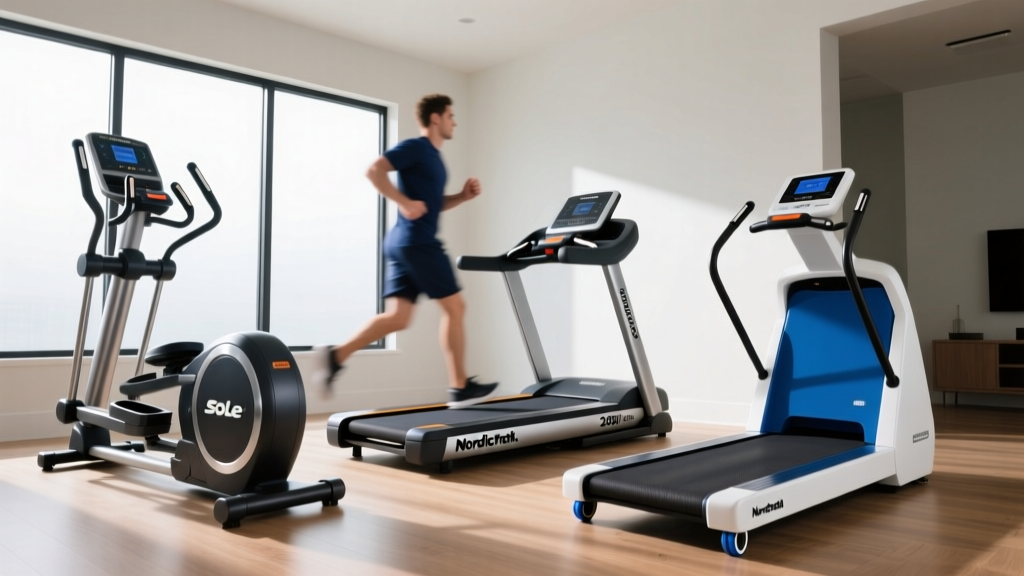
Elliptical vs Treadmill for Home Cardio: The Rise of Skating Treadmills

Stair Climber vs Beginner Treadmill Workout: Home Guide
