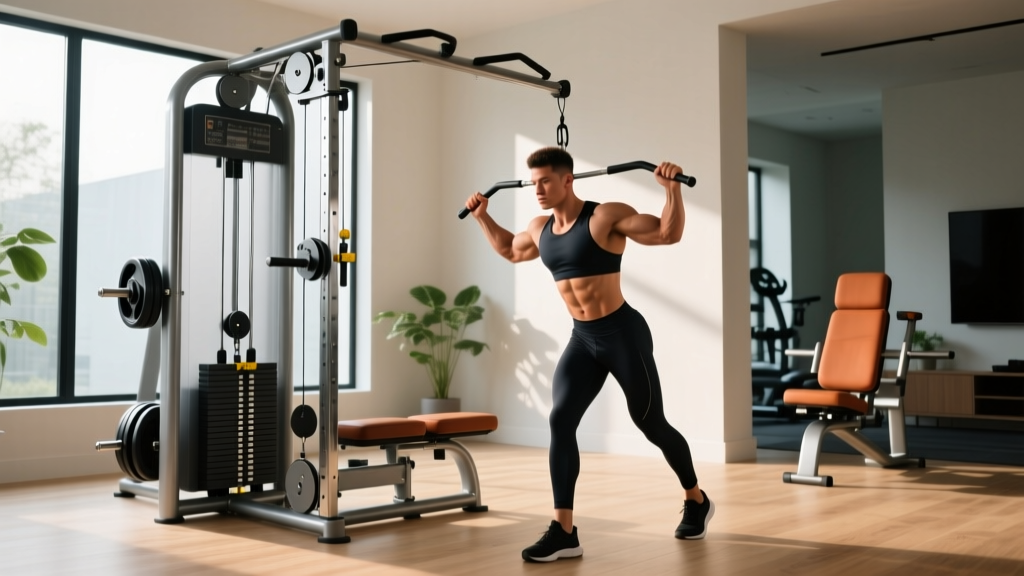
Gym Layouts: Arm Blasters & Chest and Shoulder Press Machine
Optimize your gym layout by pairing arm blasters and curl isolation gear with a chest and shoulder press machine for maximum space efficiency.

The Spatial Economics of Arm Isolation
Designing a high-performance training facility or premium home gym in 2026 requires ruthless spatial efficiency. When lifters invest in heavy, multi-station compound equipment, floor space becomes a premium commodity. A standard commercial-grade chest and shoulder press machine typically demands a footprint of 18 to 22 square feet, plus an additional 3-foot clearance perimeter for safe loading, unloading, and spotter access. Because this massive anchor piece dominates the room, adding dedicated, single-purpose arm isolation machines—such as a standalone preacher curl bench or a seated tricep extension tower—quickly leads to a cluttered, inefficient layout.
The modern solution to this spatial dilemma lies in integrating portable, high-tension curl isolation equipment, specifically ergonomic arm blasters and compact cable attachments, directly into the workflow of your primary press station. By rethinking how we approach bicep and tricep isolation, facility designers and home gym owners can reclaim valuable square footage without sacrificing biomechanical strictness or hypertrophic stimulus.
Clearance Matrix: Press Stations vs. Portable Gear
To understand why portable isolation gear is revolutionizing gym layouts, we must compare the spatial economics of traditional machines versus wearable isolation tools. A dedicated preacher curl bench requires roughly 6.5 square feet of static floor space, but its awkward geometry makes it nearly impossible to store upright or stack. In contrast, an arm blaster requires less than 1 square foot of active operational space and can be hung on a standard 2x2 or 3x3 power rack upright using a simple wall hook when not in use.
| Equipment Type | Static Footprint | Required Clearance | Storage Profile | Estimated 2026 Cost |
|---|---|---|---|---|
| Dual-Station Chest and Shoulder Press Machine | 18.5 - 22.0 sq ft | 36-inch perimeter | Fixed / Immobile | $2,400 - $4,500 |
| Standard Preacher Curl Bench | 6.2 sq ft | 24-inch perimeter | Awkward / Floor-bound | $180 - $350 |
| Ergonomic Arm Blaster | 0.8 sq ft (active) | 12-inch perimeter | Wall or Rack Hook | $28 - $65 |
| Compact Tricep Rope Attachment | 0.1 sq ft | N/A (Stored on hook) | Pegboard / Rack | $15 - $30 |
By eliminating the preacher bench, facility designers can reclaim up to 12 square feet of usable floor plan—space that can be reallocated for functional turf, kettlebell storage, or additional plate trees.
Elite Arm Blasters for Compact Layouts
Not all arm blasters are created equal, especially when subjected to the high-volume, heavy-load demands of a serious training environment. When selecting an arm blaster to complement your chest and shoulder press machine, you must prioritize rigidity, strap durability, and padding density. Here is a breakdown of the top-tier models dominating the 2026 market.
Rogue Fitness Aluminum Arm Blaster ($65)
Machined from aircraft-grade aluminum, the Rogue blaster is the gold standard for commercial drop-zones. Weighing just 1.2 lbs, it features a high-density neoprene neck pad that prevents cervical spine bruising during heavy 8-12 rep max sets. Its 15-inch wingspan is optimized to keep the elbows pinned to the lats, completely neutralizing shoulder flexion. For layout purposes, its sleek profile allows it to hang flush against a rack upright, protruding only 2 inches into the walkway.
Gymreapers Heavy-Duty Steel Blaster ($39)
For home gym owners on a budget who still demand rigidity, the Gymreapers steel model offers exceptional value. The powder-coated steel frame resists bending even when curling 60lb dumbbells per hand. It utilizes a heavy-duty nylon adjustable strap with a quick-release buckle, allowing multiple users in a shared facility to adjust the height in under three seconds—a critical feature for maintaining workout density in a busy gym layout.
Yes4All Padded EVA Blaster ($28)
The Yes4All model is an entry-level option featuring thick EVA foam padding across the abdominal brace. While excellent for comfort, the foam compresses over time, slightly altering the isolation angle after 12-18 months of heavy use. It is best suited for light-to-moderate home setups where the chest and shoulder press machine is used primarily for hypertrophy rather than maximal strength loading.
Biomechanical Synergy and Joint Alignment
Transitioning from a heavy, stabilized compound movement like the chest and shoulder press machine to a strict isolation movement requires careful attention to joint mechanics. According to biomechanical analyses documented by the ExRx.net Exercise Directory, maintaining a neutral shoulder girdle during bicep curls is paramount for targeting the short head of the biceps brachii while minimizing anterior deltoid recruitment.
When a lifter fatigues during heavy curls, the natural tendency is to swing the elbows forward, utilizing momentum and shoulder flexion to complete the rep. An arm blaster physically blocks this compensatory movement. The National Strength and Conditioning Association (NSCA) emphasizes that strict isolation not only improves targeted muscle fiber recruitment but also reduces shear stress on the distal biceps tendon, which is often aggravated by improper swinging mechanics.
Integrating an arm blaster immediately following heavy pressing movements capitalizes on the pre-stretched state of the anterior deltoids, forcing the biceps to handle the entirety of the load without mechanical assistance from the shoulder joint.
Cable Attachment Synergies for Tricep Isolation
A well-designed layout does not stop at bicep isolation. Most modern chest and shoulder press machines are integrated into functional trainers or feature a lat-pulldown tower. This vertical cable column is the ultimate space-saving tricep isolation station. By storing a set of specialized attachments directly on the machine's pegboard, lifters can execute a complete arm workout without moving more than three feet from the press seat.
- Tricep Rope (24-inch): Essential for achieving peak contraction and lateral flaring at the bottom of the movement. Store on a 1-inch hook on the machine's weight stack guard.
- V-Bar Attachment: Allows for heavier, wrist-neutral tricep pushdowns that synergize perfectly with the pressing mechanics of the shoulder station.
- Single-D-Handle: Ideal for unilateral cable curls, allowing the lifter to stagger their stance and achieve a deep stretch at the bottom of the movement without the spatial requirements of a dumbbell rack.
Common Layout Failure Modes and Edge Cases
Many gym owners make the mistake of placing the arm isolation drop-zone too far from the primary compound stations. In a 2026 commercial layout, maintaining intramuscular temperature and blood volume is critical for hypertrophy. If a lifter has to walk more than 15 feet to transition from heavy shoulder presses to strict bicep blaster curls, capillary engorgement drops significantly, reducing the efficacy of the pump.
Furthermore, failing to install dedicated storage hooks directly on the press machine's lat tower or adjacent rack upright leads to the arm blaster being left on the floor. This is not only a massive tripping hazard but also a violation of commercial gym safety codes. Always install heavy-duty carabiner hooks at a height of 60 inches on the nearest vertical post to ensure the blaster is stored vertically immediately after the set concludes.
Workflow Optimization: The 90-Second Transition
To maximize the efficiency of your space, establish a dedicated 2x4 foot rubber-matted drop-zone adjacent to the chest and shoulder press machine. This zone should be free of benches, dumbbell racks, or plate storage. The American Council on Exercise (ACE) frequently highlights the importance of seamless workout transitions for maintaining elevated heart rates and metabolic demand during hypertrophy-focused sessions.
Step-by-Step Drop-Zone Setup
- Positioning: Place the drop-zone exactly 4 feet from the press seat. This allows the lifter to stand up, grab their dumbbells from a nearby tiered rack, and step into the zone without breaking their mental focus.
- Anchor Point: Install a stainless steel wall hook on the adjacent wall or rack upright at chest height (48 inches from the floor) for instant arm blaster retrieval.
- Dumbbell Staging: Keep only the 2-3 pairs of dumbbells required for your curl working sets on a compact, 2-tier rolling rack that can be pushed flush against the wall when the press machine is in use.
By treating your chest and shoulder press machine not just as a compound station, but as the central hub for a highly organized, portable isolation ecosystem, you can achieve elite-level arm development in a fraction of the square footage traditionally required.
More gear to consider
All reviews
Preacher Bench Setup: Planet Fitness Biceps Curl Machine vs Home Gear

Preacher Bench Setup for the Perfect Biceps Curl Machine Workout
Tricep Pushdown Guide: Building Mass Beyond the Seated Biceps Curl Machine

Beyond the Selectorized Bicep Curl Machine: Forearm & Grip Guide

How to Use Biceps Curl Machine vs Cable Attachments: Value Guide