Jump Rope Types: Speed, Beaded, Weighted & Yoga Mat PNG
Compare speed, weighted, and beaded jump ropes for 2026. Plus, learn how fitness coaches use a yoga mat PNG to map digital footwork guides.

The Biomechanics of Jump Rope Selection
Choosing the right jump rope is not a one-size-fits-all endeavor. The physics of rope rotation, handle ergonomics, and cable weight distribution drastically alter the biomechanical load on your rotator cuff, forearms, and calf complex. In 2026, the market has segmented into three primary categories: speed, beaded, and weighted ropes. Understanding the exact specifications of each is critical for avoiding injury and maximizing cardiovascular output. Whether you are training for double-unders, boxing conditioning, or creating digital coaching content, selecting the correct tool is your first step.
Speed Ropes: Aerodynamics and Double-Under Mastery
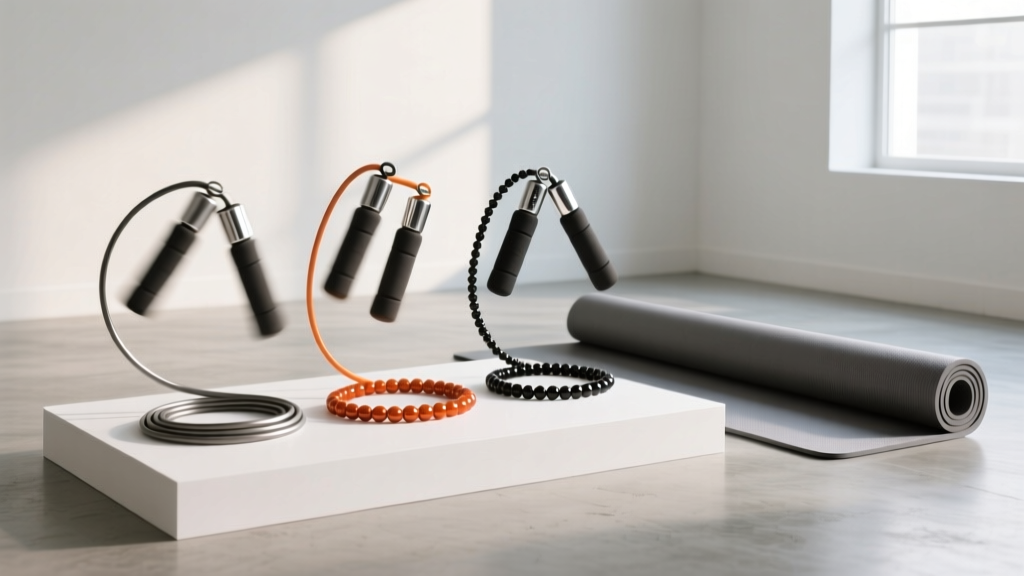
Speed ropes are engineered for minimal air resistance and maximum RPM (rotations per minute). They are the undisputed choice for CrossFit athletes, boxers, and anyone attempting double-unders or triple-unders.
Cable Specifications and Handle Mechanics
The industry standard for elite speed ropes features a 2.5mm bare steel cable or a 4mm PVC-coated wire. The RX Smart Gear EVO G2 (retailing around $54.99) utilizes a patented swivel-axis connection point that allows the cable to rotate freely on multiple planes, reducing wrist torque.
Warning: Surface DegradationBare steel cables will fray and snap within 3 to 5 hours of use on concrete or asphalt. If you train outdoors, you must use a PVC-coated cable or a dedicated jump rope mat to preserve the structural integrity of the wire.
- Ideal User: Advanced athletes, CrossFitters, boxers.
- Primary Load: Fast-twitch forearm flexors, calf elasticity, ankle stiffness.
- Price Range: $25 - $75.
Beaded Ropes: Acoustic Feedback and Spatial Awareness
Beaded ropes consist of a lightweight nylon cord threaded with hollow polyurethane or PVC beads. They are highly recommended for beginners, freestyle jumpers, and school physical education programs.
The Physics of Acoustic Feedback
The primary advantage of a beaded rope is spatial awareness. As the beads strike the floor, they create a distinct 'click' sound. This auditory feedback loop allows the jumper to time their load phase (the upward explosion) perfectly with the rope's apex. Furthermore, the weight of the beads (typically 1.25-inch segments) provides enough drag to prevent the rope from tangling in windy outdoor conditions—a common failure mode for ultra-light speed ropes.
Brands like Buddy Lee Jump Rope Designs have perfected the beaded aerodynamic profile, offering ropes that allow for complex freestyle crosses and side-swings without the cable kinking.
'The beaded rope is the ultimate teaching tool. It forces the athlete to respect the timing of the bounce and provides immediate tactile feedback when the rotation breaks down.' - Elite Jump Rope Coaching Manual
Weighted Ropes: Resistance Training and Shoulder Endurance
Weighted ropes shift the training stimulus from pure cardiovascular conditioning to muscular endurance and upper-body power. The weight is typically distributed either in the handles or woven directly into a heavy PVC or braided steel cable.
Biomechanical Load and Grip Fatigue
The Crossrope Get Lean Set (approximately $139) utilizes a fast-clip system allowing users to swap between a 1/4 lb and 1/2 lb braided steel cable. Swinging a 1/2 lb rope at 100 RPM generates significant centrifugal force, demanding intense isometric contraction from the deltoids, latissimus dorsi, and grip musculature.
Edge Case: Bearing BlowoutsWhen using ropes heavier than 1 lb, the centrifugal force can cause cheap handle bearings to seize or blow out due to sweat corrosion and lateral torque. Always opt for weighted ropes with sealed, marine-grade stainless steel bearings if you plan to train heavily in humid environments.
2026 Jump Rope Comparison Matrix
| Rope Category | Optimal Spec / Weight | Primary Biomechanical Load | Ideal Surface | 2026 Avg Price |
|---|---|---|---|---|
| Speed (Bare Steel) | 2.5mm wire, 5oz handles | CNS speed, fast-twitch calves | Indoor wood, rubber mat | $45 - $65 |
| Speed (PVC Coated) | 4mm coated wire | Timing, double-unders | Indoor/Outdoor (with mat) | $20 - $40 |
| Beaded | 1.25-inch PU beads | Spatial awareness, rhythm | Any surface (beads protect cord) | $15 - $35 |
| Weighted (Light) | 1/4 lb braided cable | Shoulder endurance, core | Indoor, rubber flooring | $60 - $80 |
| Weighted (Heavy) | 1 lb - 2 lb cable | Grip strength, power output | Indoor, high-density foam | $90 - $150 |
Digital Coaching: Mapping Footwork Using a Yoga Mat PNG
For online fitness coaches, app developers, and content creators, teaching complex jump rope footwork (such as the boxer skip, the EB jump, or 180-degree turns) requires crystal-clear visual aids. In 2026, the industry standard for creating these digital overlays is utilizing a high-resolution, transparent yoga mat png as your base canvas in design software like Adobe Illustrator, Photoshop, or Canva.
Why Use a Yoga Mat PNG for Footwork Diagrams?
When creating digital workout binders or Instagram carousel tutorials, using a photograph of a real gym floor introduces visual noise, shadows, and perspective distortion. By importing a top-down, transparent yoga mat png, coaches can create a clean, standardized 'strike zone'.
- Establish the Canvas: Drop your yoga mat png onto a solid contrasting background (e.g., dark slate or navy blue).
- Map the Footwork Zones: Use vector lines to draw the exact placement of the left and right feet during the 'load' and 'flight' phases of a double-under.
- Add Rope Clearance Vectors: Draw semi-circles representing the 4mm cable path to show clients exactly how much vertical clearance is required, preventing them from jumping too high (a common beginner error that wastes energy).
- Export for Clients: Save the final composition as a scalable PDF or high-res JPEG to include in your digital programming apps.
This method ensures your clients receive professional, easily digestible footwork maps that isolate the biomechanics of the jump without environmental distractions.
Real-World Failure Modes and Maintenance
Even premium jump ropes are subject to mechanical failure if not maintained. Here are the most common edge cases and how to troubleshoot them:
- PVC Kinking in Cold Weather: PVC-coated speed ropes become brittle and prone to permanent kinking when stored in temperatures below 40°F (4°C). Always store your ropes coiled in a climate-controlled environment.
- Bead Shattering: Standard hollow PVC beads will crack and shatter when used on rough asphalt in freezing temperatures. If you train outdoors in winter, upgrade to solid polyurethane beads.
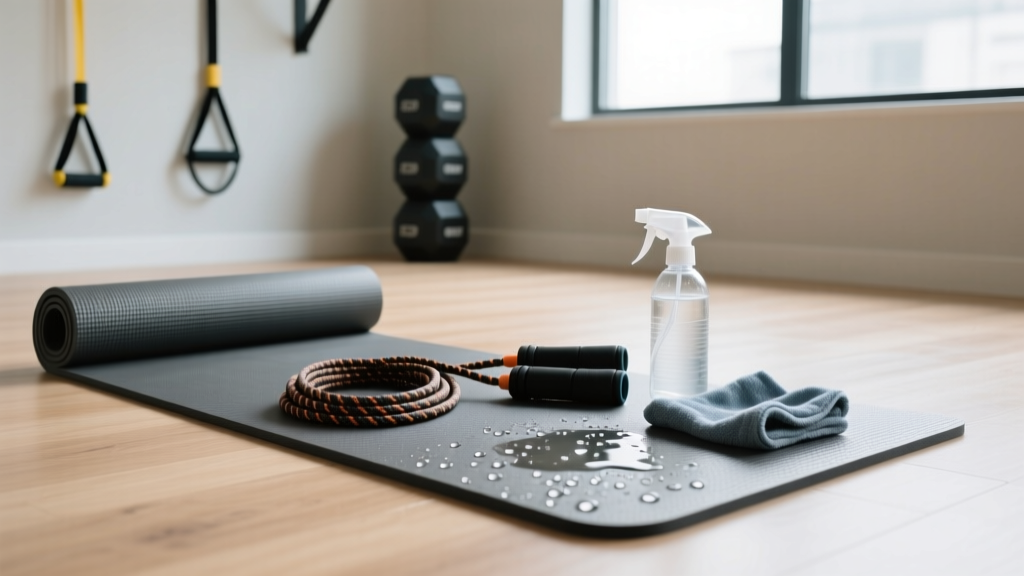
- Handle Seizure: Sweat contains high levels of sodium and urea, which will rapidly corrode unsealed ball bearings. Wipe down your handle connection points with a dry microfiber cloth after every session and apply a single drop of PTFE-based lubricant monthly.
Frequently Asked Questions
How do I size a jump rope correctly for double-unders?
Stand on the center of the cable with one foot. Pull the handles upward. For beginners, the tips of the handles should reach your armpit. For advanced double-under efficiency, the handles should only reach the bottom of your rib cage, minimizing the rope's arc and increasing rotation speed.
Can I use a weighted rope for HIIT cardio?
Yes, but with caution. Heavy ropes (1 lb+) elevate the heart rate rapidly due to the upper-body muscular demand. However, they degrade form quickly. For HIIT, alternate between a 1/4 lb rope for high-speed intervals and a speed rope for active recovery.
Do I need a jump rope mat?
If you train on concrete, asphalt, or rough stone, a jump rope mat is mandatory. It preserves the lifespan of your PVC or steel cable, dampens the acoustic impact, and provides a slight ergonomic return to reduce shin splints and Achilles strain.
More gear to consider
All reviews
BOSU vs Stability Ball: Space Layouts & Gaiam Essentials Yoga Mat

Outgrown Your Barbie Yoga Mat? 2026 Foam Roller Density & Size Guide
How to Clean a Rubber Yoga Mat & Set Up Jump Ropes

Budget Guide: Jade Harmony Professional Yoga Mat & Ball Sizing

Does Planet Fitness Have Yoga Mats? Setup & Mat Comparison Guide