
2026 Yoga Block & Strap Guide: Top Picks & How to Clean Yoga Mats
Discover the best yoga blocks and straps for 2026 with our hands-on review, plus expert steps on how to clean yoga mats and props for lasting hygiene.

The Foundation of Your Practice: Why Props Matter in 2026
As we move through 2026, the conversation around yoga props has shifted dramatically. No longer viewed merely as beginner crutches, high-quality yoga blocks and straps are now recognized by biomechanics experts and senior instructors as essential tools for joint longevity, deeper fascial release, and precise alignment. At FitGearPulse, we’ve spent the last three months stress-testing over 40 different blocks and straps in both heated Vinyasa and slow Yin environments to bring you this definitive, hands-on buyer's guide.
But buying the right gear is only half the battle. Maintaining your equipment—specifically knowing how to clean yoga mats, blocks, and straps without degrading their materials—is critical for both hygiene and product lifespan. Below, we break down our top picks for the year, followed by a deep-dive material science guide on cleaning and maintaining your entire yoga kit.
Hands-On Review: Top Yoga Blocks for Every Practitioner
The market is flooded with cheap, low-density foam that compresses and fails within six months. We evaluated blocks based on Shore hardness (density), edge beveling, grip under sweat, and material sustainability.
1. Best Overall Cork Block: Manduka Recycled Yoga Block
- Price: $24.00
- Dimensions: 4" x 6" x 9"
- Weight: 2.0 lbs
- Material: 100% Recycled Cork
Our Take: Cork remains the gold standard for advanced practitioners. The Manduka Recycled block offers a firm, unyielding surface that doesn't compress during weight-bearing poses like Ardha Chandrasana (Half Moon). The natural suberin in cork provides antimicrobial properties and a surprisingly grippy texture even when your hands are sweating. Failure Mode: Cork is brittle. If you drop it on a concrete floor or tile, the corners will chip. Keep it on wood or mat surfaces.
2. Best High-Density EVA Foam: Gaiam Yoga Block
- Price: $11.98
- Dimensions: 4" x 6" x 9"
- Weight: 4.6 oz
- Material: High-Density Ethylene-Vinyl Acetate (EVA)
Our Take: For travelers and those who practice restorative yoga, the Gaiam EVA foam block is unbeatable. Weighing less than a third of a pound, it won't add bulk to your carry-on. The high-density formulation (approx. 55 kg/m³) resists the 'compression set' that plagues cheaper foam blocks, meaning it bounces back to its original shape after prolonged use in Supta Virasana. The beveled edges are deeply contoured, making it comfortable to rest your spine on during chest openers.
3. Best Premium Hybrid: Hugger Mugger Bamboo Core Block
- Price: $28.50
- Dimensions: 4" x 6" x 9"
- Weight: 1.2 lbs
Our Take: This block features a solid bamboo core wrapped in a high-density foam exterior. It offers the structural rigidity of wood with the forgiving, grippy surface of foam. It’s an excellent choice for Iyengar practitioners who need absolute stability for balancing poses but dislike the hard, unforgiving nature of raw wood or cork.
Expert Insight: The Density Trade-OffWhen shopping for foam blocks in 2026, ignore the word 'firm' on the label and look for the material composition. Standard EVA foam will indent under the weight of an adult's torso. Always seek out 'high-density' or 'cross-linked' EVA, which distributes weight evenly and prevents the block from sliding out from under you during active standing poses.
Yoga Straps: Finding the Right Length and Buckle
A yoga strap acts as an extension of your arms, allowing you to maintain a neutral spine in hamstring stretches or bind safely in shoulder openers. The two main variables are length and buckle hardware.
Strap Length Matrix: Which Size Do You Need?
| Length | Best For | Use Case Example |
|---|---|---|
| 6 Feet | Petite practitioners (< 5'4") or specific arm bindings. | Gomukhasana (Cow Face Pose) arm binds. |
| 8 Feet | The universal standard; fits 90% of adult bodies. | Supta Padangusthasana (Reclining Hand-to-Big-Toe). |
| 10 Feet | Tall practitioners (> 6'0") or limited flexibility. | Seated forward folds with severe hamstring tightness. |
Top Pick: Hugger Mugger 8ft Cotton Yoga Strap with D-Ring
Price: $14.95 | Material: 100% Unbleached Cotton
We strongly prefer traditional metal D-ring buckles over modern plastic cinch or quick-release buckles. Under high tensile loads—such as pulling your foot toward your glutes in Natarajasana (Dancer's Pose)—plastic cinch buckles frequently slip or crack. The Hugger Mugger cotton strap features heavy-duty nickel-plated D-rings that lock the cotton webbing securely in place. Furthermore, 100% cotton provides a tactile, non-slip grip that nylon straps simply cannot match when your hands are chalky or sweaty.
Gear Maintenance: How to Clean Yoga Mats, Blocks, and Straps
Knowing how to clean yoga mats and accessories is not just about eliminating odors; it's about preserving the chemical integrity of the polymers and natural fibers you've invested in. According to hygiene analyses published by Healthline, uncleaned mats can harbor staphylococcus, fungus, and acne-causing bacteria. However, using the wrong cleaning agents can destroy your gear.
The Material Science of Mat Cleaning
Different mat materials react differently to surfactants and essential oils. Here is your definitive guide to cleaning based on your mat's composition:
- Closed-Cell PVC (e.g., Manduka PRO): PVC is non-porous. Sweat sits on the surface. How to clean: Use a dedicated surfactant cleaner (like Manduka All-Purpose Mat Wash) or a 50/50 mix of water and white vinegar. Never use essential oils; they leave a slippery lipid residue on closed-cell surfaces that ruins your grip.
- Open-Cell Natural Rubber (e.g., JadeYoga, Manduka eKO): Rubber is highly porous and absorbs sweat. How to clean: Wipe down with a damp cloth and a very mild, oil-free dish soap diluted in water. Warning: Tea tree oil, lavender, and citrus oils will break down the polymer chains in natural rubber, causing it to dry rot, flake, and disintegrate prematurely.
- TPE (Thermoplastic Elastomer): A middle-ground eco-material. How to clean: Mild soap and water. Avoid harsh chemical disinfectants like Lysol or bleach, which will cause TPE to warp and lose its structural memory.
"The biggest mistake we see in studios is the use of essential oil sprays on natural rubber mats. It smells great for five minutes, but it accelerates the oxidation process of the rubber, cutting the mat's lifespan in half." — FitGearPulse Materials Testing Team
Step-by-Step: The Weekly Deep Clean Routine
For a thorough weekly reset of your entire kit, follow this protocol:
- Step 1 (The Mat): Lay your mat flat. Spray your chosen, material-safe cleaner generously. Let it sit for 3 minutes to break down sebum and dead skin cells. Wipe vigorously with a microfiber cloth in circular motions. Hang to air dry out of direct UV sunlight (UV rays degrade rubber and TPE).
- Step 2 (The Blocks): For cork blocks, Manduka's official care guidelines recommend using a slightly damp cloth with a drop of mild soap. Wipe the cork gently and let it dry completely to prevent mold spores from taking root in the natural pores. For EVA foam, a simple wipe with a disinfecting wipe (alcohol-free) is sufficient.
- Step 3 (The Straps): Cotton straps absorb a massive amount of hand sweat and oils. Once a month, place your cotton straps in a mesh laundry bag and run them through a cold-water wash cycle with a gentle, fragrance-free detergent. Air dry only. Putting cotton straps with metal D-rings in the dryer will warp the hardware and shrink the webbing, altering the tensile strength.
Expert Verdict & Final Recommendations
Building a resilient, supportive yoga kit in 2026 requires looking past marketing buzzwords and focusing on material density, hardware durability, and proper maintenance. For blocks, the Manduka Recycled Cork remains our top pick for its unmatched stability and natural grip, while the Gaiam EVA Foam is the clear winner for travel and restorative work. When it comes to straps, abandon the plastic cinch buckles and invest in an 8-foot 100% cotton strap with metal D-rings for lifelong durability.
Finally, mastering how to clean yoga mats, blocks, and straps based on their specific material chemistry will ensure your gear supports your practice safely and effectively for years to come. Treat your props with the same respect you bring to your mat, and they will return the favor in every pose.
More gear to consider
All reviews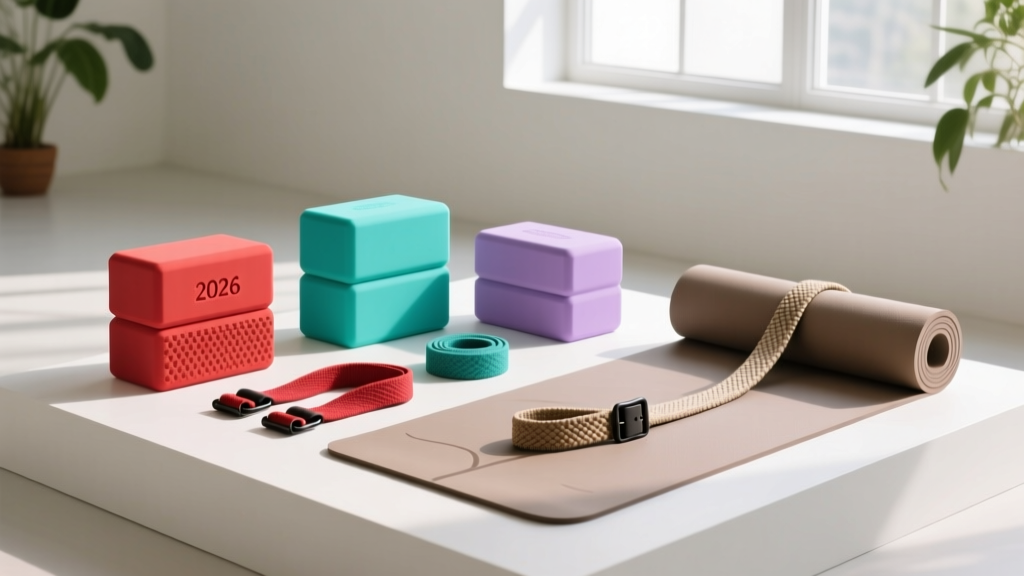
Beyond the Take Form Yoga Mat: 2026 Block and Strap Buying Guide
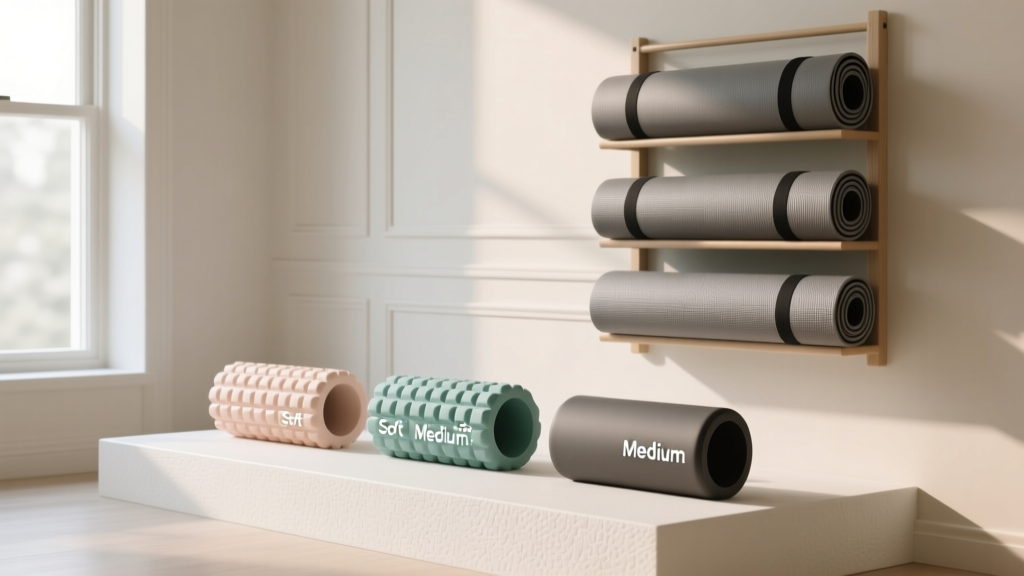
Foam Roller Density Guide & Wall Mounted Yoga Mat Rack Storage
Loop Band vs Tube Band & Lululemon Take Form Yoga Mat Budget

Yoga Block and Strap Buying Guide: Budgeting & Floral Yoga Mat Value

Anna McNulty Yoga Mat & Pilates Accessories: Budget Breakdown
