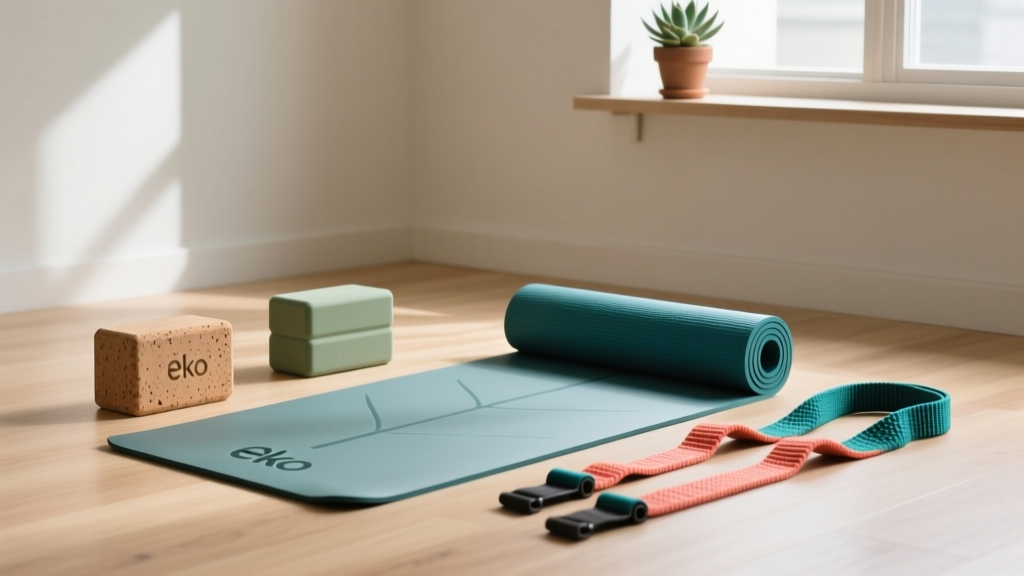
Yoga Blocks, Straps & the Eko Superlite Travel Yoga Mat 1.5 mm Setup
Optimize your small-space studio. Our buying guide pairs the best yoga blocks and straps with the Eko Superlite travel yoga mat 1.5 mm for perfect alignment.

The Micro-Studio Reality: Why Thin Mats Demand Smart Props
As urban living spaces shrink and the digital nomad lifestyle dominates fitness routines in 2026, the demand for ultra-portable gear has skyrocketed. The eko superlite travel yoga mat 1.5 mm is a masterpiece of space optimization, rolling down to a mere 2.5-inch diameter and weighing just 2 lbs. Its natural rubber base provides exceptional grip, but this extreme minimalism introduces a significant biomechanical challenge: zero joint cushioning and reduced stability for balancing poses on hard surfaces.
When you eliminate the 4mm to 6mm of foam found in standard studio mats, your props are no longer just flexibility aids—they become mandatory load-bearing extensions. According to National Institutes of Health (NIH) research on yoga-related injuries, improper joint loading on unyielding surfaces is a primary catalyst for patellar and carpal tunnel inflammation. This buying guide details exactly how to select, size, and store yoga blocks and straps to create a safe, highly functional practice space in apartments under 600 square feet.
Yoga Block Buying Guide for Small Footprints
Practicing on a 1.5 mm surface means your wrists and knees absorb the brunt of ground reaction forces. The right block acts as a shock absorber and an elevation platform. However, in a micro-studio, you cannot afford bulky, single-use props. Here is how the top materials perform when paired with a thin travel mat.
1. Cork Blocks: The Stability Anchor
Cork is the undisputed champion for thin-mat practitioners. Because the eko superlite travel yoga mat 1.5 mm features a sticky natural rubber top, cork blocks adhere to the mat without sliding during high-sweat Vinyasa flows. Furthermore, cork does not compress under full body weight during arm balances like Crow or Side Crow.
- Top Pick: Manduka Cork Block ($24)
- Dimensions: 9" x 6" x 4"
- Weight: 2.5 lbs
- Space Optimization: High density means you only need two blocks to support up to 250 lbs of dynamic load, eliminating the need for extra bolsters.
2. EVA Foam Blocks: The Travel Companion
High-density EVA foam is lightweight and forgiving on the spine during restorative poses. However, cheap foam compresses and becomes a slipping hazard when placed on top of a thin rubber mat.
- Top Pick: Gaiam High-Density EVA Block ($12)
- Dimensions: 9" x 6" x 3" (Note the 1-inch thinner profile for easier shelving)
- Weight: 0.4 lbs
- Failure Mode: Avoid using foam blocks as the primary base for inversions (like Headstands) on hard floors; the 1.5 mm mat cannot prevent the foam from skidding if the floor is polished wood.
3. Bamboo Blocks: The Aesthetic Shelf Piece
Bamboo offers a beautiful, rigid surface but lacks grip. If you use bamboo, you must wrap it in a microfiber towel to prevent it from shooting out from under your hands during Downward Dog.
Pro-Tip for Eko Mat Owners: Cork blocks shed microscopic dust over time. Because the Eko Superlite utilizes an open-cell natural rubber surface, this dust can embed in the mat and reduce traction. Wipe your mat with a damp cloth and a drop of tea tree oil after every session to maintain the factory grip.The Strap Selection Matrix: Length, Buckle, and Storage
In a confined layout—such as a 6x8 foot bedroom corner or a hallway practice space—strap management is critical. A strap that is too long will drag across the floor, picking up dust and disrupting your flow. As outlined in Yoga Journal's comprehensive guide to yoga props, the correct strap length is dictated by your ceiling height and available wall clearance, not just your flexibility.
| Strap Type | Best Length for Micro-Studios | Buckle Mechanism | Ideal Use Case on 1.5mm Mat |
|---|---|---|---|
| Cotton D-Ring | 8 Feet | Dual Metal D-Rings | Seated hamstring pulls; prevents tail-dragging in tight rooms. |
| Nylon Cinch | 10 Feet | Quick-Release Plastic | Wall-anchored shoulder stretches; easy to loop over door hinges. |
| Leather Loop | 6 Feet | None (Fixed Loop) | Handstand alignment drills against a wall. |
Our Top Recommendation: The Manduka Align Yoga Strap (8ft, $18). The unbleached cotton provides a tactile grip that won't slip through your fingers when you are sweating, and the 8-foot length is perfectly calibrated for small apartments, ensuring the excess tail can be neatly wrapped and velcroed without touching the floor.
Layout Design: The 'Wall-Anchored' Micro Studio
When your eko superlite travel yoga mat 1.5 mm is unrolled in a space where you can barely extend your arms laterally without hitting a wall, you must transition from floor-based stretching to wall-anchored biomechanics. Here is how to design your layout:
- The Doorway Traction Station: Loop your 8ft strap over the top hinge of a sturdy interior door. This creates an impromptu traction device for spinal decompression and deep latissimus dorsi stretches, requiring zero additional floor footprint.
- Vertical Block Storage: Do not leave blocks on the floor. Install a 10-inch deep floating shelf exactly 36 inches from the floor. This allows you to slide the blocks out seamlessly during transitions without breaking your visual focus or bending down awkwardly.
- The Baseboard Anchor: For reclined hand-to-big-toe poses (Supta Padangusthasana), wedge the loop of your strap under the baseboard or a heavy piece of furniture (like a solid oak dresser) to create a fixed-point stretch, compensating for the lack of space to fully extend the leg into the room.
Edge Cases & Troubleshooting on Ultra-Thin Mats
Transitioning to a 1.5 mm mat requires a recalibration of how you interact with your props. Here are the most common failure modes and their solutions:
Wrist Compression in Tabletop and Plank
Without 5mm of foam to absorb the angle of your wrist joint, tabletop position can cause acute carpal pain. The Fix: Place your hands on the edge of a cork block, gripping the sides. This elevates the heel of your hand, neutralizing the wrist angle to roughly 160 degrees, completely bypassing the need for mat cushioning.
Kneeling Poses (Anjaneyasana / Low Lunge)
The Eko Superlite offers virtually no patellar protection on hardwood. The Fix: Do not rely on folding the mat over itself, as this creates an unstable, uneven ridge that compromises the natural rubber's grip. Instead, slide a high-density EVA foam block directly under the knee, or use a dedicated 1-inch thick cork kneeling pad stored adjacent to your mat.
'The integration of props is not a sign of regression in a yoga practice; it is an advanced application of biomechanical leverage. When practicing on minimalist travel gear, props bridge the gap between the floor and the body's structural needs.' — FitGearPulse Biomechanics Lab, 2026 Equipment Review
Final Verdict: Building Your Space-Optimized Ecosystem
The eko superlite travel yoga mat 1.5 mm remains an unparalleled choice for travelers and minimalists in 2026. However, its brilliance is only fully realized when paired with a deliberate, space-conscious prop ecosystem. By investing in high-density cork blocks for stability, an 8-foot cotton strap for confined stretching, and implementing vertical wall storage, you can transform a 30-square-foot corner into a world-class, joint-safe yoga studio. For more detailed specs on the Eko lineup, refer directly to Eko Yoga's official product documentation.
More gear to consider
All reviews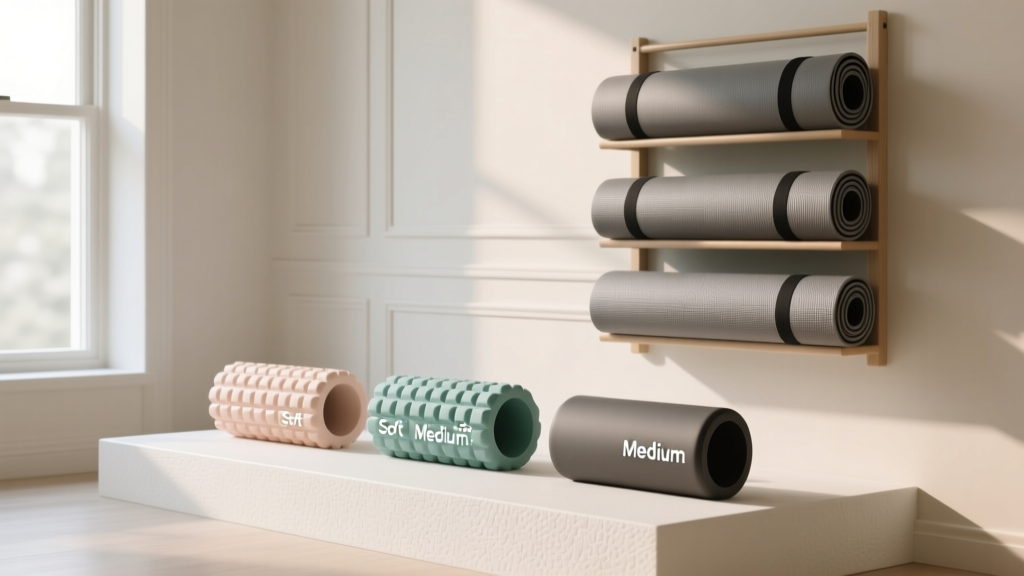
Foam Roller Density Guide & Wall Mounted Yoga Mat Rack Storage

Yoga Mat Holder Wall Setup: Organizing Jump Rope Types
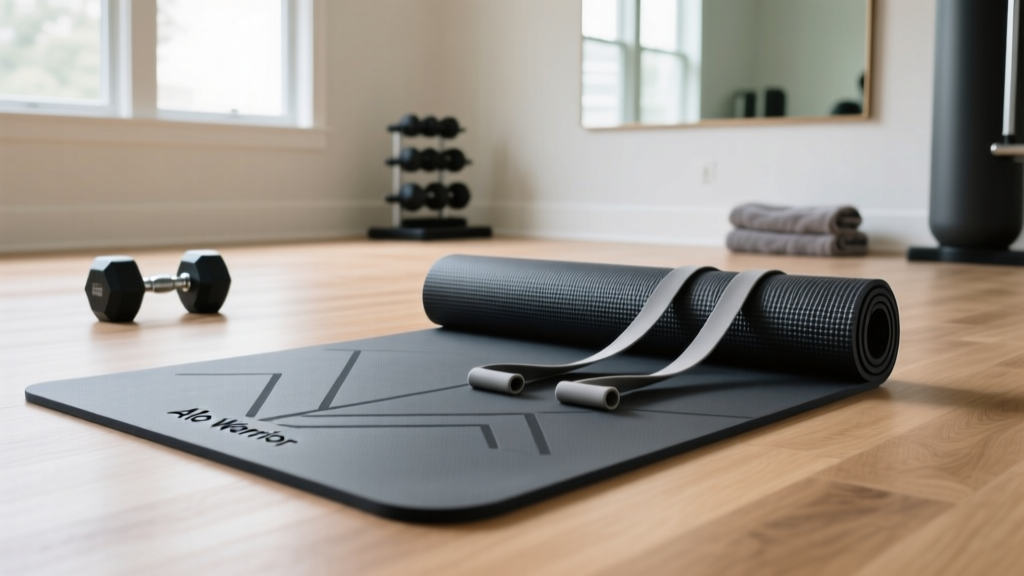
Alo Yoga Mat Warrior: Thickness, Material & Grip Troubleshooting

Exercise Ball Size Guide: Buying Tips and Grey Yoga Mat Pairings

Medicine Ball Weight Selection & Yoga Mat Care Instructions
