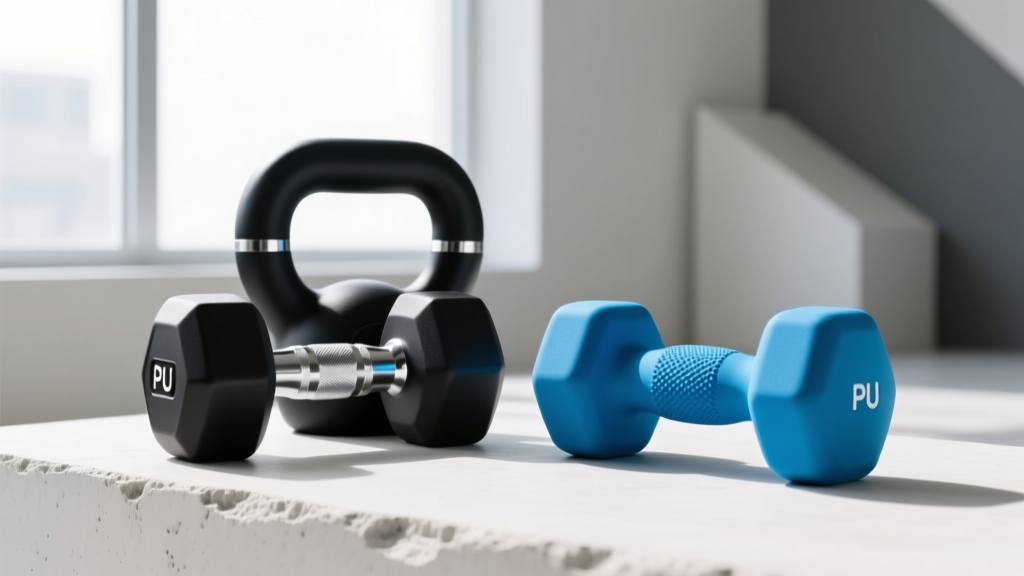
PU Dumbbell Set vs Neoprene: Home Gym Showdown 2026
Compare a premium PU dumbbell set against neoprene coated dumbbells for home use. We break down pricing, durability, and real-world failure modes.

The Great Coating Debate: Polyurethane vs. Neoprene
As home gym enthusiasts continue to refine their setups in 2026, the debate over fixed-weight dumbbell coatings has reached a fever pitch. On one side, we have the commercial-grade feel of a high-quality PU dumbbell set (Polyurethane). On the other, the ubiquitous, budget-friendly neoprene coated dumbbell for home use. While both aim to protect your floors and reduce noise, their material science, longevity, and ergonomic profiles are vastly different.
In this head-to-head comparison, we are putting the popular Yes4All Polyurethane Hex Dumbbell Set against the Amazon Basics Neoprene Coated Hex Dumbbell Set. We will bypass the marketing fluff and dive straight into durometer hardness ratings, real-world failure modes, and exact pricing metrics to help you make an informed decision for your home gym.
Material Science Breakdown: What Are You Actually Lifting?
To understand why these dumbbells behave differently, we must look at their polymer structures. According to material science data referenced by Garage Gym Reviews, the coating dictates the lifespan and maintenance of the iron core.
Polyurethane (PU) Elastomers
Polyurethane is a highly durable, abrasion-resistant polymer. In the context of a PU dumbbell set, the coating is typically poured or injection-molded around a cast-iron core and vulcanized. PU boasts a Shore A hardness rating between 85A and 90A, making it rigid enough to resist tearing but elastic enough to absorb the shock of a dropped weight. It is entirely impervious to sweat, oils, and most household cleaning chemicals.
Neoprene (Polychloroprene) Synthetics
Neoprene is a synthetic rubber known for its soft, tactile grip. A standard neoprene coated dumbbell for home use features a Shore A hardness of roughly 60A to 70A. This softer profile provides an immediate 'grippy' feel straight out of the box, which is highly appealing to beginners. However, neoprene is a porous material at the microscopic level, meaning it absorbs moisture, salts, and oils over time.
Expert Insight: The American Council on Exercise (ACE Fitness) frequently highlights that equipment grip security is paramount for home gym safety. While neoprene feels grippy when dry, its coefficient of friction drops significantly when exposed to heavy sweat, whereas textured PU maintains a consistent grip regardless of moisture.Head-to-Head Comparison Matrix
Below is a direct, data-driven comparison between the top-selling models in both categories as of early 2026. Prices reflect the average cost per pound for a 15 lb to 25 lb pair.
| Feature | Yes4All PU Hex Set | Amazon Basics Neoprene Hex |
|---|---|---|
| Core Material | Solid Cast Iron | Solid Cast Iron |
| Coating Type | Polyurethane (PU) | Neoprene Synthetic Rubber |
| Shore A Hardness | 85A - 90A (Firm) | 60A - 70A (Soft) |
| Avg. Price Per Pound (2026) | $1.85 - $2.20 / lb | $1.25 - $1.50 / lb |
| Handle Diameter | 32mm - 34mm (Contoured) | 36mm - 40mm (Straight) |
| Drop Tolerance (on 3/4" rubber mats) | Up to 75 lbs safely | Up to 35 lbs safely |
| Off-Gassing Odor | Minimal (1-3 days) | Moderate to Heavy (1-2 weeks) |
Deep Dive: Living with a PU Dumbbell Set
Investing in a PU dumbbell set is generally a 'buy once, cry once' scenario. The upfront cost for a full 5-50 lb rack can easily exceed $800, but the return on investment is measured in decades, not years.
The Ergonomic Advantage
One of the most overlooked aspects of high-quality PU dumbbells is the handle design. Because PU is applied via precision molds, manufacturers like Yes4All and Rogue (in their urethane/PU lines) utilize ergonomic, tapered handles that flare slightly at the ends. The 32mm to 34mm diameter mimics an Olympic barbell grip, reducing forearm fatigue during high-rep hypertrophy work like lateral raises or tricep extensions.
Edge Cases and UV Sensitivity
While PU is virtually indestructible regarding moisture, it has one glaring Achilles heel: Ultraviolet (UV) light. If your home gym features large south-facing windows and your dumbbell rack sits in direct sunlight, the PU coating will undergo photo-oxidation. This does not compromise the structural integrity of the weight, but it will cause the coating to yellow and eventually develop a chalky surface texture after 3 to 5 years of continuous UV exposure.
Warning: Never drop a PU dumbbell set directly onto bare concrete or hardwood. While the PU will absorb the shock and protect the iron core from shattering, the extreme localized pressure will cause the polyurethane to micro-fracture and chip. Always use a minimum of 3/8-inch thick horse stall mats or dedicated gym flooring.The Reality of Neoprene Coated Dumbbells for Home Use
The neoprene coated dumbbell for home use remains the undisputed king of budget fitness. A 15 lb pair of Amazon Basics neoprene dumbbells can often be found for under $35, making it an incredibly low barrier to entry for beginners starting their fitness journey.
Grip and Tactile Feedback
Out of the box, neoprene feels fantastic. The soft, matte texture provides excellent friction against dry skin. For lighter isolation movements, overhead presses, or floor-based exercises like renegade rows, the softer 60A durometer provides a comfortable, forgiving grip that doesn't dig into the palms or calluses like bare steel or hard rubber.
The Sweat and Degradation Factor
The primary failure mode of neoprene in a home gym environment is biological degradation. Neoprene is slightly porous. Over months of use, it absorbs sweat, dead skin cells, and natural body oils. If not wiped down with an enzymatic cleaner regularly, the neoprene will begin to harbor bacteria, leading to a persistent sour odor. Furthermore, the salts in sweat accelerate the breakdown of the polychloroprene bonds, causing the coating to become sticky, gummy, and eventually split at the seams.
Real-World Failure Modes: What Actually Breaks?
Based on long-term testing and community teardowns, here is how these two coatings fail in the real world:
- Neoprene Collar Tearing: The most common failure point on a neoprene dumbbell is the junction where the coating meets the steel or chrome handle. Repeated gripping, twisting, and dropping causes the soft neoprene to pull away from the metal collar, creating a jagged tear that exposes the iron core to rust.
- PU Edge Chipping: As mentioned, dropping PU weights on uneven surfaces (like a garage floor with pebbles embedded in the concrete) will cause localized chipping. Unlike rubber, which might bounce, PU is rigid enough that a sharp impact point can sheer off a chunk of the hex head.
- Neoprene Color Bleeding: Budget neoprene dumbbells use surface-level dyes. If you leave a red 10 lb neoprene dumbbell on a light-colored carpet or white vinyl flooring in a hot room, the plasticizers in the dye can migrate and permanently stain the floor.
'When evaluating a neoprene coated dumbbell for home use, always check the seam where the handle meets the weight head. If you can see bare metal or a visible gap in the factory molding, moisture will inevitably breach the core and cause internal rusting, which leads to a mysterious metallic smell in your workout space.' - FitGearPulse Lab Notes, 2026
Maintenance Protocols for Longevity
Regardless of your choice, proper maintenance is non-negotiable in 2026. Here is the exact protocol to maximize the lifespan of your investment:
- For PU Sets: Wipe down with a microfiber cloth dampened with a mild, non-abrasive disinfectant (avoid bleach or ammonia-based cleaners, which degrade polyurethane polymers). Keep out of direct sunlight. Inspect the hex edges monthly for micro-fractures.
- For Neoprene Sets: Wipe down immediately after use with a 50/50 mix of water and white vinegar to neutralize sweat salts and kill odor-causing bacteria. Never stack neoprene dumbbells tightly against each other in a humid environment, as the soft coatings can fuse together over time (a process known as polymer blocking).
Final Verdict: Which Should You Buy?
The choice between a PU dumbbell set and a neoprene coated dumbbell for home use ultimately comes down to your budget, your training intensity, and your long-term fitness goals.
Choose the PU Dumbbell Set if: You are an intermediate to advanced lifter, you perform heavy drop sets, you have a dedicated climate-controlled gym space, and you view your equipment as a 10+ year investment. The superior handle ergonomics and drop tolerance justify the $1.85+ per pound price tag.
Choose the Neoprene Coated Dumbbell if: You are a beginner, you are outfitting a shared family space on a strict budget, your workouts consist primarily of light-to-moderate isolation movements, and you are diligent about wiping down your gear after every single session. At roughly $1.35 per pound, it remains the most accessible entry point into free weight training.
More gear to consider
All reviews
Beyond Arm Workouts with Dumbbells at Home: Barbell Guide

Beyond the One Leg Hip Thrust with Dumbbell: 2026 Kettlebell Market

Amazon Basics Dumbbell Upgrade: Power vs Squat Rack Guide

Bumper vs Iron Plates: Budget & Dumbbell Rear Lateral Raises

Upgrading From a 25 Pound Dumbbells Pair: Adjustable Set Guide
